


More news on this day
Aviation workers at Nairobi’s Jomo Kenyatta International Airport staged a disruptive strike this week, slowing air traffic at Kenya’s main international gateway and leaving thousands of passengers stranded by flight delays and cancellations.
Get the latest news straight to your inbox!
Disruption at one of Africa’s busiest air hubs
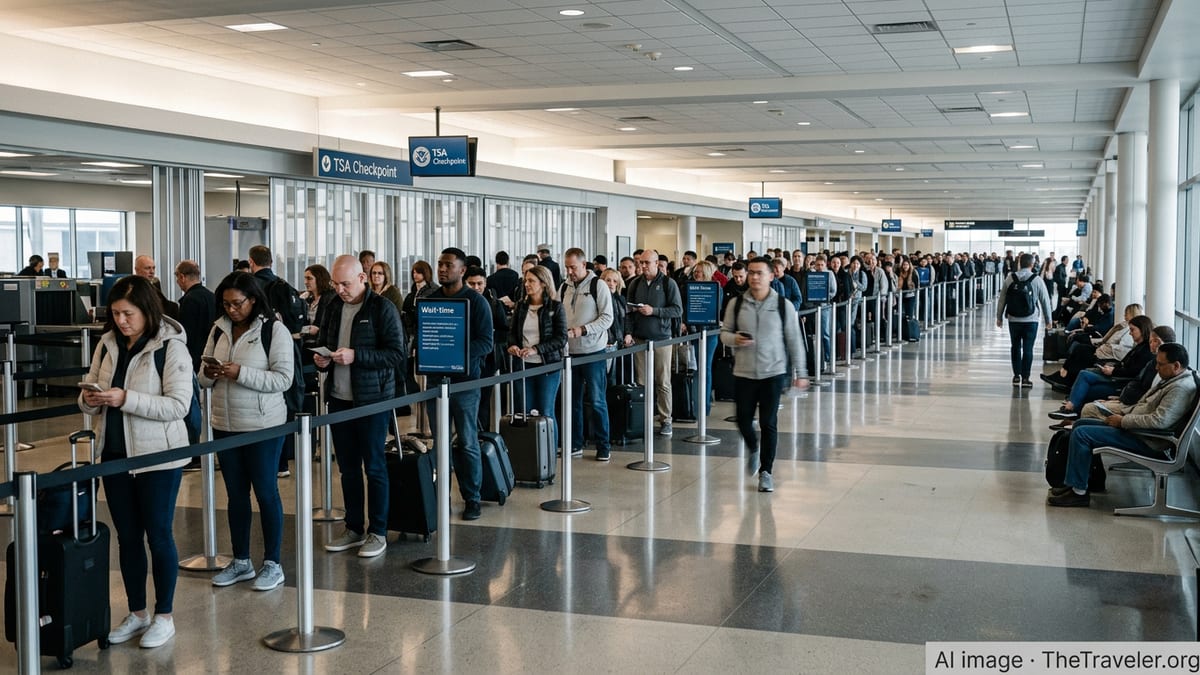
Jomo Kenyatta International Airport (JKIA) in Nairobi, a major hub for East and Central Africa, experienced severe disruption after aviation workers began industrial action on August 30, 2026. Publicly available reports describe long queues, crowded terminals and aircraft stuck on the tarmac as the strike reduced staffing levels across key airport functions.
The action affected both domestic and international operations. Accounts from news outlets indicate that some flights were cancelled outright, while others departed hours behind schedule as airlines struggled to secure slots and services. Passengers on carriers such as Qatar Airways and Ethiopian Airlines were reported to have received revised departure times with little notice, underscoring the uncertainty surrounding the evolving situation.
For many travelers, the impact was immediate and personal. Media coverage showed families camping out in departure halls overnight and business passengers reworking itineraries at the last minute as connections through Nairobi unraveled. With JKIA handling a large share of Kenya’s international passenger and cargo traffic, the disruption quickly rippled beyond the capital to routes across the region.
Workers’ grievances and the role of the aviation union
The strike was organized by the Kenya Aviation Workers Union, which represents employees across the country’s airports and aviation authorities. According to union statements highlighted in local coverage, the dispute centers on unresolved salary demands, stalled collective bargaining agreements and long-running concerns over management practices at key agencies.
Reports indicate that negotiations for a new collective bargaining agreement have been delayed through several bargaining cycles, leaving workers frustrated over pay progression and benefits. The union has also raised issues related to staffing levels, overtime and what it describes as inadequate consultation on operational changes affecting airport employees.
Industrial tensions in Kenya’s aviation sector have been building for months. Earlier notices from the union signaled possible strike action if talks did not advance, and previous disruptions in February 2026 and in 2024 were similarly linked to disputes over working conditions and contested plans for airport management and investment. The latest walkout reflects a broader pattern of labor unrest in critical infrastructure services.
Stranded passengers and cascading travel delays
As the strike entered its second day, images from Nairobi showed passengers sitting on floors and benches, some with luggage stacked nearby as they waited for updates. International news agencies described travelers being told to remain at the airport without clear information on revised departure times, while others were advised to contact airlines before heading to JKIA at all.
The impact extended beyond Nairobi. Reports from regional airports, including Mombasa’s Moi International Airport and facilities in Kisumu and Eldoret, pointed to delays and cancellations as ground handling, security checks and air traffic services slowed. Because JKIA is a central transfer point for many routes in East Africa, missed connections in Nairobi translated into further cancellations across the network.
Travelers faced additional costs as hotel stays, missed tours and rescheduled tickets accumulated. Travel advisories from airlines urged passengers to monitor digital channels closely and allowed for rebooking where possible, but capacity constraints limited options on already busy regional routes at the tail end of the peak travel season.
Negotiations ease the crisis but questions remain
After two days of disruptions, aviation workers were instructed to return to their posts following overnight negotiations involving government representatives, aviation agencies and union leaders. According to published coverage, a return-to-work agreement was reached on September 1, paving the way for the gradual restoration of normal flight schedules.
Kenyan media report that once operations began to stabilize, airports across the country collectively handled more than 200 flights in a single day, a sign that airlines were working through a substantial backlog. However, passengers whose journeys were cancelled rather than delayed may still face challenges rebooking during a busy travel period, especially on long-haul services with limited daily frequencies.
The underlying issues driving the strike are not fully resolved. Analyses from regional outlets suggest that detailed negotiations over pay, staffing and future reforms at aviation agencies will continue in the coming weeks. Labor disputes in the sector have previously resurfaced when interim agreements did not translate into lasting structural changes, raising questions about the risk of renewed disruption.
Wider economic stakes for Kenya’s tourism and trade
JKIA’s status as a regional gateway means that any extended interruption can have outsized economic consequences. Background data on Kenya’s aviation sector indicate that the country’s air transport industry supports a significant portion of national GDP through tourism, cargo and business travel. Prolonged delays at the main international airport can affect everything from holiday bookings to time-sensitive exports such as flowers and fresh produce.
Travel and hospitality businesses rely heavily on predictable air links into Nairobi as a starting point for safaris, beach destinations and business conferences. Industry observers warn that repeated strikes risk denting confidence among international visitors and tour operators, who may shift itineraries if reliability becomes a concern.
At the same time, analysts note that the strike has drawn renewed attention to the working conditions and financial pressures facing aviation staff. Balancing labor demands with the need to protect a strategic transport hub remains a central challenge for policymakers and airport operators as they seek to prevent future standstills of the kind that left thousands of passengers stranded this week.
The Washington Post: Workers’ strike at Kenya’s main international airport strands passengers
DW: Kenya passengers stranded amid airport staff strike
Al Jazeera: Kenya’s aviation strike is over, but the dispute is far from settled
The Standard: JKIA grinds to a halt leaving passengers stranded