


More news on this day
Thirteen CSX freight cars derailed near the Neshaminy Falls area of Bensalem Township on Tuesday afternoon, prompting temporary shelter-in-place orders before hazardous materials teams determined there were no leaks and lifted the alerts.
Get the latest news straight to your inbox!
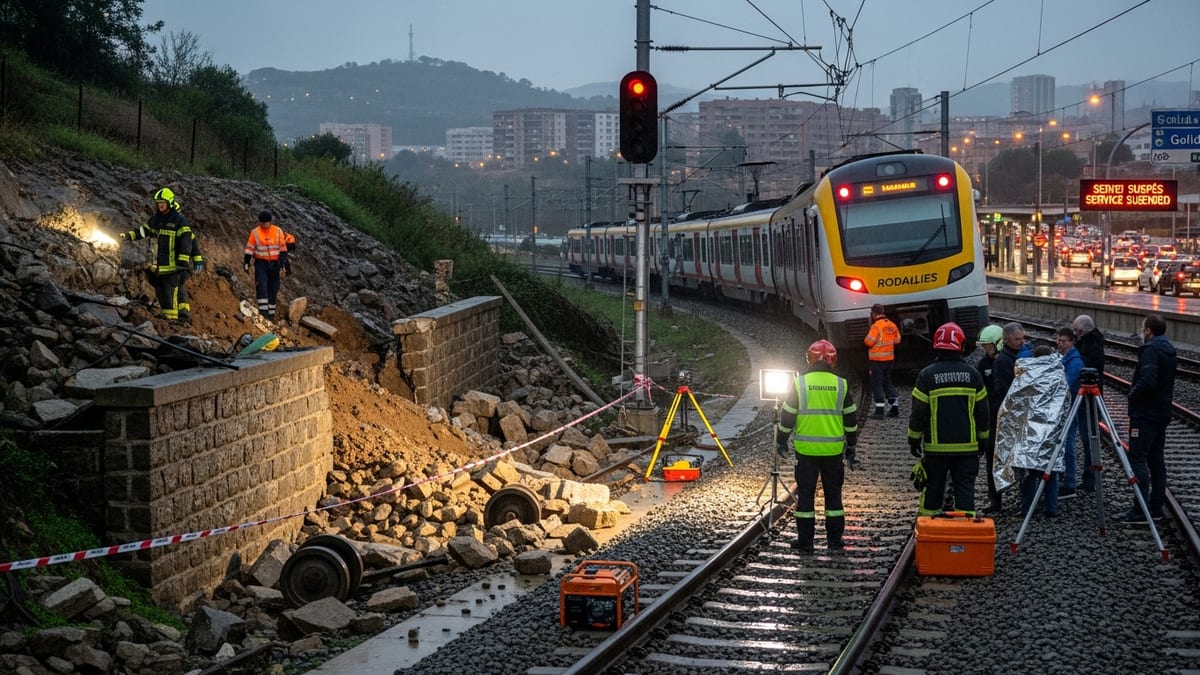
Derailment Near Neshaminy Falls Halts Afternoon Traffic
Publicly available information shows the derailment occurred shortly after 2 p.m. on June 30 along CSX tracks between Street Road and the Neshaminy Falls train station in Bucks County. Initial reports described a multi-car freight train leaving the rails in a largely commercial and residential corridor just off East Bristol Road and Grove Avenue.
Local coverage indicates the eastbound freight train was pulling 72 cars when 13 of them derailed and several overturned alongside the right-of-way. Aerial images shared by regional television outlets show freight cars scattered and tilted at various angles, some partially jackknifed and resting off the main track.
No collision with another train or vehicle had been reported as of Wednesday morning, and the precise cause of the derailment remains under investigation. The scene quickly drew a sizable emergency response as crews moved to secure the area, assess cargo and establish a perimeter around the affected stretch of track.
Road closures followed, including portions of Bristol Road near Old Lincoln Highway and Brownsville Road, as responders set up staging areas and rerouted local traffic away from the railroad corridor.
Hazmat Concerns Spark Shelter-In-Place Orders
Early incident reports noted that several of the derailed railcars were believed to be carrying hazardous materials, including an alcohol-based product and an acidic substance used in industrial processes. Given uncertainty over potential leaks, a shelter-in-place directive and limited evacuations were initiated for parts of Bensalem within roughly a one-mile radius of the derailment site.
Residents described receiving alerts advising people to stay indoors, close windows and limit outdoor activity while hazmat teams evaluated the overturned freight cars. Businesses in the immediate vicinity reduced operations or briefly closed while emergency vehicles and specialized crews moved into position along the tracks.
Hazardous materials specialists conducted air monitoring and visual inspections around the derailed cars into the evening. According to published coverage across several regional outlets, those assessments did not detect any active leaks or dangerous vapors from the railcars of concern.
By later Tuesday night, officials publicly indicated that the area had been deemed safe, with no evidence of chemical release into the air or nearby environment. The shelter-in-place advisories were then lifted and residents were allowed to resume normal activities.
No Injuries Reported As Rail, Road Service Disrupted
Reports from multiple news organizations state that no injuries were reported among train crew members, first responders or nearby residents. The absence of reported casualties distinguishes this incident from several other high-profile freight derailments in the region over the past decade that involved chemical releases or fires.
Despite the lack of injuries, transportation disruptions were significant. Coverage from local broadcasters notes that commuter rail service on the nearby West Trenton Line was temporarily suspended as a precaution, even though passenger trains do not run on the same CSX tracks where the derailment occurred. The pause allowed emergency personnel unrestricted access around the rail corridor.
Motorists in Bensalem faced detours as police vehicles, fire trucks and hazmat units filled a number of key intersections near the scene. Authorities urged drivers to avoid the area entirely, contributing to heavier-than-usual traffic on alternate routes during the late afternoon commute.
As of early Wednesday, some restrictions remained while rail and environmental teams continued their work, although local media reports indicate most residents had returned to routine travel patterns.
Cleanup, Investigation and Community Questions Ahead
In statements shared through news outlets, CSX has been identified as the operator of the derailed freight train and the company is expected to lead the recovery and track repair operation. Rail cranes, heavy equipment and specialized contractors will be needed to upright the overturned cars, remove damaged rolling stock and assess the stability of the track bed and surrounding infrastructure.
Rail safety regulators and investigative agencies customarily review derailments of this scale, examining track conditions, train speed, mechanical performance, recent inspections and any signal or switching activity in the area. While no preliminary cause has been publicly detailed, transportation specialists note that derailments can stem from a combination of track defects, equipment failure, loading issues or operational factors.
The incident has already renewed public scrutiny of freight movements that include tankers and other cars carrying potentially hazardous cargo through densely populated suburbs. Residents posting on local forums and social platforms questioned the frequency of freight trains along the corridor and asked how quickly alerts were delivered when the derailment occurred.
Advocates for rail safety are likely to follow the findings of the investigation, focusing on whether additional safeguards, infrastructure upgrades or routing changes might reduce risk along this busy stretch of track. For Bensalem, the derailment provided an unwelcome but instructive test of emergency notification systems and hazmat response plans.
Regional Rail Safety Context
The Bensalem derailment comes at a time of heightened attention to freight rail operations across Pennsylvania and the broader Mid-Atlantic. Federal and state data indicate that overall train accident rates have trended downward over the long term, yet high-visibility derailments involving hazardous materials continue to fuel public concern about aging infrastructure and heavy freight volumes.
Advocacy groups and transportation analysts point to the critical role freight rail plays in moving chemicals, fuels and other industrial materials that underpin the regional economy. At the same time, they highlight the proximity of many mainlines to homes, schools and commercial districts, where even a contained incident can trigger widespread anxiety.
Publicly available records show that recent derailments in other parts of Pennsylvania prompted reviews of emergency preparedness, communication protocols and the condition of tracks and rail bridges. In Bensalem, the absence of leaks or injuries has been framed by commentators as a relatively fortunate outcome, but one that still underscores the stakes when long, heavy freight consists pass through suburban communities.
As cleanup progresses and rail traffic gradually resumes on the affected CSX line, residents and local leaders are likely to seek clearer information about cargo types, safety investments and the findings of any formal investigation into why 13 cars left the rails on an otherwise routine summer afternoon.