

Mexico rewards curious travelers with coastlines, cuisine and culture that are hard to rival, but it also asks for a bit of homework. From safety blind spots and money mishaps to cultural missteps and environmental damage, many visitor problems are avoidable with the right information. Understanding what not to do is just as important as knowing where to eat or which beach to visit. These seven common mistakes will help you travel Mexico with more confidence, respect and ease.
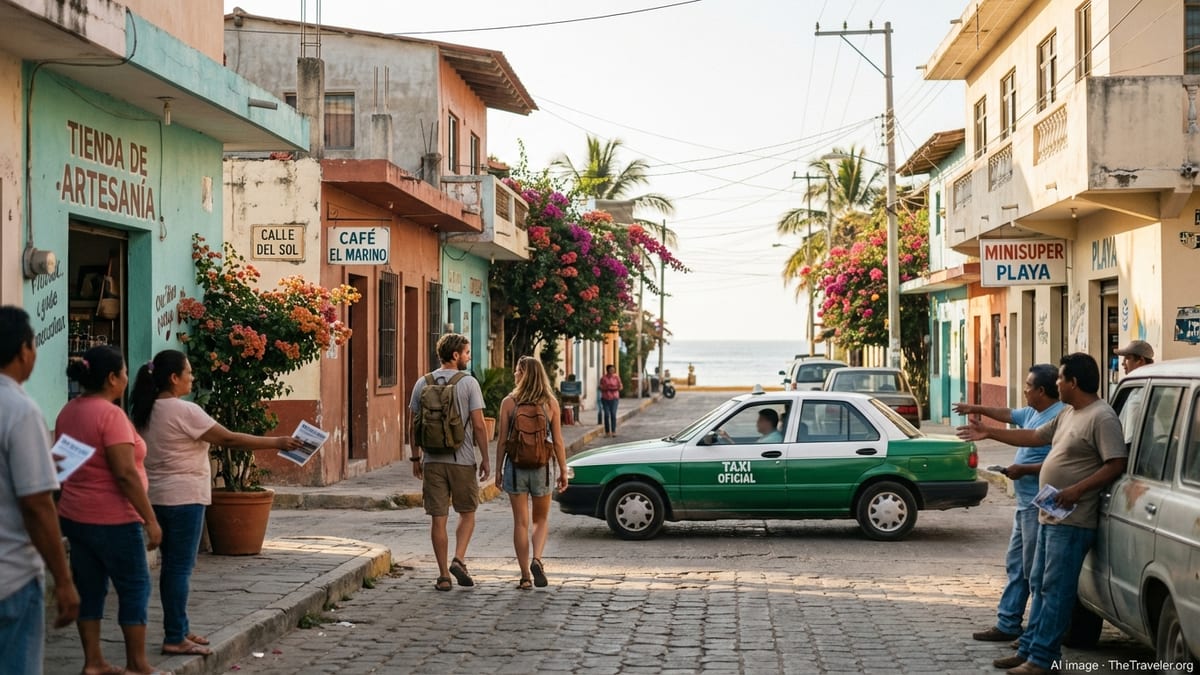
1. Ignoring Regional Safety Differences
Mexico is not a monolith when it comes to safety. The same country that offers relaxed resort areas and well-policed historic centers also contains states that foreign governments advise against visiting altogether. Recent advisories from the United States and other countries distinguish between popular destinations where travelers are urged to exercise increased caution and regions where travel is discouraged due to organized crime, kidnapping risk and sporadic violence. Treating Mexico as either universally dangerous or universally safe is a mistake that can lead to poor decisions on the ground.
Before you book, check the latest official travel advisories for Mexico and then drill down to state and city level. Conditions in Mexico City or Quintana Roo, for example, can be very different from those in parts of Guerrero or Zacatecas. Once you choose a destination, research specific neighborhoods, typical incidents affecting tourists and any recent changes, such as protests, transportation disputes or local curfews. Safety recommendations can shift within months, so rely on updated information rather than word of mouth from someone who visited years ago.
On the ground, many risks can be reduced with common sense strategies that apply in other big cities around the world. Avoid walking through unfamiliar areas late at night, stay in accommodation with good reviews for security, use hotel safes for passports and excess cash, and keep your phone out of sight on public transport. Ask local hosts or hotel staff where they would and would not walk after dark and follow their lead. Staying alert without becoming fearful will help you enjoy Mexico’s cities and coastlines more fully.
Finally, avoid broadcasting detailed real-time plans on public social media and be cautious about accepting invitations from strangers to private parties or remote locations. Violent incidents involving tourists in Mexico remain relatively rare compared to the millions of annual visitors, but they do occur, often when alcohol, drugs or late-night unlicensed transport are involved. A realistic view of risk, combined with modest precautions, will keep most trips trouble free.
2. Underestimating Transportation and Taxi Pitfalls
Transportation is one of the most common sources of stress for travelers in Mexico, especially around airports and major resort areas. In places such as Cancun, Tulum, Los Cabos and Puerto Vallarta, disputes between authorized taxis, informal drivers and ride-hailing services have occasionally turned tense. Travelers have reported intimidation, inflated fares and detours, particularly when stepping into unregulated or “pirate” taxis outside airport terminals. Assuming all taxis operate under the same rules you are used to at home is a mistake that can cost both money and peace of mind.
At airports, walk past the gauntlet of unofficial touts and head for clearly signed, authorized transport desks inside the terminal or prebook a reputable transfer service before landing. Be wary of anyone approaching you in the arrivals hall claiming to be your driver if you were expecting a prearranged pick-up; always confirm details such as your name, destination and booking reference. In many tourist zones, taxis do not use meters, so you should agree on a fare before getting into the vehicle. Asking your accommodation in advance for typical prices between common points in town can give you a reference and confidence when negotiating.
Within cities, licensed taxis called from registered stands or by phone are usually safer than hailing one randomly on the street, especially late at night. In larger cities, app-based ride-hailing can be a convenient option, but check local conditions because in some regions platforms operate in a legal gray area and may face hostility from taxi unions. If you use an app, double-check the license plate and driver photo before stepping into the car. Never accept rides from strangers offering informal “taxis” outside bars or clubs, and if a driver behaves aggressively or tries to change the agreed route without explanation, ask to be let out in a busy, well-lit place.
Long-distance buses in Mexico are generally comfortable and widely used, especially on established intercity routes. The main mistake visitors make is choosing the very cheapest service without realizing that premium lines offer significantly better safety records, newer vehicles and controlled boarding at terminals. When possible, opt for recognized first-class or executive services for overnight journeys, avoid stowing valuables in the hold, and keep your hand luggage close. For rental cars, understand local driving norms, avoid road trips through states currently under high-risk advisories, and plan routes that keep you on major highways during daylight hours.
3. Mishandling Money, ATMs and Payments
Money-related problems are among the most common issues foreign visitors report in Mexico. These range from poor exchange rates at airport kiosks and hidden card charges to outright fraud at compromised ATMs or fuel stations. Mexico has seen several high-profile cases of large-scale ATM skimming operations in tourist corridors, where criminals install discreet devices and cameras to steal card data. Visitors who rely heavily on cash withdrawals from standalone street machines or who hand over cards without paying attention are at higher risk.
To reduce this risk, use ATMs that are physically located inside reputable bank branches or large supermarkets during business hours instead of isolated machines in hotel lobbies, bars or on street corners. Before inserting your card, gently tug on the card reader and keypad to check for loose parts that could indicate a skimmer, and always shield the keypad with your hand when entering your PIN. Keep daily withdrawal limits low and monitor your account regularly through your banking app so that you can quickly spot any suspicious transactions and contact your bank.
Currency exchange requires similar caution. Airport exchange counters and informal kiosks in resort zones often display “no commission” signs but compensate with poor exchange rates or confusing counting tactics. If you need cash on arrival, change only a small amount, then seek better rates at banks in town or rely on fee-free cards where possible. Familiarize yourself in advance with approximate peso equivalents for common purchases such as taxi rides, basic meals or small souvenirs so that you recognize when a quoted price is far above normal. Always count change in front of the cashier and do not be rushed.
Credit and debit cards are widely accepted in cities and tourist regions, but it is prudent to carry a mix of payment methods. In restaurants and shops, ask for the card terminal to be brought to you rather than letting your card disappear out of sight. At fuel stations, where scams involving duplicate charges or altered amounts have been reported, watch the attendant reset the pump to zero, check the final amount on the display yourself and consider paying in cash for smaller fills. Carry only the cash you expect to need for the day and keep backup cards stored separately in your accommodation safe in case a wallet is lost or compromised.
4. Being Culturally Tone-Deaf and Fueling Overtourism
Mexico’s warmth toward visitors can sometimes mask growing local frustration about overtourism and rising costs in certain neighborhoods. In cities like Mexico City, protests have highlighted the displacement of residents from central districts as short-term rentals, foreign investment and an influx of remote workers drive up rents. Visitors who treat residential areas as playgrounds without regard for noise, local customs or social impact may face resentment, even if they never experience direct confrontation. Ignoring these dynamics is a mistake that can harm both your experience and the communities you visit.
Simple behavior choices make a difference. Keep noise levels down when returning to your accommodation late at night, particularly on narrow streets where sound carries. Avoid filming residents or their homes without permission, and remember that not every colorful wall or street vendor is a backdrop for social media. Dress with awareness of context: beachwear belongs on the beach, not in churches, markets or public transport. In smaller towns and religious sites, modest clothing is appreciated and sometimes required, and asking before photographing people or ceremonies is a sign of respect.
Choosing where you stay also matters. In popular urban neighborhoods under pressure from rising prices, consider locally owned guesthouses or small hotels that operate within existing zoning rules rather than unregistered short-term rentals. When possible, distribute your time and spending across different districts and secondary cities instead of concentrating solely in a handful of Instagram-famous areas. Eating at neighborhood fondas, buying crafts directly from artisans and hiring certified local guides spreads the benefits of tourism more fairly and often leads to richer interactions and stories.
Language and etiquette go a long way in Mexico. Learning even a few phrases of Spanish, such as greetings, “please,” “thank you” and “excuse me,” signals goodwill and is usually warmly received. A friendly “buenos días” when entering a shop or a genuine “gracias” after a meal can shift interactions from transactional to welcoming. Be prepared for slower service than you might expect in fast-paced cities elsewhere, especially in family-run establishments, and avoid snapping your fingers or raising your voice to demand attention. Courtesy is deeply valued, and travelers who match that tone are more likely to be treated with kindness in return.
5. Treating Nature and Archaeological Sites Carelessly
Mexico’s natural landscapes and archaeological treasures are among its greatest draws, yet they are also vulnerable to heavy visitor traffic. From coral reefs off the Caribbean coast to cenotes, jungles and high-altitude deserts, ecosystems already face pressure from development, pollution and climate change. At the same time, pre-Hispanic ruins and colonial centers are dealing with erosion, vandalism and overcrowding. A common mistake is assuming that if something is allowed, it is automatically low impact. In reality, many fragile places depend on each visitor making careful choices.
At the beach, using the wrong products can harm marine life. Sunscreens containing certain chemicals contribute to coral stress, especially in overvisited reef zones. Many local authorities now promote or require reef-safe sunscreen and encourage visitors to wear rash guards and hats to reduce the amount of product entering the water. Avoid touching corals, standing on rocks in shallow reefs or chasing sea turtles for photos. Do not feed fish or wildlife from boats; what seems like a harmless gesture can disrupt natural behavior and make animals dependent on human handouts.
Cenotes and freshwater swimming holes, particularly in the Yucatán Peninsula, demand special care. Showering before entering helps keep water clearer and cleaner for everyone, and many operators insist on it. Do not apply body oils, heavy makeup or insect repellent right before swimming, and respect posted rules about jumping from platforms or entering restricted caves. Littering anywhere in these environments is unacceptable; if rubbish bins are overflowing, pack your trash out with you. Trails through jungles and reserves exist for a reason, and leaving them can damage plants, disturb wildlife and accelerate erosion.
At archaeological sites, follow local regulations strictly, even if enforcement appears relaxed. Climbing on structures that are roped off, carving initials into stone or removing small fragments as “souvenirs” all cause cumulative damage and can lead to fines. Stay behind barriers, avoid leaning on fragile walls for photos and pay attention to guides’ explanations about both ancient history and contemporary cultural significance. Many ruins and historic plazas remain active ceremonial spaces for Indigenous communities and local residents, not just open-air museums. Treat them with the same respect you would extend to any place of worship or remembrance.
6. Overlooking Health, Climate and Seasonal Risks
Another frequent mistake in Mexico is underestimating how climate, altitude and seasonal variations can affect your body and your plans. Popular coastal areas experience high heat and humidity for much of the year, which can quickly lead to dehydration and heat exhaustion, particularly for travelers coming directly from cooler climates. In contrast, cities on the central plateau, including Mexico City, Oaxaca and Puebla, sit at higher elevations where sun intensity is strong but evenings can be cool. Travelers sometimes dress for the daytime heat and then find themselves shivering after sunset or short of breath during uphill walks.
Pack for layers and keep sun protection, a refillable water bottle and electrolyte tablets or drinks within easy reach. Start with gentle activities in the first 24 to 48 hours if you are arriving from sea level to a high-altitude city, and avoid intense hikes or long runs until you see how your body responds. Alcohol can hit harder at altitude, so pace yourself at rooftop bars and long dinners. In hot coastal regions, schedule outdoor activities for early morning or late afternoon where possible and retreat to shade during midday peaks.
Food and water safety in Mexico has improved notably in many urban areas and established tourist zones, but stomach upsets still affect a share of visitors. A cautious approach is to drink bottled or filtered water unless you are certain your hotel’s supply is purified and to be selective with street food, prioritizing busy stalls where ingredients turn over quickly and food is cooked thoroughly. Wash or sanitize your hands before eating, keep an eye on how ice is handled and be cautious with raw shellfish in very hot weather. Pack a small travel pharmacy with rehydration salts and basic medication discussed with your healthcare provider before departure.
Mosquito-borne illnesses such as dengue and other tropical diseases exist in parts of Mexico, particularly in coastal and jungle regions. Use repellent, wear long sleeves and trousers in the evenings where mosquitoes are active and ask local hosts about current conditions. Travel insurance that covers medical care and evacuation is highly recommended, even for short trips. While major cities and resort areas have good private hospitals and clinics, smaller towns may have limited facilities, and the cost of emergency transport can be high. A bit of preparation on the health front often makes the difference between an inconvenience and a trip-derailing crisis.
7. Arriving Unprepared for Language and Logistics
Mexico is one of the most visited countries in the world, which can give the false impression that everything is set up for foreign tourists in your language and on your schedule. In reality, outside major resort corridors and a handful of heavily international neighborhoods, English is not guaranteed, and even in popular destinations many people you interact with day to day speak primarily Spanish. Arriving without at least basic phrases and without a sense of how everyday logistics work is a mistake that can leave you frustrated at bus stations, restaurants and shops.
Start with essentials: greetings, numbers, directions and common questions such as how much something costs, whether a dish contains certain ingredients or where to find the ticket office. Written notes on your phone or a small phrase card can be surprisingly effective in noisy environments where translation apps struggle. When using those apps, download offline Spanish packs so you are not dependent on mobile data. Showing patience, smiling and speaking slowly and clearly, even in English, improves your chances of being understood. Many Mexicans will meet you halfway if they see you are making an effort.
Logistical preparation matters too. Long-distance buses often sell out on peak travel days, especially around major holidays, so buy tickets in advance rather than assuming you can always just show up. Keep printed or offline copies of accommodation confirmations, domestic flight details and bus bookings in case your phone battery dies or mobile networks falter. If you plan to drive, learn the basics of local road signs, toll systems and fuel station practices. In cities, note that addresses can be confusing, and having landmarks or cross streets handy when giving directions to a taxi driver makes arrivals smoother.
Finally, give yourself buffer time. Travel times on maps do not always account for traffic snarls in resort corridors, roadworks, police checkpoints or holiday congestion. Aim to arrive at airports earlier than you would at home, particularly during busy periods, and allow extra time when connecting between bus and flight or between ferry and bus. Accepting that plans might flex a little and building that flexibility into your schedule will make the inevitable surprises far less stressful.
The Takeaway
Mexico continues to attract millions of visitors each year, and for the vast majority, those trips are memorable for all the right reasons. The difference between a smooth journey and a stressful one often comes down to choices: where you go, how you move around, how you handle money and how you relate to the people and places hosting you. None of the mistakes outlined here are unique to Mexico, but the country’s particular mix of regional contrasts, tourism pressures and environmental sensitivities makes it especially important to do your homework.
By staying informed about regional safety, using reputable transport, handling money carefully, showing cultural sensitivity, treading lightly on natural and historical sites, preparing for climate and health factors and brushing up on language and logistics, you give yourself the best chance of experiencing Mexico at its most generous. The reward is a trip filled with rich flavors, layered histories and everyday moments of connection that linger long after your suitcase is unpacked. Approach Mexico with respect, curiosity and awareness, and it is likely to welcome you back again and again.
FAQ
Q1. Is it safe to travel to Mexico right now?
Safety varies widely by region in Mexico. Many popular destinations are considered manageable with normal precautions, while some states carry strong warnings. Check current official advisories for specific regions, stay in well-reviewed accommodation, avoid risky areas after dark and follow local guidance.
Q2. Which areas of Mexico should first-time visitors consider?
Well-established destinations such as parts of the Yucatán Peninsula, the main zones of Los Cabos, Puerto Vallarta, Oaxaca City and central neighborhoods of Mexico City are common choices for first-time visitors. Research specific districts, read recent traveler reports and speak with hosts to match your comfort level.
Q3. How can I avoid taxi and transport scams in Mexico?
Use authorized airport transport or prebooked transfers, agree taxi prices before getting in when there is no meter, and favor official taxi stands or reputable apps where they operate safely. Always verify vehicle details, avoid unmarked cars and decline unsolicited offers of rides outside terminals or bars.
Q4. What is the safest way to get cash in Mexico?
Use ATMs located inside major banks or reputable supermarkets during daytime, avoid standalone street machines, shield the keypad and monitor your bank account regularly. Consider bringing a backup card, keeping limits low and combining card payments with modest amounts of cash.
Q5. Do I need to speak Spanish to travel in Mexico?
You can travel many parts of Mexico with limited Spanish, especially in resorts, but knowing key phrases greatly improves your experience. Learn basic greetings, numbers and questions, use translation apps offline and be patient and polite. Locals usually appreciate any effort to communicate in Spanish.
Q6. How can I be respectful of local culture and communities?
Dress appropriately away from the beach, keep noise down in residential areas, ask before photographing people, and support locally owned businesses and guides. Be mindful of overtourism pressures in popular neighborhoods and avoid treating residential streets as party zones or photo sets.
Q7. What should I know about health and food safety in Mexico?
Stick to bottled or filtered water if you are unsure about tap quality, favor busy food stalls with high turnover, and be cautious with raw seafood in very hot weather. Protect yourself from sun and mosquitoes, carry basic medications and consider comprehensive travel insurance that covers medical care and evacuation.
Q8. How can I protect Mexico’s natural environments and historic sites?
Use reef-safe sunscreen, avoid touching corals or disturbing wildlife, shower before entering cenotes and stay on marked trails. At ruins and historic plazas, respect barriers, do not climb restricted structures or remove stones, and remember that many sites hold ongoing cultural and spiritual significance.
Q9. Is renting a car in Mexico a good idea for tourists?
Renting a car can work well for certain routes, especially in well-traveled regions, but it requires planning. Choose reputable agencies, understand insurance, avoid high-risk states and unfamiliar backroads at night, and stick to main highways by day. Always check local traffic rules and fuel station practices.
Q10. What is the best time of year to visit Mexico?
Peak season generally runs from late fall to early spring, when many regions are dry and mild, but some areas get crowded and expensive. The rainy season often brings afternoon showers rather than all-day storms, and shoulder seasons can offer a good balance of lower prices and pleasant weather, depending on the region.