

Stretching for hundreds of kilometres across Manitoba, Lake Winnipeg feels less like an inland lake and more like an inland sea. Its long sandy beaches, sheltered bays and forested islands draw summer vacationers, birders, paddlers and road trippers from across the Prairies. Around its shores you will find resort towns, nature-rich provincial parks and quiet communities shaped by Icelandic, Métis and Indigenous cultures, all linked by the big lake. Whether you are planning a weekend escape from Winnipeg or a longer circuit through Manitoba’s Interlake, these are nine of the best things to do around Lake Winnipeg, from classic beaches to wild nature parks.
Bask on the White Sands of Grand Beach
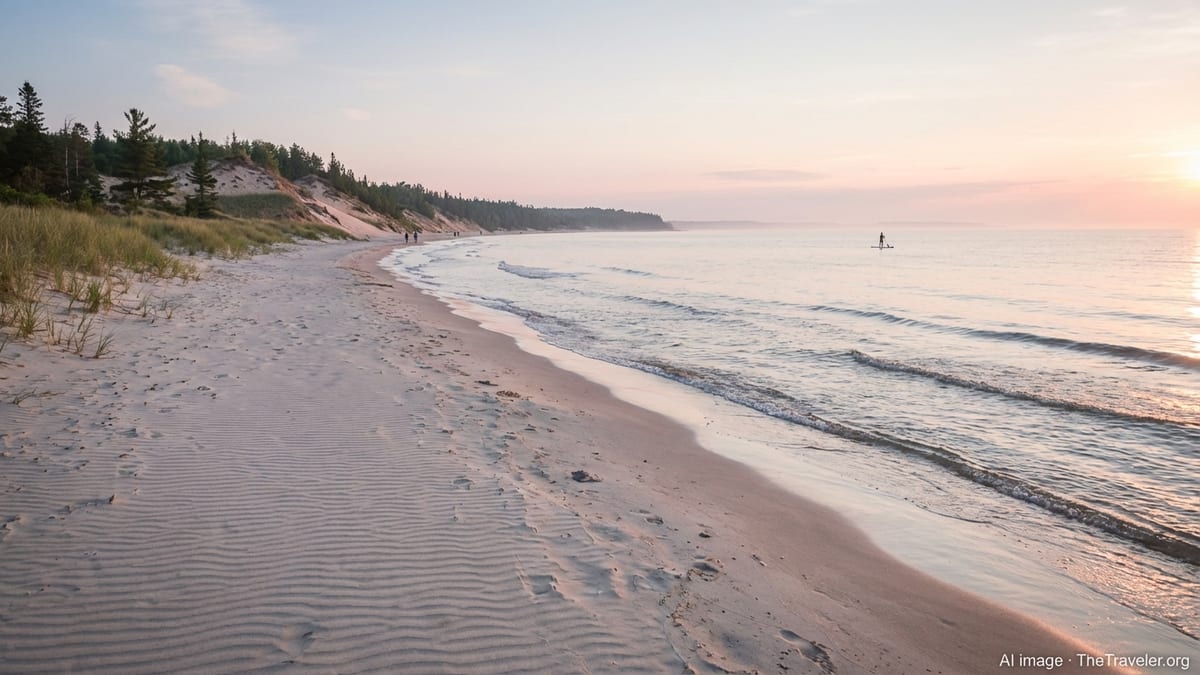
Grand Beach is the best known and most developed stretch of shoreline on Lake Winnipeg, famous for its wide arc of white silica sand and impressively high dunes. Located within Grand Beach Provincial Park on the lake’s eastern shore, it sits about an hour and twenty minutes north of Winnipeg by highway, making it a classic day trip or easy weekend away. In summer the main beach hums with families, volleyball games and swimmers enjoying the relatively warm, shallow water that laps gently against the shore.
Behind the beach, dunes rise up to roughly 12 metres, creating sheltered pockets from the wind and a reminder that this landscape was once part of ancient Lake Agassiz. Boardwalk sections and access paths link parking areas with the water, and there are modern washrooms and change facilities spread along the shore. A small commercial strip near the west end of the beach provides seasonal food stands, ice cream, and basic beach gear, so you can travel relatively light and still spend a full day by the lake.
Grand Beach Provincial Park also offers a substantial campground with both basic and electrically serviced sites for those who want to wake up steps from the sand. Early and late in the season, when the crowds thin, the park reveals a quieter side: morning walkers have the beach nearly to themselves, shorebirds patrol the waterline, and the low sun turns the dunes and grasses golden. Even at the height of summer, you can usually find more breathing room by walking east beyond the busiest stretch of shore.
Nature lovers should keep an eye out for birdlife in the park, which is recognized as important habitat for the piping plover, a small shorebird listed as endangered in Canada. Interpretive signs and designated sensitive areas help protect nesting sites. Visitors can support conservation simply by staying on marked paths, respecting seasonal closures, and choosing less busy sections of the beach when possible.
Stroll, Swim and Festival-Hop in Gimli
On the lake’s west side, the town of Gimli blends sandy shoreline with a strong cultural story. Often described as Manitoba’s favourite beach town, it sits roughly midway up the western shore and serves as an accessible base for exploring the Interlake region. The town beach fronts directly onto Lake Winnipeg, steps from cafés, shops and a harbourfront promenade where fishing boats and sailboats bob in the marina. Shallow waters and soft sand make it a family-friendly place to swim, paddleboard or simply wade out and watch the horizon.
Gimli’s harbourfront has become an all-season gathering place, particularly in summer when the seawall murals, outdoor art displays and live music events animate the waterfront. The painted seawall, stretching along the pier, captures scenes from local history, the fishing industry and Icelandic folklore. A walk here at sunset, when the sky glows over the lake and boats return to the harbour, is among the most atmospheric experiences on Lake Winnipeg’s western shore.
The town’s Icelandic roots are visible in its museums, cuisine and annual events. Gimli is at the heart of the historic region known as New Iceland, and the Icelandic Festival of Manitoba, held over the August long weekend, draws several thousand visitors each year for parades, cultural performances, Viking battle reenactments and traditional foods. Other seasonal events include a beachfront film festival that screens movies on a giant outdoor screen rising from the lake, and regular summer concerts on the harbourfront that bring a lively, festival feel to warm weekends.
Between events, visitors can explore local galleries, learn about aviation history at exhibits dedicated to the famed Gimli Glider incident, or join interpretive experiences that highlight Indigenous stories connected to the region. When you need a break from activity, it is easy to retreat to the sand with a takeaway coffee, watch kites flying above the beach and listen to the steady rhythm of waves along the seawall.
Explore Hecla-Grindstone Provincial Park’s Islands and Trails
North of Gimli, Hecla-Grindstone Provincial Park stretches across a cluster of islands and a long peninsula that jut into the lake. The park combines quiet beaches, marshes rich with birdlife and remnants of Icelandic settlement in a landscape that feels far removed from city life. Visitors typically access Hecla Island via a causeway from the mainland, driving through wetlands before reaching campgrounds, trails and a compact resort area near Gull Harbour.
Summer brings swimmers and paddlers to the park’s beaches, which feature pale silica sand and clear, shallow water. Popular spots include Sunset Beach on the northwest shore of Hecla Island, known for its open views and dog-friendly areas, and the sandier stretches near Gull Harbour where families gather to swim and picnic. Modest playgrounds, picnic tables and boat launches provide enough infrastructure for a comfortable day without overwhelming the natural feel of the shoreline.
Hecla-Grindstone is also a destination for low-key adventure. Fishing is a mainstay, with anglers targeting species such as walleye (often called pickerel locally), perch and pike from docks and shorelines near Gull Harbour and the historic Hecla village. Networked hiking and cycling routes lead through boreal forest, marshes and old quarry sites, offering a chance to spot pelicans, bald eagles and migrating waterfowl. In autumn, the park’s Eagle-themed festival highlights the seasonal movement of raptors along the lake, attracting birders from across the province.
For those interested in history, the restored Hecla village provides a window into the lives of Icelandic settlers who arrived here in the late 19th century. Interpreted buildings, a church and lakeside wharf evoke a time when most travel and commerce moved on the water. Self-guided walking routes link the village with surrounding trails and viewpoints, allowing visitors to combine cultural discovery with time on the shoreline. Simple accommodations, including a golf course and a handful of resort amenities near Gull Harbour, make Hecla-Grindstone a comfortable base for multi-day exploration.
Unplug in Camp Morton Provincial Park
Just north of Gimli, Camp Morton Provincial Park provides a quieter alternative to the busier beaches farther south. Set along the west shore of Lake Winnipeg, this compact park blends forest, open lawns and a modest stretch of shoreline. Originally established as a Catholic summer camp early in the 20th century, the site evolved into a provincial park in the 1970s and still retains some of its historic charm in the form of rustic buildings and a simple, low-key layout.
The lakeshore here is less developed than in town, which appeals to visitors seeking space and tranquillity. Small sandy and pebbly areas provide access to the water for wading and paddling, while grassy clearings are ideal for picnics with views across the lake. The atmosphere is notably calmer than at Grand Beach or central Gimli, particularly on weekdays and in shoulder seasons, making Camp Morton a good choice if you prefer the sound of waves and wind in the trees to busy boardwalks and loud music.
Inland, short walking paths lead through mixed forest and open meadows, rewarding patient walkers with sightings of songbirds and, occasionally, deer. Winter transforms the park into a hub for cross-country skiing, with a local ski club maintaining several kilometres of groomed trails across rolling terrain. This four-season appeal means Camp Morton is worth considering not only for summer beach days, but also as a base for cold-weather trips focused on skiing or ice fishing farther along the lake.
Accommodation options around Camp Morton range from basic provincial campground facilities to privately operated cabins and cottages in the surrounding area. Many visitors combine a stay here with day trips into Gimli for restaurants and cultural attractions, returning to the quieter park in the evenings. For road trippers following the western shore, it also serves as a natural pause between the busier southern beaches and the more remote communities to the north.
Discover Nature and History in Patricia Beach and the Southern Shores
At the southern end of Lake Winnipeg’s east side, Patricia Beach Provincial Park feels pleasantly undeveloped despite its relative proximity to Winnipeg. Accessed via a short drive off Highway 59, the park centres on a long, gently curving beach backed by low dunes, coastal wetlands and jack pine forest. Facilities here are intentionally minimal, with basic washrooms and parking but no major commercial strip, giving Patricia Beach a quieter, more natural feel than Grand Beach up the road.
The sand is fine and pale, and the water typically stays shallow for a long way out, which suits families with younger children who want space to splash close to shore. Birdwatchers are drawn to the surrounding marshes and lagoons, which provide habitat for shorebirds and waterfowl during spring and autumn migrations. Modest interpretive signage helps visitors understand the role these wetlands play in filtering water entering Lake Winnipeg and supporting biodiversity along the flyway.
Just to the south, a string of smaller cottage areas and beaches, including Beaconia and Balsam Bay, serves mostly seasonal residents but welcomes day visitors who are willing to explore side roads. These pockets of development provide a glimpse into classic Prairie lake life, where modest cabins, community halls and local convenience stores revolve around summer weekends at the shore. While services can be basic, the trade-off is a more intimate connection with the lake, especially in the evenings when most day trippers have headed back toward the city.
The southern shoreline offers a useful reminder that Lake Winnipeg is both a recreational asset and a working landscape. Local conversations often touch on water quality, algae blooms and shoreline erosion, topics that visitors increasingly factor into their own travel choices. Supporting parks that emphasize habitat protection, packing out all waste and being mindful of boating practices are simple ways travellers can help sustain the lake they have come to enjoy.
Follow the Lake Winnipeg Heritage Trail in Winnipeg Beach and Surrounding Towns
South of Gimli, the resort community of Winnipeg Beach and neighbouring lakeside towns have been drawing urban residents since the early 1900s, when excursion trains carried crowds north to the water. Today, drivers follow highways instead of rail lines, but much of the classic resort-town atmosphere remains. A compact boardwalk, seasonal amusement rides and a small, sandy shoreline give Winnipeg Beach a nostalgic feel that pairs well with ice cream cones and long weekend strolls.
Historical displays and local heritage centres along this stretch of coast highlight how the lake shaped settlement, transport and recreation in Manitoba. Old photographs of packed piers, bathing pavilions and dance halls make it clear that lakeside leisure is not a recent invention here. Following a self-guided heritage walk, you can imagine the era when steamships and excursion cars were the fastest way to escape the summer heat of the city.
Modern Winnipeg Beach mixes that history with contemporary amenities, from small-town restaurants to lakeside events and markets. The community hosts concerts, car shows and family festivals throughout the summer, many centred around the waterfront green space. A modest marina and public boat launch cater to anglers and boaters who use Winnipeg Beach as a starting point for exploring the southern basin of the lake.
Beyond town, exploring nearby communities such as Dunnottar and the string of smaller beaches to the north offers additional ways to experience Lake Winnipeg at a slower pace. Many visitors opt to base themselves in a rented cabin or campground and then day trip along this section of shoreline, linking historical stops with swims and sunset photo opportunities along the way.
Experience Indigenous and Icelandic Heritage Around the Lake
Lake Winnipeg’s story extends far beyond its modern role as a recreational getaway. For centuries, Indigenous nations including Anishinaabe and Cree communities have relied on the lake and its tributaries for food, trade and travel. Sites around the shoreline, particularly in the Interlake region, continue to host cultural events, powwows and educational programs that share traditional knowledge and contemporary perspectives. Visitors interested in a deeper understanding of the region can look for opportunities to join public cultural celebrations or guided experiences led by local knowledge keepers.
In and around Gimli, interpretive initiatives honour figures such as John Ramsay, an Anishinaabe leader associated with the area in the 19th century. Storytelling sessions, drumming and community events help illuminate the long Indigenous presence along the lake’s western shore. Approaching these experiences with openness and respect, and supporting Indigenous-owned businesses where possible, can add meaningful context to a trip that might otherwise focus only on beaches and parks.
At the same time, the western shore between Winnipeg Beach and Hecla Island is home to a distinct Icelandic diaspora, a legacy of 19th-century migration that established the region known as New Iceland. Museums in Gimli and interpretive panels throughout the area document the hardships and resilience of these settlers, who built fishing communities and farms along what was then a relatively isolated coastline. The Icelandic Festival of Manitoba, believed to be one of the longest-running cultural festivals of its kind in North America, continues to celebrate that connection each August with music, food, literature and traditional ceremonies.
Exploring both Indigenous and Icelandic stories as you move around the lake offers a more layered perspective on the landscapes you are enjoying. Beaches that may appear simply scenic at first glance are also sites of subsistence fishing, migration routes and cultural exchange. Many travellers find that understanding those deeper narratives enriches everything from a casual harbourfront stroll to a quiet moment watching pelicans ride the thermals above the water.
The Takeaway
From the sweeping dunes of Grand Beach to the quiet coves of Camp Morton and the island trails of Hecla-Grindstone, Lake Winnipeg offers far more than a single beach day. The lake’s vast size, varied shorelines and mix of communities mean you can choose the experience that suits you best, whether that is a lively boardwalk, a fishing-focused getaway or a weekend spent exploring cultural festivals and local history. Careful planning allows you to link several of these destinations into a single loop, perhaps starting in Winnipeg Beach, pausing in Gimli, then continuing north to the islands before circling back via lesser-known beaches and parks.
As you travel, it is worth remembering that Lake Winnipeg is both beloved and vulnerable. Local residents are deeply engaged in conversations about water quality, fisheries and shoreline health, and visitors have a role to play in that story. Choosing low-impact activities, supporting conservation-minded businesses and respecting local guidelines can help ensure that the lake remains a place of clean water, abundant birdlife and welcoming communities.
However you choose to explore, the combination of soft sand, big skies and long summer evenings is hard to forget. Many travellers find themselves returning year after year, discovering a new trail, beach or festival each time. Around Lake Winnipeg, the best experiences are often the simple ones: an early-morning walk on a nearly empty shoreline, a picnic in the dunes, or the sound of waves against the harbour wall as the last light fades over the prairie sea.
FAQ
Q1. When is the best time to visit Lake Winnipeg for beach weather?
The most reliable beach weather typically falls between late June and late August, when daytime temperatures are warm and most facilities and seasonal businesses are fully operating.
Q2. Can I swim safely in Lake Winnipeg?
Many designated beaches have shallow, generally calm water suitable for swimming in summer, but conditions can change, so it is wise to check local advisories and follow posted signage before entering the lake.
Q3. Do I need a park pass to visit provincial parks around Lake Winnipeg?
For vehicle access to Manitoba’s provincial parks, including Grand Beach, Hecla-Grindstone and Camp Morton, a valid park vehicle permit is usually required; these can be purchased at park entry points or authorized vendors.
Q4. Is it possible to visit several Lake Winnipeg destinations in one trip without rushing?
Yes, many travellers plan a three- to seven-day circuit that links the southern beaches, Gimli, Camp Morton and Hecla-Grindstone, allowing time for both relaxation and sightseeing without feeling overly scheduled.
Q5. Are there accommodations directly on or very close to the lake?
Around Lake Winnipeg you will find a mix of provincial campgrounds, private campgrounds, lakeside resorts and rental cottages, particularly near Grand Beach, Gimli, Winnipeg Beach and Hecla Island.
Q6. What kinds of wildlife might I see around Lake Winnipeg?
Common sightings include pelicans, gulls, terns, cormorants and bald eagles, along with deer and smaller mammals in forested areas; in certain parks you may also encounter foxes or black bears, so normal wildlife precautions are advisable.
Q7. Is Lake Winnipeg suitable for beginner paddlers?
Sheltered bays, harbours and short stretches of shoreline near major beaches can be suitable for cautious beginner kayakers or paddleboarders on calm days, but the lake is large and conditions can shift quickly, so checking forecasts and staying close to shore is important.
Q8. How busy do the popular beaches get in peak season?
On sunny summer weekends, Grand Beach, Gimli and Winnipeg Beach can become quite crowded, particularly around midday; arriving early or visiting on weekdays usually offers a more relaxed experience.
Q9. Are there year-round activities around Lake Winnipeg?
Yes, winter brings cross-country skiing, snowmobiling and ice fishing to many communities, while shoulder seasons appeal to birdwatchers and those who prefer quieter trails and cooler temperatures.
Q10. How can visitors help protect Lake Winnipeg while travelling?
Simple actions such as packing out all waste, using designated washrooms, avoiding disturbance of dunes and wetlands, respecting fishing and boating regulations and supporting local conservation efforts all contribute to the long-term health of the lake.