


More news on this day
As Alaska cruise bookings surge for the 2026 season, recent travelers are reporting that a few strategic items in their luggage made the difference between simply enduring the elements and fully enjoying glaciers, wildlife and wind-swept decks.
Get the latest news straight to your inbox!
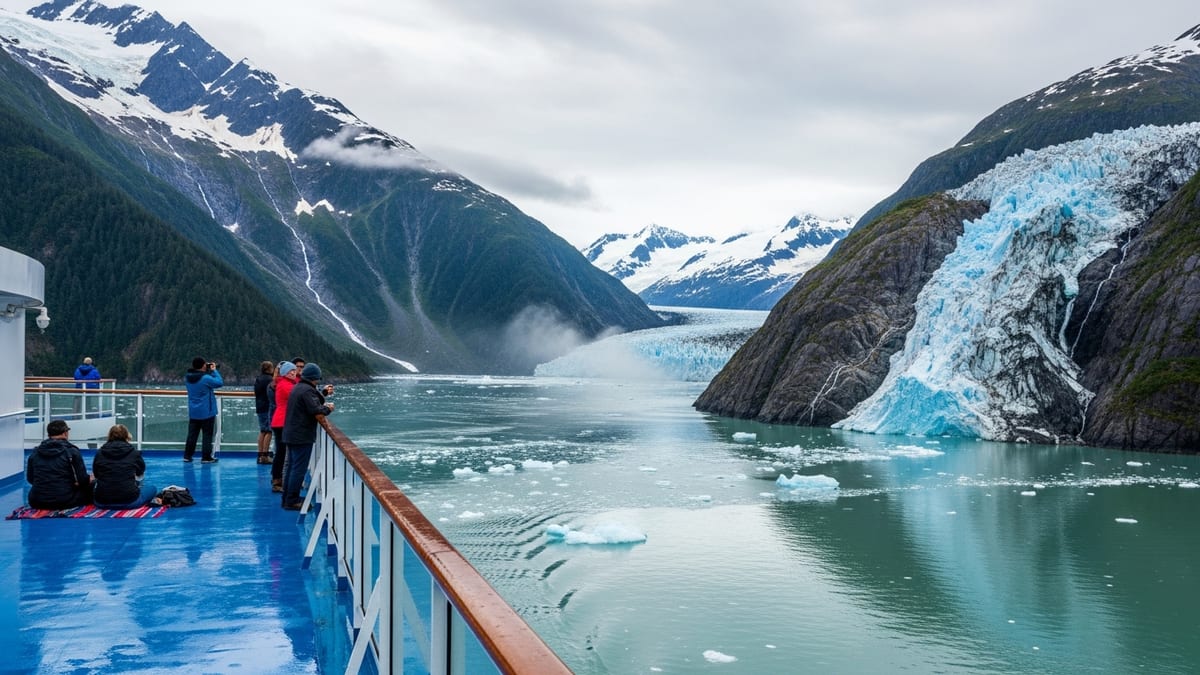
Layering Pieces Built for Unpredictable Weather
Travel reports across cruise forums and packing guides indicate that the single most important strategy for an Alaska cruise is layering, not bulk. Instead of heavy winter coats, experienced cruisers favor a moisture-wicking base layer, a warm mid-layer such as a fleece or lightweight puffy, and a weatherproof outer shell that can be added or removed as conditions shift throughout the day. This approach has been repeatedly highlighted in 2025 and 2026 packing lists from cruise lines and expedition operators, which note that temperatures can swing from the 40s in the morning to the 60s by afternoon, even during peak summer sailings.
In practical terms, that means packing at least one set of thermal or synthetic base layers, two or three lightweight sweaters or fleeces and a compressible insulated jacket that fits under a shell. Travelers returning from early season voyages in May and shoulder-season trips in September describe wearing multiple thin layers for glacier viewing on open decks, then peeling down to a single long-sleeve top for indoor activities and port shopping. The flexibility matters when rain showers, wind and bright sun can all appear in a single shore excursion.
Several recent Alaska-focused guides also caution against cotton, which stays damp and chilly once wet. Synthetic or merino wool fabrics are recommended instead for both tops and bottoms, helping passengers stay warm during long days out near glaciers, on small-boat wildlife tours or on exposed rail platforms.
Waterproof Outerwear and Dry Daypacks
If there is one category travelers say they wish they had invested in sooner, it is truly waterproof outerwear. Publicly available cruise packing lists for 2026 consistently differentiate between water-resistant and waterproof, recommending a seam-sealed rain jacket with a hood, and often rain pants, as non-negotiable for Alaska itineraries. Reports from passengers on recent Inside Passage sailings describe heavy rain in Ketchikan and drizzle in Juneau that left ordinary windbreakers soaked through, while those with proper shells remained comfortable and able to stay outside longer.
Waterproof or at least highly water-resistant daypacks also appear repeatedly on current packing checklists from major cruise lines and expedition companies. A small pack in the 20 to 30 liter range allows cruisers to carry extra layers, gloves, a hat, camera gear and a reusable water bottle on shore excursions, while keeping everything dry in sudden showers or sea spray. Families traveling with children in particular note that a dedicated dry bag or roll-top backpack simplified moving between ship and shore with snacks, spare clothes and electronics.
Those same lists suggest packing lightweight rain pants that can be pulled over regular trousers when forecasts call for steady showers. Travelers returning from glacier viewing and whale-watching tours in 2025 and 2026 report that having waterproof pants was especially helpful on smaller boats with open decks and on damp hiking trails near coastal rainforests.
Footwear, Traction and Cold-Weather Accessories
Footwear has emerged as another area where a considered purchase can significantly improve an Alaska cruise. Recent guidance from both mainstream cruise brands and expedition operators points to waterproof hiking shoes or ankle boots with good grip as an ideal all-purpose option. These shoes are suited for walking in port towns, navigating wet gangways and exploring forested trails, while also handling occasional mud and slick rocks near waterfalls or shorelines.
Travelers who sailed early in the season or added glacier viewing excursions report that basic sneakers often struggled for traction on wet surfaces. As a result, anti-slip shoe grips and ice cleats have become a popular add-on item in 2025 and 2026 packing discussions, particularly for those planning to visit glacier viewpoints or spend extended time on exposed decks. These compact traction aids slip over existing footwear and can be removed once back indoors.
Cold-weather accessories round out the footwear conversation. Even on July departures, wind on open decks can feel significantly colder than the posted air temperature. Passengers returning from recent voyages consistently recommend packing a warm hat, thin but insulated gloves and a neck gaiter or scarf. These small items are easy to stash in a coat pocket or daypack but can make wildlife watching, sail-away views and late-night aurora hunting substantially more comfortable.
Binoculars, Cameras and Power Solutions
Alaska itineraries are increasingly being marketed as scenic and wildlife-focused, and travelers who have just returned underscore how much a good pair of binoculars enhances the experience. Recent cruise line packing guides list binoculars alongside passports and medications as top essentials, noting that humpback whales, bears and eagles are often spotted at a distance. Passengers who relied only on smartphone zoom functions frequently report regretting not bringing dedicated optics, especially on narrow fjord days and when ships linger near calving glaciers.
Modern smartphone cameras remain popular for casual photography, but many travelers still opt to bring a compact camera or mirrorless system with a zoom lens for glacier panoramas and wildlife shots taken from upper decks. With heavy daytime use on port days and late-evening photo sessions during extended summer daylight, portable power banks have become another key item on 2026 packing lists. These allow cruisers to recharge phones, cameras and e-readers without searching for outlets in busy public areas.
Inside cabins, in particular, often have limited power points. Recent cruiser reviews advise packing a small, non-surge-protected power strip or multi-port USB charger, compliant with cruise line policies, so that multiple devices can be charged overnight. For many passengers, this relatively inexpensive accessory has become a quiet essential, avoiding rotation of phones, watches and camera batteries on a single outlet during a weeklong voyage.
Health, Comfort and Small Convenience Items
Beyond clothing and gear, a handful of personal items regularly appear on the must-pack lists of recent Alaska cruisers. Reusable water bottles are at the top of that group. Cruise and expedition operators encourage passengers to refill bottles at onboard stations to stay hydrated during long shore excursions and scenic cruising. Travelers report that insulated bottles are especially useful, keeping drinks warm during chilly outings and cold on the relatively rare but welcome sunny days.
Motion relief solutions remain a low-cost essential. Although modern cruise ships have advanced stabilizers, published advice from cruise-focused outlets continues to recommend bringing over-the-counter seasickness tablets, ginger chews or pressure bands, particularly for passengers who are new to cruising or sailing in shoulder seasons when seas can be rougher. Having preferred remedies on hand avoids last-minute purchases at higher prices in shipboard shops.
Finally, several small items commonly described as “trip savers” have gained visibility in 2025 and 2026 trip reports. These include compact travel umbrellas for light rain in port, basic sunscreen for surprisingly strong sun reflection off water and ice, and insect repellent or wipes for certain mid- to late-summer itineraries where mosquitoes can be active near wetlands and forests. Individually, each item is small; collectively, they help cruisers stay focused on the vast scenery and wildlife viewing opportunities that define an Alaska voyage.