


More news on this day
Travelers in Canada face fresh uncertainty over the busy August long weekend as WestJet flight attendants move closer to a walkout starting August 2, backed by a 99.4% strike authorization vote, while Air Canada adds capacity and rebooking options to absorb disrupted passengers.
Get the latest news straight to your inbox!
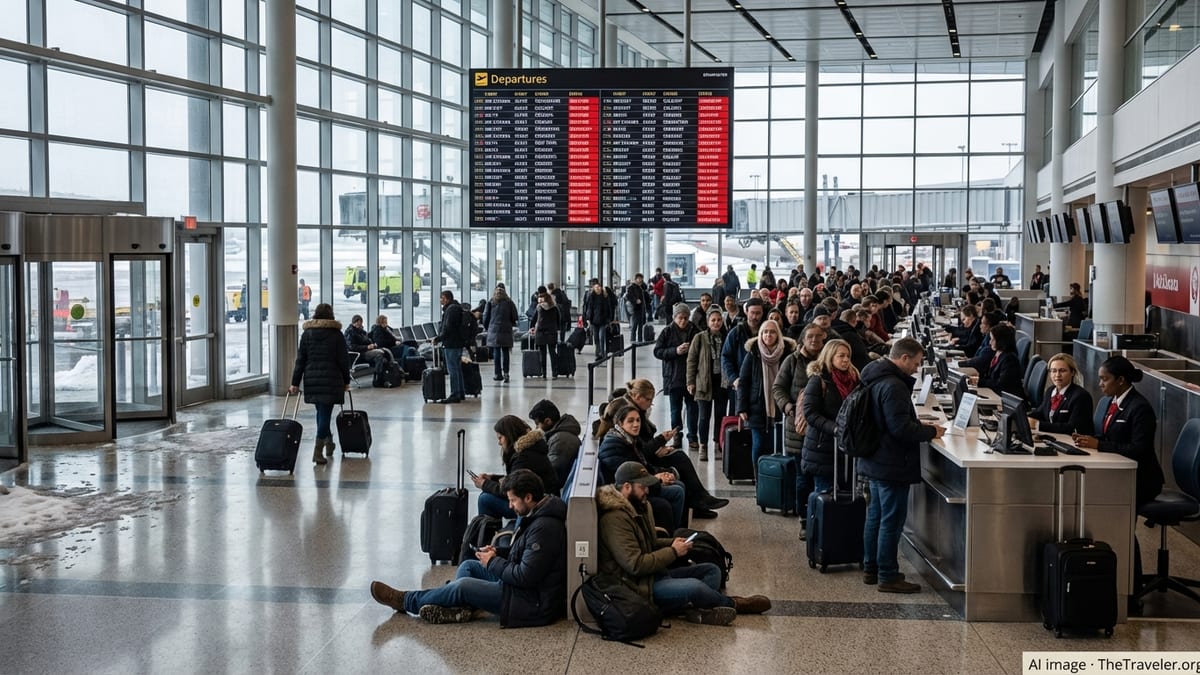
WestJet Cabin Crew Poised for August 2 Walkout
WestJet’s labor dispute with its flight attendants has escalated rapidly in recent weeks, with the union representing more than 4,400 cabin crew reporting a 99.4% vote in favor of strike authorization and a turnout of more than 97%. Publicly available union communications describe the mandate as one of the strongest in recent Canadian airline labor history, reflecting deep frustration over pay structures and working conditions.
According to published coverage and union statements, the dispute centers largely on unpaid work, particularly time spent on critical safety duties and passenger service before departure and after arrival. Cabin crew representatives argue that much of this ground time remains uncompensated despite being mandatory and safety sensitive.
Reports indicate that following the strike authorization, the union completed the required cooling-off period under federal labor rules and then issued a 72-hour strike notice. This places the earliest possible legal walkout at 12:01 a.m. on August 2, a timing that coincides with one of Canada’s busiest summer travel weekends and heightens the potential impact on domestic and international routes.
WestJet has said in public statements that it remains committed to reaching a deal and has urged customers to monitor their bookings. The airline has also begun adjusting its schedule in the lead-up to the deadline, a step that typically includes consolidating flights and positioning aircraft in anticipation of potential work stoppages.
Air Canada Steps In With Extra Options
As concern over a strike intensified, Air Canada emerged as a key pressure valve in Canada’s constrained air travel market. According to publicly available information about carrier coordination, the country’s largest airline has been working to provide additional seats and flexibility for travelers who may see their WestJet flights disrupted.
Reports shared through consumer advisories and media coverage indicate that Air Canada has increased capacity on select domestic and transborder routes over the August long weekend, particularly on corridors where WestJet has a strong presence. In practical terms, this includes upgauging aircraft, adding extra sections on high-demand routes, and opening more inventory at flexible fares.
Some public reports further suggest that the two carriers have arrangements in place for limited re-accommodation, allowing certain WestJet passengers affected by cancellations to be rebooked onto Air Canada services during the strike window. While such agreements are typically constrained by seat availability and fare class, their existence provides one more channel for stranded travelers to reach their destinations.
Air Canada has recent experience managing large-scale operational disruptions triggered by labor disputes, including its own flight attendant strike in 2025. Analysts note that this experience may allow the airline to respond more quickly with schedule adjustments, crew planning, and customer communications as it steps in to capture displaced demand.
Unpaid Work and a Shifting Labor Landscape
Behind the immediate travel disruption lies a broader debate over how cabin crew are compensated in Canada’s airline industry. Publicly available union material highlights unpaid work as a central grievance, arguing that flight attendants are only paid once the aircraft doors close and the plane pushes back, leaving pre-boarding, boarding, and post-arrival duties largely uncompensated.
This issue gained prominence during Air Canada’s 2025 cabin crew strike and has since become a focal point across Canadian carriers. Industry observers note that cabin crew at WestJet, Air Canada, and other airlines increasingly frame the dispute as a test case for the value placed on front-line safety and service roles in an era of tight margins and high passenger expectations.
The WestJet vote, with its 99.4% strike authorization, is being interpreted by labor commentators as a signal that flight attendants are prepared to sustain job action if necessary. At the same time, there is intense pressure from travelers, tourism businesses, and political figures to avoid a prolonged shutdown of a major national carrier at the height of summer.
Whether the parties can bridge gaps on pay, scheduling, and job security before August 2 will likely shape negotiations across the sector, including upcoming contract talks at other airlines. The outcome could influence how Canadian carriers structure compensation for non-flight time, duty periods, and irregular operations in future agreements.
Travelers Scramble to Protect Summer Plans
With the clock ticking toward the August 2 deadline, travelers across Canada and abroad are rushing to shore up itineraries. Online forums and social media feeds are filled with passengers debating whether to wait, rebook, or cancel trips entirely, particularly those scheduled to depart or return around the strike date.
Publicly available customer advisories from WestJet outline flexible change and cancellation policies for flights over the affected period, including one-time free changes for some itineraries. However, many travelers are reporting higher fares and limited availability when attempting last-minute switches to other carriers or alternative dates, especially on popular holiday and transatlantic routes.
Consumer advocates and travel experts quoted in Canadian media are advising passengers to confirm their contact details with airlines, monitor flight status closely, and consider purchasing travel insurance that covers labor disruptions where available. Travelers with connecting flights, cruise departures, or nonrefundable accommodations are being encouraged to build in extra time or explore backup options in case of cascading delays.
Meanwhile, airports in major hubs such as Toronto, Calgary, and Vancouver are preparing for potential surges in rebooked passengers and longer lines at customer service counters. Ground handling and airport staff may face additional pressure if a strike triggers large-scale cancellations and same-day rescheduling.
Potential Economic and Competitive Fallout
Beyond immediate inconvenience for passengers, a WestJet cabin crew strike could carry significant economic and competitive consequences. Tourism bodies and airport authorities are closely watching the situation, as any extended reduction in WestJet’s schedule would ripple through hotel bookings, car rentals, and local businesses that rely on visitor traffic.
Analysts point out that WestJet plays a particularly important role in connecting smaller Canadian cities to larger hubs, often with limited alternative air service. A prolonged disruption could therefore have outsized effects on regional communities, from Atlantic Canada to the Prairies and the West.
The situation also intensifies competitive dynamics between WestJet and Air Canada. If Air Canada successfully absorbs a large share of displaced travelers during the disruption, it may deepen customer loyalty and shift market share on certain routes, at least in the short term. Low-cost and leisure-oriented competitors could also benefit if price-sensitive travelers seek alternatives.
For now, attention remains fixed on the last days of bargaining before August 2. Public schedules, union updates, and airline advisories suggest there is still room for a negotiated settlement that averts a full shutdown. Until a deal is reached, however, both WestJet customers and the wider Canadian travel sector are bracing for one of the most disruptive labor showdowns in recent years.