


More news on this day
As possible labour disruptions and schedule changes cloud WestJet’s operations going into the August long weekend, many Vancouver travelers are scrambling to understand what financial protection they have if their flights are cancelled.
Get the latest news straight to your inbox!
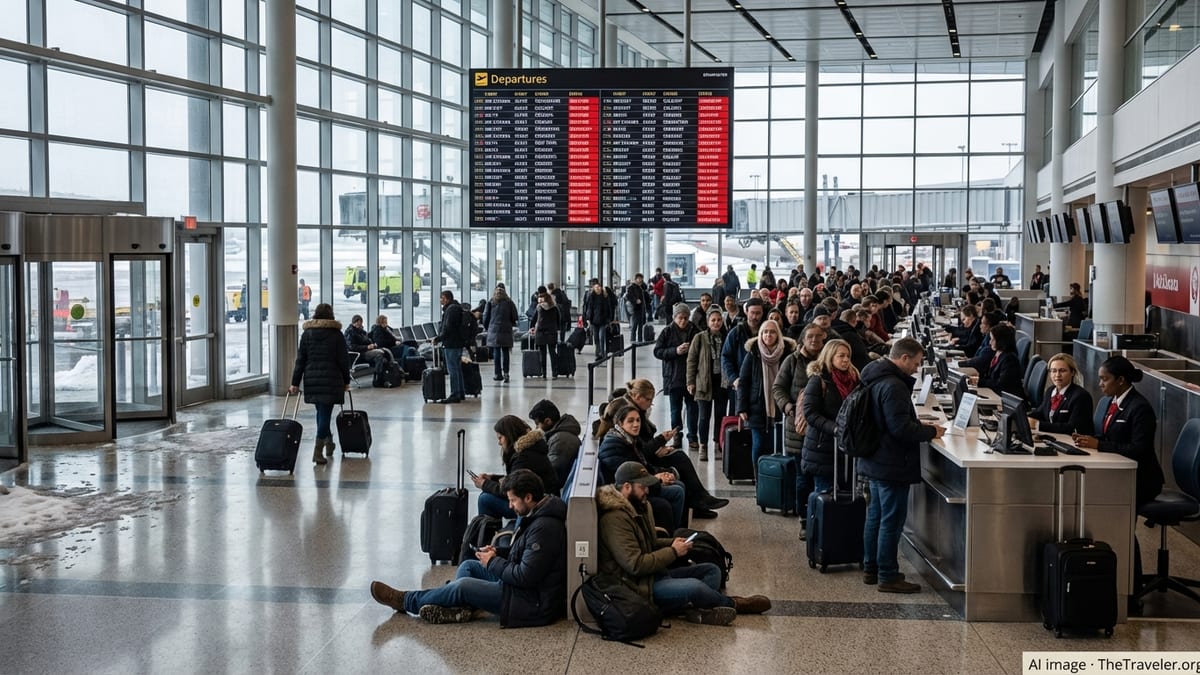
WestJet’s current change and cancellation options
WestJet has introduced temporary flexibility for guests travelling between July 30 and August 4, 2026, allowing a one time change or cancellation without additional fees on eligible fares. Publicly available information on the airline’s website indicates that this policy is designed to give travelers more options as the carrier adjusts its schedule ahead of potential job action and other operational challenges. For Vancouver International Airport passengers, that can mean earlier rebookings on remaining flights or choosing to cancel before the situation escalates.
However, fee waivers do not automatically mean cash back. In many cases, travelers who cancel voluntarily may receive travel credits rather than a refund to their original form of payment, depending on the fare type and specific circumstances. Vancouverites considering a preemptive cancellation to avoid uncertainty should pay close attention to whether what is being offered is a refund, a credit, or a rebooking on a later date, since each option carries different financial consequences.
It is also important to distinguish between flights cancelled directly because of a strike and those removed from the schedule in advance for operational planning. WestJet’s public policies and tariff documents indicate that disruptions linked to a work stoppage itself may be treated as outside the airline’s control, which affects eligibility for compensation for inconvenience. In contrast, cancellations related to crew scheduling or other internal planning can, in some cases, fall within the airline’s control under Canadian rules, which may open different avenues for compensation.
Vancouver travelers are therefore being encouraged, in consumer advocacy coverage and government guidance, to keep all airline communications related to cancellations and schedule changes. The reason given for the disruption, and whether WestJet classifies it as within or outside its control, can influence what passengers are ultimately entitled to receive.
What Canadian rules say about refunds and compensation
Under Canada’s Air Passenger Protection Regulations, WestJet is classified as a large airline, and minimum obligations apply to flights that depart from, arrive in, or connect within Canada. The Canadian Transportation Agency explains that passengers are generally entitled to rebooking or a refund when flights are cancelled, and in some cases additional compensation for inconvenience, depending on the reason for the disruption and the amount of notice provided. These rules apply to Vancouver flights whether they are domestic, transborder, or international, as long as they are operated by a covered carrier.
For cancellations within the airline’s control and not related to safety, federal guidance states that travelers may be owed both a refund and cash compensation if they are not rebooked in a way that still serves the original purpose of their trip. For large airlines such as WestJet, published materials from the Canadian Transportation Agency describe compensation levels in the hundreds of dollars for lengthy delays or cancellations that meet specific criteria. Passengers must normally submit a written claim to the airline within one year of the disruption and may take complaints to the Agency if they disagree with the outcome.
Recent regulatory updates also created a general refund requirement even when disruptions are outside the airline’s control, such as major weather events or some government-imposed restrictions. In those cases, airlines may not have to pay compensation for inconvenience, but they are expected to complete the itinerary within a reasonable time or provide a refund if they cannot. For Vancouverites facing a cancelled WestJet flight with no workable rebooking option within roughly 48 hours, guidance suggests that a refund to the original form of payment should be available.
Official explanatory documents further note that airlines must be able to substantiate their stated reason for a disruption. Past decisions involving WestJet and other carriers have found that certain crew shortages can be within an airline’s control, especially when inadequate planning is a factor. For travelers departing from Vancouver, this means that how WestJet categorizes a cancellation and what supporting records exist could matter if a dispute over compensation reaches the Canadian Transportation Agency.
How strike related cancellations are treated
Labour disputes sit in a more complex category under Canadian rules. Government guidance on refunds and compensation for flight delays and cancellations lists strikes and other labour disruptions as examples of situations that may fall outside an airline’s control. In such cases, WestJet and other carriers do not generally have to pay compensation for inconvenience, even if the impact on passengers is significant. That distinction is particularly important for Vancouver residents watching developing news about possible flight attendant job action.
If a WestJet flight from Vancouver is cancelled specifically because a strike is underway or imminent, publicly available WestJet materials suggest that the airline’s primary obligations are to provide rebooking at the earliest opportunity or to issue a refund if the trip can no longer be completed within a reasonable time frame. Compensation on top of that is typically not offered when the disruption is classified as outside the airline’s control. Travelers may still receive standard-of-treatment assistance such as food vouchers or overnight accommodation in some situations, but those details are governed by the airline’s tariff and internal policies.
There is an important distinction between cancellations that occur once a legal work stoppage has started and those made earlier for broader operational reasons. Consumer advocates and legal analyses point out that when an airline cancels flights days in advance due to resource planning or crew availability, regulators may treat those disruptions differently from sudden cancellations on the day of travel caused directly by picket lines or work refusals. For Vancouverites, that difference could influence whether compensation for inconvenience is potentially available.
Because individual circumstances vary widely, experts consistently recommend that passengers document the timeline of announcements, screenshots of WestJet advisories, and any notices that specify whether the disruption is tied to labour action or internal scheduling. That record can be important if the airline’s classification of the event is later challenged through the Canadian Transportation Agency’s complaint process.
When travel insurance and credit cards can help
Beyond what WestJet and federal regulations provide, many Vancouver travelers rely on third party protection through standalone travel insurance or premium credit cards. The Canadian Transportation Agency’s consumer guidance explicitly advises passengers to check insurance policies and cardholder agreements for coverage of flight disruptions linked to labour issues. Some policies treat strikes differently from weather or mechanical problems, and not all will reimburse the same types of costs.
Trip cancellation and interruption benefits may cover non refundable hotels, tours, and connecting flights that become unusable when a WestJet segment is cancelled. Depending on the wording, coverage can apply whether the flight was entirely refunded or only partially credited. Vancouver based travelers heading out on long weekend or summer vacations are encouraged by consumer organizations to review these provisions before disruptions occur, since claims often require documentation such as proof of cancellation, receipts for extra expenses, and evidence that refunds were not available from the airline.
Credit card protections can overlap with or supplement separate insurance policies. Some cards provide built in coverage when the full fare is charged to the card, while others require the purchase of an optional insurance package. In both cases, travelers should verify whether strikes and labour disruptions are included, excluded, or capped at specific amounts. Because WestJet’s own policies may limit compensation in these situations, third party coverage can be a key factor in whether Vancouver passengers ultimately recover out of pocket costs.
Insurance providers also typically require that travelers accept reasonable rebooking alternatives before making a claim, and may not cover costs that stem from a passenger’s personal choice to cancel when flights are still operating. With WestJet’s current flexible rebooking options, Vancouverites may need to balance the desire for certainty against the risk that a voluntary change could weaken a later insurance claim.
Practical steps for Vancouver travelers facing a WestJet cancellation
For those departing from or returning to Vancouver International Airport, several practical steps can help manage the financial impact of a WestJet cancellation. Passenger rights materials from the Canadian Transportation Agency stress the importance of contacting the airline as soon as a disruption is announced, confirming in writing whether the traveler prefers a refund or rebooking, and saving all correspondence. If the airline’s initial offer does not meet a traveler’s needs, it may be possible to ask for a different routing or for a refund that allows the purchase of a new ticket on another carrier.
Vancouverites should also keep careful records of incidental expenses such as meals, ground transportation, and emergency accommodations while they wait for a new flight. Even when compensation for inconvenience is not available, some of these costs may later be claimed under travel insurance or credit card protections. Public guidance from regulators indicates that detailed receipts and a chronological account of events can strengthen both insurance and regulatory complaints.
If a written claim to WestJet is denied or goes unanswered, passengers can escalate the matter by filing a complaint with the Canadian Transportation Agency. The Agency’s online resources explain the process and indicate that each case is assessed based on the applicable regulations, the airline’s tariff, and the evidence submitted by both sides. For Vancouver travelers dealing with complex itineraries, missed cruises, or significant financial losses, this route may offer a structured way to challenge an airline’s decision.
Ultimately, coverage for cancelled WestJet flights depends on a mix of federal rules, WestJet’s own policies, and any private insurance in place. As Vancouver heads into one of the busiest travel periods of the year under a cloud of uncertainty, passengers who understand these overlapping protections, read the fine print, and keep thorough documentation will be best positioned to recover their costs when cancellations occur.