


More news on this day
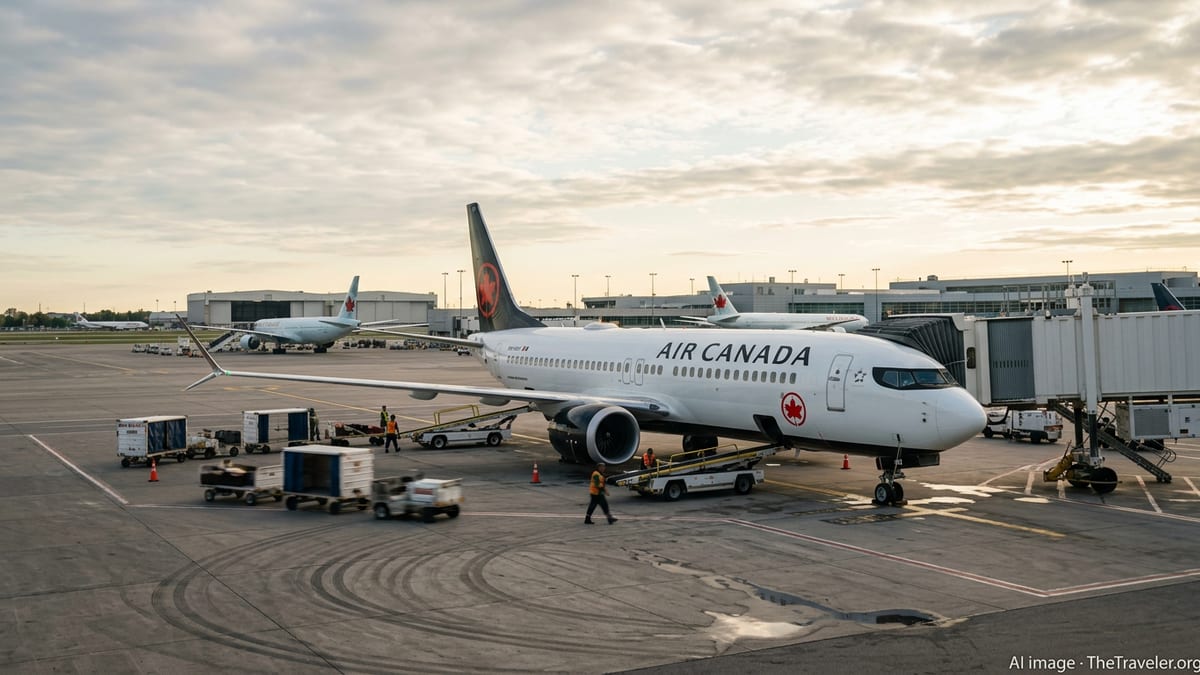
Air Canada has joined rival carriers WestJet, Air Transat and Flair in signing on to a new federal fuel relief program worth 107 million Canadian dollars, highlighting how a fresh spike in jet fuel prices is reshaping airline finances and raising questions about fare pressure for travelers across North America and Europe.
Get the latest news straight to your inbox!
Ottawa Rolls Out Targeted Loan Facility for Canadian Airlines
According to federal announcements published in early June, the Government of Canada has introduced a Liquidity for Airline Sector Resilience facility that links low-interest, repayable loans directly to the recent jump in jet fuel costs. The total allocation for the first tranche of support is 107 million Canadian dollars, aimed at large and mid sized carriers that can demonstrate significant cost escalation tied to fuel.
Publicly available information indicates that WestJet, Air Transat and ultra low cost carrier Flair were among the first to access the new funding, largely to stabilize cash flow and maintain schedules during the peak summer travel period. Air Canada has now joined the program, adding considerable scale to the facility given its dominant share of Canada’s domestic and long haul markets.
Federal background material describes the loans as temporary and conditional, with participating airlines required to maintain Canadian operations, limit shareholder payouts and comply with existing labour and consumer regulations. The structure is designed to mirror earlier pandemic era support in form, while being explicitly tied to fuel price volatility rather than broader balance sheet distress.
The airline specific loans sit alongside a temporary suspension of the federal excise tax on aviation fuel that took effect in April and is scheduled to run through early September. That tax change is expected to provide sector wide relief at the pump, while the loan facility is intended to help individual carriers bridge the immediate gap between fuel outlays and ticket revenue.
Jet Fuel Shock Ripples Across Global Aviation
The Canadian measures arrive as spot prices for jet fuel have climbed sharply on the back of renewed geopolitical tensions and supply constraints in key refining hubs. Industry fuel trackers show benchmark kerosene prices moving to levels seen only a few times since the early 1990s, squeezing airlines that had only recently rebuilt balance sheets after the pandemic downturn.
Airlines in the United States and European Union are experiencing similar pressures but with different policy responses. Major U.S. carriers have been leaning heavily on fuel hedging strategies and capacity adjustments, with several warning in recent investor updates that they expect to recover only a portion of fuel cost increases through higher fares and surcharges. In Europe, where environmental levies and sustainable aviation fuel mandates already influence pricing, higher fossil fuel costs are interacting with climate policy to create a more complex cost environment.
For Canadian airlines, the current surge is particularly acute because long haul networks to transatlantic and transpacific destinations are fuel intensive and less flexible to rapid capacity cuts. Industry financial filings for 2025 already showed fuel as one of the largest line items for carriers such as Air Canada and Air Transat; the latest jump in prices has accelerated pressure just as demand for international leisure travel remains robust.
Airport and tourism stakeholders are watching the trend closely, as sustained higher operating costs can translate into reduced route frequency, thinner seasonal networks and higher ticket prices, especially to secondary cities. The federal loan program is being framed as a way to bridge this period of volatility without triggering abrupt cuts that could undermine regional connectivity.
What the 107 Million Dollar Facility Means for Travelers
For passengers, the immediate question is whether Ottawa’s fuel relief measures will translate into lower fares or simply slow the pace of increases that airlines were already planning. Industry pricing data and published airline commentary suggest that carriers have been adding fuel surcharges and selectively raising base fares since early spring, in both domestic and transborder markets.
The structure of the loan facility does not require airlines to roll back existing surcharges, but it does aim to preserve seat capacity and avoid more aggressive schedule reductions. In practical terms, the support may mean that Canadians see fewer outright route cancellations than they might have otherwise, even if advertised sale fares remain higher than in previous summers.
Air Canada’s participation is particularly significant for travelers because of its role in connecting Canadian hubs with U.S. and European cities. If the loans help the flag carrier maintain wide body capacity on key transatlantic and sun routes, competition with WestJet, Transat and Flair may remain more balanced, which could moderate fare escalation on popular leisure corridors.
Consumer advocates are expected to scrutinize how the new support interacts with Canada’s air passenger protection rules, which set out minimum standards for refunds and compensation during cancellations and long delays. As carriers point to fuel costs in their network decisions, travelers will be watching whether service disruptions attributed to cost pressures trigger the same remedies as those linked to operational or weather issues.
U.S. and EU Carriers Grapple With Fewer Safety Nets
While Canadian airlines now have access to a dedicated federal fuel relief tool, many counterparts in the United States and European Union are operating without comparable, sector specific loan programs tied directly to jet prices. In those markets, governments have so far relied more on general economic measures and, in some cases, reduced energy taxes, leaving airlines to absorb volatility through their own financial strategies.
Large U.S. carriers such as American, Delta and United entered the current spike with relatively strong liquidity positions but remain cautious about additional debt after heavy borrowing during the pandemic. Several have flagged fuel as the primary variable in their 2026 guidance, warning that further price swings could translate into additional fare hikes, capacity trims or slower growth in new routes.
In Europe, legacy groups and low cost giants alike are contending with layered pressures from jet fuel markets and tightening climate policy. Carriers face growing obligations to blend sustainable aviation fuels on certain routes and to comply with expanding emissions trading schemes, even as traditional fuel prices jump. Analysts covering the region note that this combination leaves less room for governments to introduce direct fuel subsidies without complicating environmental goals.
The contrast with Canada’s more targeted, time limited approach is striking for industry observers. Ottawa’s program is pitched as a temporary bridge linked to a discrete fuel shock, while U.S. and EU carriers appear set to navigate the turbulence primarily through market based responses, cost cuts and pricing power, outcomes that travelers could feel in reduced seat availability and higher average fares.
Competitive Stakes in Canada’s Crowded Leisure Market
Beyond immediate fuel relief, the 107 million dollar loan facility is shaping up as a test of competitive dynamics in Canada’s leisure focused aviation market. Air Canada and WestJet, the country’s two largest airlines, have been locked in a long running contest over domestic and sun destination traffic, while Air Transat and Flair fight for price sensitive holidaymakers.
Access to low cost federal liquidity could help smaller players like Flair and Transat withstand short term fuel spikes that might otherwise force deep schedule cuts or fare increases that erode their low cost value proposition. At the same time, the eligibility criteria and conditions may favour airlines with stronger balance sheets and clearer paths to repayment, potentially reinforcing the position of the largest incumbents.
For travelers, the outcome will influence how much real choice exists on routes to southern U.S. beaches, Caribbean resorts and European city breaks, where competition has historically delivered sharper pricing. If all four participating carriers use the loans to sustain or even expand their offerings through the fuel shock, Canadian consumers could see a more resilient menu of options despite higher underlying costs.
The coming months will test whether Ottawa’s bet on targeted, conditional fuel relief can ease the pressure of a global jet fuel surge without diluting environmental commitments or distorting competition. For now, Air Canada’s decision to line up with WestJet, Transat and Flair under the program underscores how pervasive the latest fuel shock has become across the airline industry, from dominant legacy carriers to upstart ultra low cost challengers.