


More news on this day
Flight operations at Ahmedabad’s Sardar Vallabhbhai Patel International Airport were disrupted on Saturday after heavy rain and waterlogging led to delays for 36 services and the cancellation of four flights, affecting hundreds of passengers at one of western India’s busiest aviation hubs.
Get the latest news straight to your inbox!
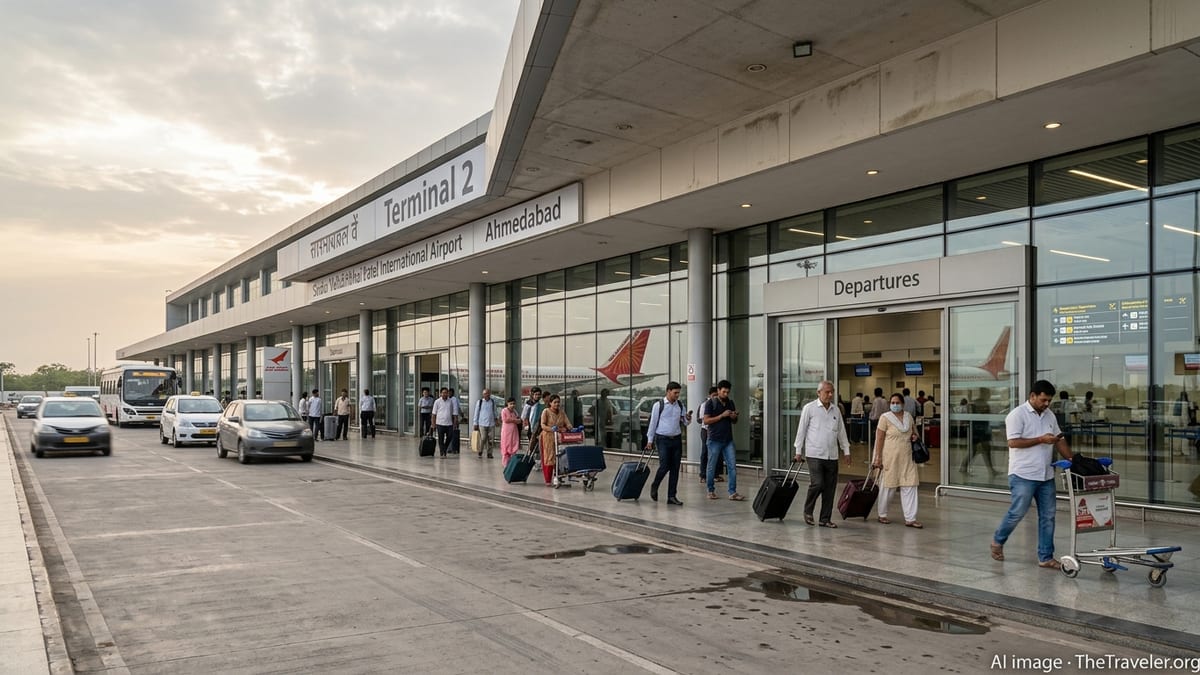
Downpour and waterlogging slow a key regional hub
Published coverage from local media indicates that intense rainfall over Ahmedabad on July 25 led to significant waterlogging on airport access roads and in some operational areas, triggering a cascading impact on flight schedules. The affected services included both arrivals and departures, with delays accumulating through the morning and into the afternoon as aircraft and crew were repositioned.
Reports describe the disruption as concentrated at Sardar Vallabhbhai Patel International Airport, which serves as Gujarat’s primary aviation gateway and a key domestic connector for metro cities including Delhi, Mumbai, Bengaluru and Hyderabad. International links to West Asia are also a growing segment of traffic, meaning even a short operational slowdown can quickly translate into missed connections and crowded terminals.
Information available from airport data aggregators shows that Ahmedabad typically records a relatively modest cancellation rate compared with other busy Indian hubs. On this occasion, however, the combination of sustained rain, reduced visibility at times and slower ground handling contributed to a sharp, short-term spike in delayed and cancelled movements.
Passenger accounts shared on social platforms during the morning spoke of long queues at check in and security, backed-up baggage belts and lengthy waits on board aircraft already pushed back from gates. Some travellers reported that even flights which did eventually depart faced extended holding times before take off.
Airlines issue advisories as delays mount
According to publicly available information from carriers, a number of airlines operating from Ahmedabad, including major low cost operators, issued travel advisories acknowledging weather-related disruption. These alerts drew attention to longer processing times at the airport and urged passengers to verify the latest status of their flights before setting out.
Advisories circulating on Saturday morning specifically referenced adverse weather in Ahmedabad and warned of possible ripple effects on services across domestic networks. In several cases, airlines encouraged customers to use mobile applications or websites for live status checks and, where permitted by policy, to modify bookings without additional charges.
Operational data and media reports together indicate that while 36 flights were delayed and four cancelled within a relatively short window, the impact was uneven across airlines and routes. Some early morning departures left mostly on time, while mid-morning and early afternoon services experienced the brunt of the congestion as aircraft arriving late from other cities led to further knock-on delays.
Travel industry commentators note that Indian carriers routinely build some weather and congestion buffers into their schedules during the monsoon period, but intense, localized downpours of the kind seen in Ahmedabad can still overwhelm those margins, especially when ground infrastructure is temporarily constrained by standing water.
Monsoon vulnerabilities exposed once again
The latest disruption adds to a pattern of weather-related challenges that resurface at Ahmedabad airport during heavy rain events. Historical coverage has documented episodes of significant water accumulation on parts of the airfield and adjacent access roads, even when flight operations were formally described as continuing without major interruption.
Recent monsoon seasons across Gujarat have seen wider transport networks strained, with rail and road links periodically affected by flooding. Aviation has generally remained more resilient, but the current episode underlines how quickly localized downpours can translate into real-time delays for passengers, particularly at airports with limited scope for rapid rerouting of traffic.
Public aviation information on Ahmedabad highlights ongoing efforts to strengthen airside infrastructure, including taxiway extensions and airfield system upgrades designed to improve the flow of traffic and reduce congestion in peak periods. When extreme weather coincides with high utilisation, however, these enhancements can only partially offset the constraints created by reduced ground mobility and safety-related spacing between departures and arrivals.
Observers of Indian aviation point out that while large metro airports like Delhi and Mumbai often attract attention for delays, regional hubs such as Ahmedabad can be more exposed during intense local storms, as they typically handle fewer parallel operations and have less spare capacity to absorb sudden schedule shocks.
Passengers urged to plan extra time and monitor updates
Publicly accessible advisories from airlines and airport information channels in the wake of Saturday’s disruption emphasised standard precautions for travellers during unsettled monsoon conditions. Passengers were encouraged to arrive earlier than usual to account for slower road traffic, longer queues at security and check in, and potential gate changes.
Independent travel guidance commonly recommends that passengers flying from Ahmedabad during periods of heavy rain keep mobile notifications enabled, monitor airline channels closely and prepare for the possibility of extended waiting times in the terminal. For those with tight onward connections, some travel planners advise scheduling longer layovers or considering alternative routings where feasible.
Consumer rights information related to Indian civil aviation regulations also becomes particularly relevant when delays stretch to several hours or flights are cancelled altogether. While specific entitlements vary depending on the cause of disruption and airline policy, publicly available guidance encourages passengers to retain boarding passes and receipts and to seek clarity from carrier communication channels regarding rebooking options or any applicable assistance.
Saturday’s disruption at Ahmedabad highlights once more how quickly monsoon weather can ripple through tightly timed aviation networks. With more intense rainfall episodes projected for parts of India in coming years, industry observers suggest that both infrastructure resilience and clear, timely information for passengers will remain central to managing similar events in future.