


More news on this day
Early summer travel through Halifax Stanfield International Airport has included a small but noticeable bump in disruption for passengers flying with Air Canada and WestJet, with three delays and three cancellations affecting June 2026 operations.
Get the latest news straight to your inbox!
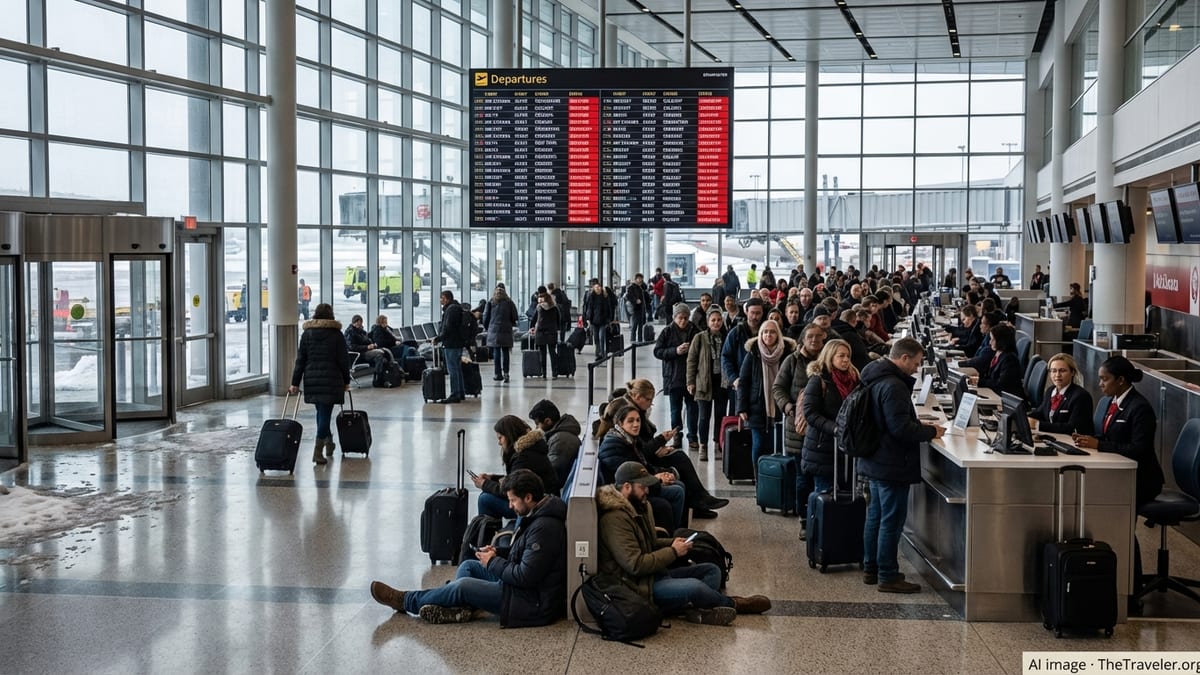
Modest Disruption as Summer Travel Ramps Up
Publicly available airport tracking data and schedule information indicate that, as June 2026 gets underway, Halifax Stanfield is experiencing generally stable operations, with only a limited cluster of issues affecting Air Canada and WestJet departures and arrivals. Within that broader stability, three delays and three cancellations involving the two carriers stand out for travelers connecting through the Nova Scotia hub.
The disruptions are comparatively minor in numerical terms, especially against a backdrop of steadily growing summer schedules. Halifax Stanfield handles flights for roughly a dozen airlines and has seen its international network expand for the 2026 summer season, including transatlantic links and added leisure routes. Within that wider system, a handful of delayed and canceled flights on two Canadian carriers registers more as a caution flag than a sign of systemic trouble.
Nonetheless, for passengers booked on the affected services, the impact is practical and immediate. Delays can compress connection windows at larger hubs such as Toronto and Montreal, while outright cancellations require rebooking, potential overnight stays, and adjustments to vacation or business plans at the start of the key summer period.
Operational data and recent coverage of broader Canadian flight disruption suggest that these Halifax issues form part of a patchwork of irregular operations across the country in late spring and early summer, driven by a mix of weather, airspace constraints, aircraft availability and high seasonal demand.
Patterns Behind the Three Delays
Available flight tracking records for early June show that the three Air Canada and WestJet delays at Halifax Stanfield are clustered around busy bank periods, when multiple departures are scheduled within tight timeframes. Such periods increase the sensitivity of operations: any upstream late arrival, extended turnaround, or air traffic management restriction can cause knock-on effects for subsequent flights.
In several recent cases at Canadian and U.S. airports, similar delay clusters have been linked to ground delay programs, runway or airspace capacity limits, and weather systems along key corridors rather than isolated issues specific to any one carrier. Reports on North American operations in early June point to recurring bottlenecks at large hubs, from Toronto Pearson to New York–area airports, that can ripple out to secondary airports including Halifax.
For travelers, the three Halifax delays in June typically translate into departure times pushed back by anywhere from under an hour to several hours. While shorter delays may only affect airport wait times, longer disruptions can jeopardize same-day connections, particularly for passengers heading onward to transcontinental or transatlantic flights that operate only once daily.
Air passenger rights guidance in Canada emphasizes that travelers facing extended delays should keep boarding passes, receipts, and written communications from airlines, as compensation or reimbursement can depend on whether the cause is within the carrier’s control or tied to external factors such as severe weather or air traffic control directives.
Three Cancellations Underscore Pressure on Schedules
Alongside the delays, three Air Canada and WestJet cancellations linked to Halifax operations in June 2026 underscore how tightly balanced airline schedules can be during the peak season. Industry commentary and recent regulatory decisions highlight that both carriers are under scrutiny over their handling of irregular operations, including how they rebook passengers and communicate options when flights do not operate as planned.
Cancellations are more disruptive than delays because they require a complete change of itinerary. In practical terms, affected Halifax passengers may be shifted to later same-day departures, routed through alternative hubs, or, in some cases, moved to flights on partner airlines where interline agreements allow. With Halifax offering limited daily frequencies on some routes, re-accommodating everyone from a canceled flight can be challenging on busy summer dates.
Recent analyses of Canadian network disruptions point to several recurring drivers of cancellations: aircraft rotations that leave little slack in the system, weather that triggers cascading schedule changes, and high demand that makes it difficult to find spare seats for rebooked travelers. Halifax’s growing role as a transatlantic and leisure gateway for both Air Canada and WestJet adds another layer, as missed connections on longer-haul services are harder to recover within the same travel day.
For passengers, checking flight status early and often remains essential. Travel advisories and airport departure boards can offer advance warning of potential cancellations, and travelers who are flexible with dates or routing sometimes secure alternatives more quickly by proactively exploring options as soon as irregular operations appear likely.
Halifax’s Expanding Role in Canadian Air Travel
The June disruptions come as Halifax Stanfield continues to expand its profile within the Canadian air network. Industry databases and route announcements for the 2026 summer season show a notable increase in international and transatlantic capacity, including European routes and additional sun destinations served seasonally by Air Canada, WestJet and other carriers.
Halifax’s position on the Atlantic coast makes it a logical launch point for flights to Europe and the Caribbean, and the 2026 schedule reflects growing interest from both full-service and leisure-focused airlines. Air Canada remains the largest operator at the airport by number of departures, while WestJet maintains a presence on domestic and select international routes, adding competitive pressure on key city pairs.
The airport’s evolving role means that even a small cluster of delays and cancellations can have outsized effects on certain itineraries, especially for travelers relying on once-daily or limited-frequency flights. Missed connections may affect not only onward segments but also cruise departures, tour starts, or other fixed-schedule travel products that cluster around Halifax’s growing tourism economy.
At the same time, the overall disruption levels seen so far in June 2026 appear modest relative to the airport’s increasing traffic and the broader challenges affecting air travel across North America. For most passengers passing through Halifax, flights continue to operate close to schedule, and the airport is generally functioning as a reliable connecting point.
What Travelers Can Do When Disruption Hits
The cluster of three delays and three cancellations involving Air Canada and WestJet at Halifax provides a timely reminder of how travelers can prepare for irregular operations. Consumer advocacy information in Canada consistently recommends that passengers familiarize themselves with airline policies, keep digital copies of itineraries, and monitor flight status from at least 24 hours before departure.
For those departing from or arriving in Halifax, building some buffer time into connections, particularly when linking to long-haul or international services, can reduce the risk of missed onward flights. Booking longer connection windows, especially through busy hubs like Toronto and Montreal, offers added protection when upstream delays emerge.
When cancellations occur, passengers are generally advised to act quickly but calmly, using multiple channels such as mobile apps, airport service counters, and call centers to seek alternatives. In situations where multiple carriers experience disruption simultaneously, online tools and third-party flight trackers can provide a broader view of available options beyond a single airline’s network.
With Halifax Stanfield poised for a busy summer 2026, the recent set of disruptions affecting Air Canada and WestJet illustrates that even a relatively small number of delays and cancellations can be significant for those directly involved. For most travelers, however, the airport remains a functioning hub where a bit of preparation and flexibility can go a long way toward keeping journeys on track.