


More news on this day
Air New Zealand is cautioning passengers to brace for possible flight changes over the coming long weekend, as wintry weather systems and hazardous road conditions raise the risk of disruption across parts of the country.
Get the latest news straight to your inbox!
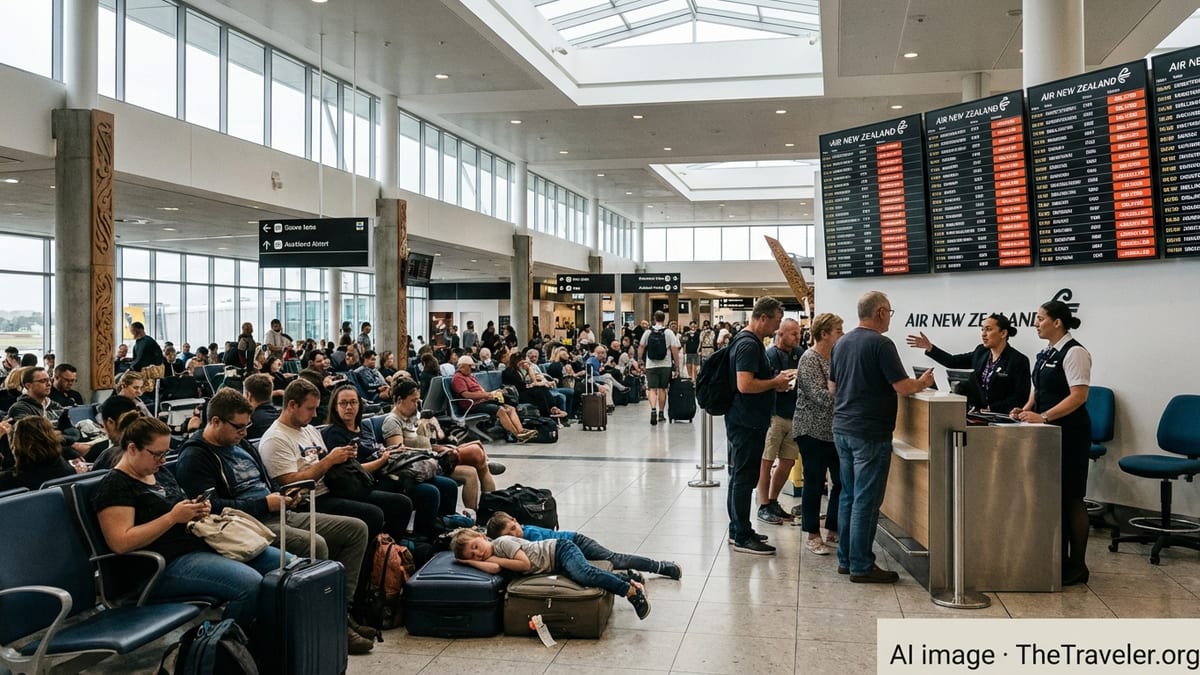
Weather systems coincide with peak holiday travel
The long weekend is set to coincide with an active run of winter weather, with forecasts pointing to heavy rain, strong winds and snow on some key inland routes. Publicly available information from New Zealand’s national forecaster indicates that cold fronts and unstable conditions are likely to affect parts of the South Island and central North Island around the peak getaway period, increasing the chance of low cloud, turbulence and crosswinds at several airports.
Transport bulletins from New Zealand’s national highway authority in recent days have also highlighted surface flooding, ice and the potential for road closures on some state highways, particularly in Otago, northern Southland and through alpine passes. These conditions can have a knock-on effect for domestic aviation, as aircraft and crew struggle to move efficiently around the network when roads to and from airports are constrained.
Independent weather outlets focusing on New Zealand travel patterns note that long weekends often bring a patchwork of conditions, with large areas of settled weather interrupted by bands of rain and wind moving quickly across both main islands. For airlines, that mix can mean relatively normal operations in some regions while others experience delays, diversions or cancellations at short notice.
With leisure and family travel surging during school holidays and public breaks, industry observers say any bout of unsettled weather tends to have an outsized impact, filling alternative flights quickly and stretching accommodation capacity in key hubs such as Auckland, Wellington, Christchurch and Queenstown.
Air NZ outlines disruption policies and options
Air New Zealand’s customer guidance on disruption makes clear that adverse weather is treated as an event outside the airline’s control, which means standard ticket conditions usually apply for refunds or compensation. However, the carrier’s published customer service and tarmac delay plans emphasise that it will attempt to rebook affected travellers on the next available service, including partner airlines on some routes, where seats allow.
The airline’s online disruption hub encourages passengers whose flights have been changed or cancelled to use self-service tools first, entering their booking reference to review rebooking, credit or change options. Where weather is the cause, the emphasis is on finding an alternative flight rather than on hotel or meal coverage, which is typically not offered when conditions are beyond the airline’s control.
Information sheets on domestic flight disruptions indicate that when weather forces a cancellation, customers can generally move to another Air New Zealand flight to the same destination without paying additional fare differences, subject to seat availability. For international sectors, the airline’s customer service plan outlines time frames under which staff will try to secure a replacement departure, though exact options can vary depending on route, load factors and partner capacity.
Air New Zealand’s recent climate and resilience disclosures also acknowledge that more frequent and intense weather events are creating operational challenges, from diversions and extended ground times to changes in maintenance requirements. The airline notes that the financial impact of weather-related disruption is difficult to quantify, but that it expects acute events to remain a material risk in the short to medium term.
Travellers urged to plan ahead and stay flexible
With multiple agencies flagging rough conditions on roads and in the air, travel experts are advising passengers to build extra time and flexibility into their long weekend itineraries. That includes allowing longer connections between domestic and international legs, particularly when travelling through weather-prone hubs such as Wellington or Queenstown, where strong winds, fog or low cloud can quickly disrupt schedules.
For those driving to regional airports, road safety bulletins stress the importance of checking highway advisories on the day of travel, especially where snow, ice or flooding is expected. Slower traffic or temporary closures on key corridors can cause knock-on delays at check in and boarding, raising the risk of missed flights even when airline operations are otherwise running to plan.
Travel insurance specialists frequently recommend that passengers review their policies before departure to understand what is covered in the event of weather disruption. Many policies offer some protection for additional accommodation and alternative transport when delays extend beyond a set number of hours, although coverage varies widely by product and destination.
Consumer advocates also suggest travellers keep digital copies of itineraries, receipts and any communication from the airline about changes, as these can be important when lodging insurance claims or seeking reimbursement for out-of-pocket costs once the long weekend rush has passed.
How to monitor flights and minimise disruption
Air New Zealand’s digital tools play a central role in how the airline communicates during fast-moving weather events. Passengers are encouraged to download the airline app or sign up for travel alerts by email and text, which provide live information on gate changes, delays and cancellations as they occur. These systems can often notify travellers of a disruption before they arrive at the airport, giving them more time to adjust plans.
The airline’s public guidance also recommends checking flight status on the day of departure and again shortly before leaving for the airport, particularly when severe weather watches or warnings are in place. Where self-service rebooking is available, seats on alternative services can be snapped up quickly once a wave of cancellations is announced, making early action critical for securing preferred options.
Airport operators and local transport agencies, especially in larger centres, frequently issue their own advisories about congestion, parking constraints and public transport adjustments during busy or weather-affected periods. Keeping an eye on these updates can help passengers choose the most reliable way to reach the terminal and avoid further delays caused by traffic snarls or reduced train and bus timetables.
Travel commentators say that while some disruption is inevitable when winter storms coincide with a nationwide holiday, simple steps such as travelling with carry-on only where practical, pre-purchasing flexible fares and keeping essentials like medication, chargers and a change of clothes in a cabin bag can make an unexpected overnight delay more manageable.
Broader pattern of weather-related travel challenges
The warning ahead of the long weekend comes amid a broader pattern of weather-linked disruption to New Zealand’s transport network over recent seasons. Heavy rain events have triggered landslides, washed-out roads and infrastructure damage in several regions, while strong wind events have affected sea crossings and harbour bridges, forcing speed restrictions or temporary closures.
Maritime operators in Cook Strait and other exposed coastal routes have reported repeated cancellations in recent winters as southerly swells and gale conditions make sailings unsafe or uncomfortable. These interruptions can compound the impact of flight disruption, especially for travellers who rely on connecting ferry or coach services to complete their journeys.
Local government statements following earlier long weekends have highlighted how even when the worst of a storm has passed, residual risks such as saturated ground, fallen trees and unstable slopes can continue to affect travel for days. That lingering vulnerability means airlines and road agencies may keep contingency plans in place well beyond the initial weather warning period.
For Air New Zealand and other carriers serving the country’s domestic and international markets, adapting to that evolving climate risk landscape is increasingly central to operational planning. As the long weekend approaches, the latest advisory serves as another reminder that flexibility, preparation and real-time information are becoming essential tools for anyone heading away during New Zealand’s volatile winter months.