


More news on this day
Air New Zealand is cautioning passengers to expect weather-related disruptions over the coming long weekend, as active fronts bringing heavy rain, strong winds and snow threaten to affect flights across parts of the country.
Get the latest news straight to your inbox!
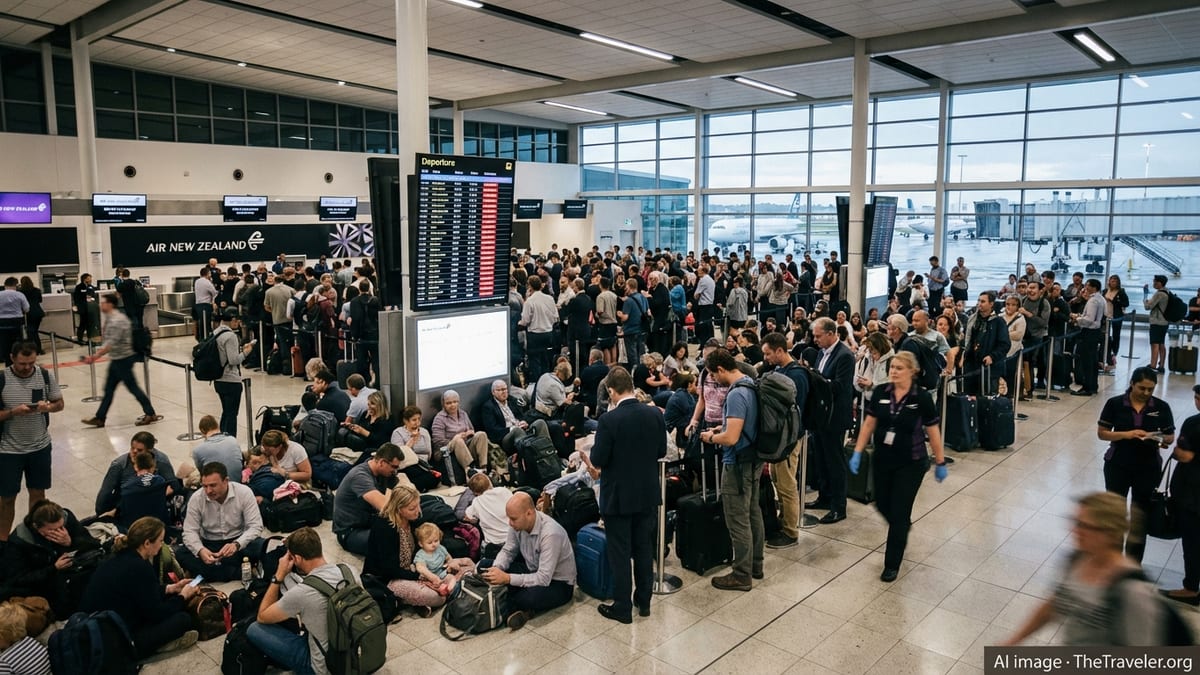
Unsettled conditions coincide with peak holiday travel
Forecasts for the upcoming long weekend indicate a mix of heavy rain, strong winds and wintry conditions across several regions, raising the likelihood of delays and cancellations on busy domestic and regional routes. Publicly available outlooks suggest that while some areas will remain relatively settled, bands of rain and gale-force gusts are expected to sweep across both islands, particularly affecting exposed coastal and alpine corridors.
The timing is challenging for airlines, with passenger numbers typically surging as travellers head away for short breaks and to visit family. High load factors reduce flexibility to move customers between services when weather affects specific flights, increasing the risk that disruption may cascade across the network.
Recent bulletins from New Zealand’s transport and weather agencies highlight the potential for snow and ice on inland highways, flooding in low-lying areas and low cloud or fog in key centres. These hazards can not only ground aircraft but also hamper access to and from airports, further complicating travel plans for holidaymakers.
In the lower South Island and central regions, snow and heavy rain are expected to coincide with the main departure and return windows, meaning early morning and late evening flights may be particularly vulnerable to disruption if conditions deteriorate.
Air New Zealand activates disruption protocols
Air New Zealand’s customer information pages note that adverse weather, air traffic control restrictions and operational considerations are among the leading causes of delays, cancellations and diversions. The airline’s customer service plans outline processes for rebooking travellers on the next available Air New Zealand service or a partner carrier when flights are disrupted for safety reasons.
When severe weather affects parts of the network, the airline typically activates flexible travel policies, allowing customers booked to travel on affected days or routes to move their journey without standard change fees, subject to fare conditions and seat availability. Such measures aim to spread demand over a wider window and reduce congestion at peak times if disruption escalates.
Air New Zealand’s publicly available climate and risk disclosures also acknowledge that increasing frequency and intensity of extreme weather events is already placing additional pressure on operations. The airline notes that storms, heavy rainfall and strong winds can trigger last-minute schedule changes, diversions and maintenance demands, all of which can have flow-on effects for customers and crew.
Travellers are being urged via airline channels to ensure their contact details are up to date in booking profiles and apps, so that text and email alerts about any schedule changes can reach them promptly over the long weekend.
Key routes and regional hotspots to watch
The combination of strong winds and heavy rain is likely to be most disruptive on exposed regional services, particularly those operating into airports with short runways or challenging terrain. Flights linking major centres with coastal and hill-country destinations may face increased risk of turbulence, crosswinds and low visibility, all factors that can lead to tighter operating limits.
Routes crossing mountain passes or skirting alpine regions are also susceptible when snow settles at altitude. Air New Zealand and other carriers routinely adjust approach paths, payloads and schedules in such conditions, and in some cases may temporarily suspend services if safety margins are reduced too far by crosswinds, icing or wind shear.
Ground transport links are another weak point. Transport authorities are already advising motorists in parts of Otago, Canterbury and inland North Island to prepare for potential closures, especially on higher passes and flood-prone stretches of state highway. If roads into regional airports are affected, some passengers may struggle to reach check-in on time even when flights remain scheduled, adding another layer of complexity to long-weekend travel.
Cook Strait ferry services and inter-island connections, which often operate near capacity on long weekends, can also be disrupted during periods of large swells and strong winds. Any cancellations there may further increase demand on already busy domestic air routes, narrowing rebooking options when aviation weather windows reopen.
What travellers can do before heading to the airport
Travel experts recommend that passengers leaving during the long weekend build additional time into their journeys and plan as if delays are likely, rather than exceptional. Checking flight status through airline apps or airport information boards before leaving home is widely regarded as a key first step, especially for early-morning departures that may be affected by overnight weather developments.
Passengers connecting between domestic and international services are advised to reconsider tight connections and, where possible, choose itineraries that allow a comfortable buffer between flights. Longer layovers can reduce stress if the first leg is delayed due to poor weather, while still providing reasonable certainty of reaching the final destination the same day.
Travel insurance that covers weather-related disruption can provide a financial safety net for accommodation, meals and alternative transport when schedules unravel. Policy wording varies, so customers are encouraged to review their cover before departure and keep receipts for any unplanned expenses that may be eligible for reimbursement.
At the airport, carrying essential medication, snacks, power banks and warm clothing in cabin baggage can make lengthy waits more manageable if aircraft are temporarily grounded. Families travelling with young children, and those with specific health or mobility needs, may wish to build contingency plans in case overnight stays or extended delays become unavoidable.
Managing expectations as extreme weather becomes more common
The heightened warning from Air New Zealand comes amid broader recognition that weather disruption is likely to remain a recurring feature of travel within and to New Zealand. Successive seasons of heavy rain, strong wind events and coastal storms have already led to road closures, flight cancellations and capacity constraints across several long weekends in recent years.
Industry analyses suggest that airlines and transport agencies are investing more in forecasting tools, resilience planning and communication systems to handle these events. Nevertheless, the combination of limited alternative routes, challenging geography and high seasonal demand means that even well-prepared operators may struggle to keep every service running when severe systems move through.
For travellers, that reality translates into a need for greater flexibility around departure times and itineraries. Booking earlier flights on peak days, allowing room for schedule changes and staying informed through official weather and transport channels can all help reduce the risk of missed events or onward connections.
With another unsettled long weekend on the horizon, the message from publicly available airline and transport guidance is clear: expect the possibility of disruption, plan for contingencies, and stay closely tuned to updates as conditions evolve across the country.