

More news on this day
Serbian leisure travelers have gained a new shortcut to the Adriatic this summer, as Air Serbia introduces seasonal direct flights from Belgrade to Brač Island in Croatia, positioning the Dalmatian hideaway as a fresh weekend and holiday escape for passengers from Serbia and across the wider region.
Get the latest news straight to your inbox!
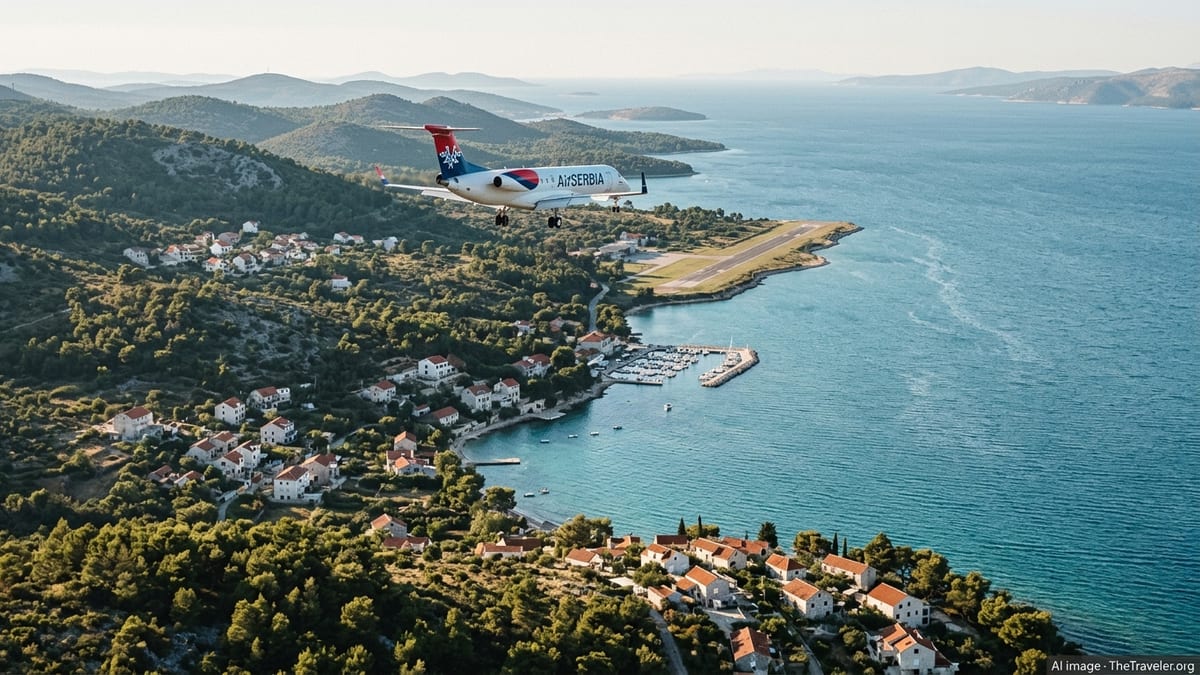
New Seasonal Link From Belgrade to the Adriatic
According to recently published flight information and regional aviation coverage, Air Serbia is adding Brač Airport to its network as a seasonal destination in summer 2026. The new route will connect Belgrade Nikola Tesla Airport with Croatia’s Brač Island, one of the central Dalmatian islands, giving Serbian travelers a nonstop option to reach a popular Adriatic holiday spot that previously required at least one connection or a combination of flights, ferries and long road journeys.
Reports indicate that flights between Belgrade and Brač are scheduled to operate twice weekly, on Wednesdays and Saturdays, from 20 June to 12 September 2026. The operation is framed as a peak-summer service designed around holiday demand, with timings that allow extended weekends by the sea and week‑long stays during school holidays.
Publicly available data suggests that the route will likely be operated by regional aircraft suited to Brač’s shorter runway and limited airport infrastructure. This positions the service as a niche but high‑impact addition to Air Serbia’s growing leisure network, which has increasingly focused on Mediterranean islands and coastal cities in recent seasons.
While final operational details remain subject to schedule adjustments, the move underlines Belgrade’s evolving role as a gateway for summer tourism flows between Central and Eastern Europe and the Adriatic coast.
A Strategic Play in the Adriatic Leisure Market
The introduction of direct flights to Brač fits into a broader pattern of Air Serbia’s network development, in which the carrier has been steadily expanding its presence in key leisure markets. In recent years, the airline has reinforced its seasonal operations to Croatian and Montenegrin coastal cities and introduced new links to Greek islands and other Mediterranean resorts, reflecting rising demand from Serbian travelers for short-haul beach destinations.
By adding Brač to its map, the airline is entering a more specialized segment of the Adriatic market. Unlike larger hubs such as Split or Dubrovnik, Brač Airport serves a smaller but increasingly popular island that has invested in boutique hotels, villa rentals and active tourism, while still maintaining a quieter atmosphere than some of its better-known neighbors.
Aviation observers note that the Belgrade–Brač route may also serve as a test of demand for direct links to smaller island airports in the region. If the new service records solid load factors over the summer period, it could encourage further experimentation with point‑to‑point leisure routes from Belgrade to other secondary coastal gateways.
For Air Serbia, the route supports a dual objective: it adds another attractive holiday option for residents of Serbia, while also helping to attract transfer passengers from neighboring markets who are willing to route through Belgrade to reach Adriatic islands that currently have limited direct air service.
New Options for Travelers From Serbia and Beyond
For travelers based in Serbia, the new flights offer a significant time saving compared with traditional overland itineraries to the Croatian coast. Journeys that previously involved full‑day drives, border crossings and ferry schedules can now be condensed into a short hop from Belgrade, with easy access to Brač’s main resort towns once on the island.
The route also has potential appeal for passengers originating outside Serbia. Belgrade has developed into a regional transfer point, and publicly available route maps show that Air Serbia connects the Serbian capital with cities across Central and Eastern Europe, the Balkans and parts of Western Europe. This creates opportunities for travelers from countries such as Hungary, Romania, Bosnia and Herzegovina, North Macedonia and others to reach Brač via a single connection.
Travel industry analysts suggest that the Wednesday and Saturday pattern is likely intended to align with the most common holiday durations sold by regional tour operators. It also caters to independent travelers arranging long weekend escapes, particularly during the peak holiday months of July and August, when demand for coastal getaways typically spikes.
At the same time, the service broadens the appeal of Brač itself. Historically overshadowed by Split and Hvar, the island has been gaining visibility among travelers seeking a blend of beaches, outdoor activities and a calmer atmosphere, and a direct flight from a regional hub such as Belgrade is expected to support that trend.
Brač Island: From Hidden Gem to Accessible Summer Escape
Tourism profiles describe Brač as one of the largest islands in central Dalmatia, known for its dramatic karst landscapes, stone‑built villages and the distinctive Zlatni Rat beach near Bol, which is widely featured in regional travel media. The island has long attracted visitors from Central Europe, many of whom arrive by ferry from Split, but direct air links have historically been limited and seasonal.
By connecting directly to Belgrade, Brač gains new visibility among Serbian travelers who may previously have favored better‑known coastal destinations. The combination of relatively short flight time, compact island size and a mix of small hotels and private accommodation could prove especially attractive to families, couples and groups seeking a relaxed environment rather than large‑scale resort infrastructure.
Local tourism businesses are expected to monitor the Belgrade route closely, as additional air capacity can influence booking patterns and length of stay. While no formal impact assessments have yet been published, similar leisure routes in the Adriatic region have tended to stimulate higher‑spending segments of tourism, such as guests who book organized excursions, car rentals and premium seaside stays.
For destination marketers, the presence of a direct flight from a capital city can also support efforts to position Brač as a stand‑alone holiday choice rather than simply a side trip from Split. This may, over time, diversify the island’s visitor base and help smooth demand across the core summer weeks.
Belgrade’s Growing Role as a Regional Summer Hub
The decision to open a route to Brač also reflects Belgrade Airport’s ambitions as a regional hub for both business and leisure travel. Airport activity reports and airline announcements over the past two years show a pattern of new destinations being added in Europe, the Middle East and Asia, alongside a growing portfolio of seasonal services to coastal and island airports.
In this context, Brač joins a roster of summer destinations that help distribute traffic more evenly across the peak season, while offering connecting options onward to long‑haul flights. Travelers arriving in Belgrade from North America or key European gateways can, in many cases, connect onward to the Adriatic within the same travel day, using the Serbian capital as a convenient transfer point.
Industry commentators note that such niche routes can enhance the overall competitiveness of a hub by adding variety to the network and catering to evolving travel preferences, particularly the shift toward shorter, more frequent leisure trips. The Belgrade–Brač service, although limited in frequency, contributes to that strategy by linking a growing island destination directly with a fast‑developing regional hub.
As Air Serbia continues to refine its summer schedules, the performance of the new Brač route will likely be watched closely by both aviation analysts and tourism stakeholders across the Adriatic. Its success could influence future decisions on where and how the carrier expands its portfolio of direct flights to coastal and island destinations in the years ahead.