

More news on this day
Passengers traveling through London’s major airports are facing significant disruption as Virgin Atlantic, Air Canada, Lufthansa, SAS, Vueling Airlines, and several other carriers suspend at least nine services and report widespread delays, leaving travelers stranded across the UK at the height of the spring travel period.
Get the latest news straight to your inbox!
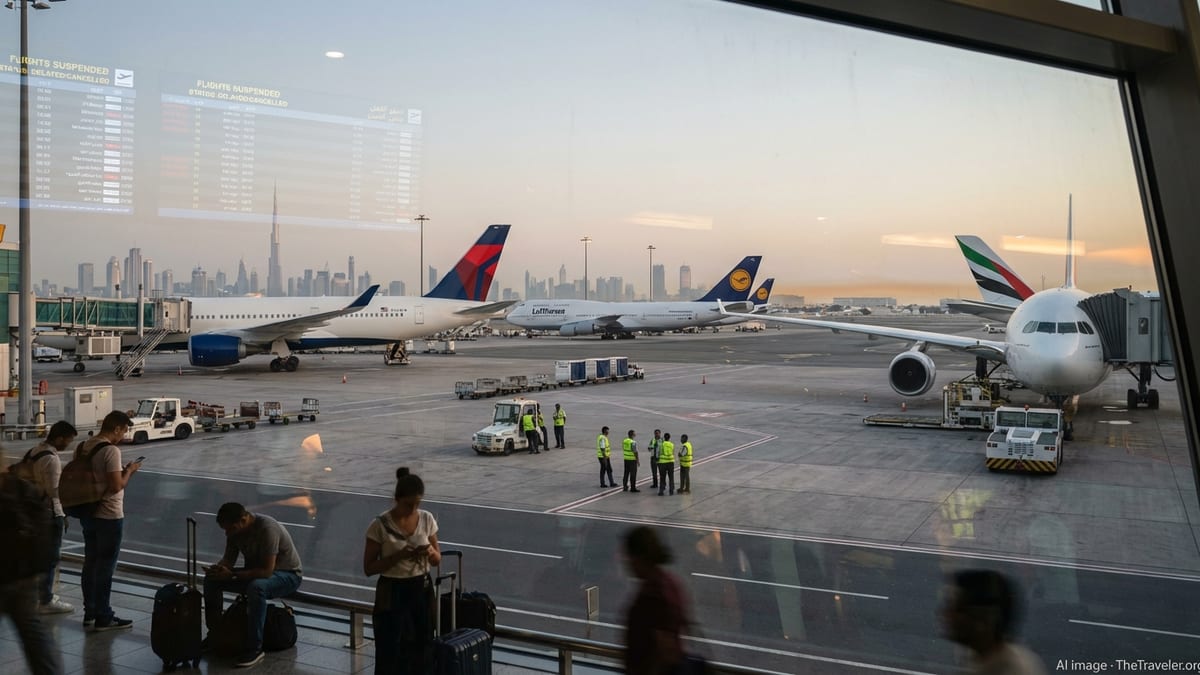
Widespread Cancellations Hit Heathrow, Gatwick and Beyond
Published data from aviation tracking services and travel-industry reports indicate that a fresh wave of disruption has swept across key European hubs, with London again among the hardest hit. Heathrow, Gatwick and other UK airports have recorded elevated levels of delayed and cancelled flights in recent days, compounding pressure on airlines already operating reduced schedules.
Aggregated figures from travel-analytics providers show that England, Spain, Germany, Denmark, Türkiye and the Netherlands collectively registered more than 1,600 delayed flights and close to 40 cancellations within a 24 hour period, with London featuring prominently among the affected cities. Heathrow alone has recently logged hundreds of delays and a double-digit number of cancellations on a single day, driven by a mix of long haul and European services.
The latest disruption has translated into at least nine suspended or cancelled flights on routes touching the UK, involving Virgin Atlantic, Air Canada, Lufthansa, SAS and Vueling Airlines, alongside other European and transatlantic carriers. While the number may appear modest compared with the overall daily schedule, aviation analysts note that cancellations concentrated at peak times can rapidly cascade into wider network delays.
Travel advisory bulletins from specialist firms describe crowded terminals, long queues at check in and security, and aircraft operating out of sequence as airlines attempt to reset their operations. Passenger advocacy groups report that some travelers have been forced to overnight in airport hotels or rebook onto flights several days later, particularly on heavily booked long haul routes.
Multiple Airlines Trim Schedules Amid Capacity and Airspace Pressures
The immediate wave of cancellations in London is unfolding against a broader backdrop of schedule reductions across European aviation. Recent industry coverage highlights that major airlines, including British Airways, Lufthansa, Virgin Atlantic, Air Canada, Air France and KLM, have been cutting or consolidating services in response to constrained airspace, fuel price volatility and continuing staffing challenges.
Virgin Atlantic, which concentrates most of its operations at London Heathrow, has adjusted transatlantic frequencies and is reported to have temporarily removed selected departures from schedule displays, including services to North America and Asia. In parallel, Lufthansa and Air Canada have each reduced rotations on some European and North Atlantic routes, limiting the options available to travelers seeking same day alternatives when disruptions occur.
Scandinavian carrier SAS and low cost operator Vueling are also facing heightened operational strain. Recent disruption statistics from European airports list both airlines among carriers experiencing notable numbers of delayed departures, particularly at Mediterranean and Northern European hubs. With Vueling a key operator at Barcelona and Rome and SAS a major player in Scandinavia, knock on effects are feeding into London services connecting through these hubs.
Industry observers point out that when several large airlines simultaneously trim capacity, even a relatively small cluster of cancelled flights can have an outsized impact. With fewer spare seats in the system, airlines have less flexibility to re accommodate passengers, leading to longer wait times for rebooking and a higher risk of travelers being stranded when services are disrupted at short notice.
Operational Faults and Congested Skies Expose System Fragility
Although the current disruption in London is spread across several carriers, it reflects a pattern seen repeatedly in recent years in which technical issues or localised bottlenecks have led to outsized consequences for air travel. Previous episodes have included major IT failures affecting airline check in systems, radar related glitches at UK air traffic control facilities and cyber incidents at third party providers serving European airports.
Recent summaries of UK aviation performance show that while overall punctuality improved through late 2025, the sector remained vulnerable to isolated system outages. A shutdown at a key airport or a temporary failure of a shared technology platform has, on past occasions, forced the suspension of hundreds of flights in a single day, with Heathrow and Gatwick particularly exposed because of their high utilisation and limited slack in runway and terminal capacity.
European disruption data from early 2026 again underlines how small triggers can create outsized ripple effects. A mix of weather related constraints, staffing shortages at air traffic control units and technical issues at airlines combined to generate well over 1,000 delayed flights on a single March day, many of them clustered at large hubs in England, France, Germany and Spain. Analysts note that the present wave of cancellations affecting London fits into this broader pattern of a tightly stretched system reacting sharply to relatively minor shocks.
Aviation specialists suggest that airlines and airports are still calibrating their operations to post pandemic demand, which has rebounded sharply on popular leisure and visiting friends and relatives routes. With aircraft and crews operating close to the limits of daily utilisation, even a small disruption in one corner of the network can force airlines to suspend services elsewhere to restore balance, as appears to be happening with selected Virgin Atlantic, Air Canada, Lufthansa, SAS and Vueling flights touching the UK.
Impact on Travelers and What Passengers Are Being Advised
For passengers caught up in the latest disruption, the immediate impact is being felt in longer journeys, missed connections and heightened uncertainty. Images and accounts shared across social media channels indicate crowded departure halls and long queues at airline service desks at Heathrow and Gatwick, while some regional UK airports have also reported knock on delays on feeder services.
Consumer guidance from travel rights organisations is urging passengers to monitor airline apps and departure boards closely, to keep boarding passes and receipts organised, and to seek written confirmation of any cancellation or long delay. Travelers are being advised to ask airlines about meal vouchers, hotel accommodation and alternative routing options where overnight stays or missed connections occur, particularly on journeys originating or terminating in London.
Publicly available information from the UK Civil Aviation Authority sets out the circumstances in which passengers may be entitled to care, rerouting and compensation when flights are cancelled or significantly delayed. Entitlements vary depending on the length of delay, the distance of the flight and the cause of the disruption, but in many cases airlines are expected to provide reasonable assistance and, where applicable, financial redress.
Travel advisors also note that, in a climate of frequent disruption, flexible booking policies and comprehensive travel insurance can offer additional protection. Policies that cover missed connections, enforced overnight stays and extra transport costs can help mitigate the financial impact when schedules unravel, especially at busy hubs such as Heathrow and Gatwick where capacity constraints make rapid recovery more challenging.
Outlook for UK and European Air Travel in the Coming Weeks
Forward looking commentary from airline executives and aviation consultancies suggests that UK and European air travel are likely to remain vulnerable to intermittent disruption through the coming weeks, particularly around peak weekends and holiday periods. Capacity constraints in certain airspace corridors, continuing shortages of technical and ground staff, and high aircraft utilisation levels all point to a system with limited room to absorb shocks.
Schedule reductions already announced by British Airways, Virgin Atlantic, Lufthansa, Air Canada and other carriers are framed as pre emptive steps intended to build additional resilience into operations and reduce the risk of large scale day of travel cancellations. However, these measures also mean that spare seats are likely to be scarce on popular London routes, raising the stakes for passengers when irregular operations occur.
Travel industry analysts recommend that passengers with imminent journeys through London consider allowing extra connection time, especially when itineraries involve separate tickets or self arranged transfers between Heathrow and Gatwick. Early online check in, close monitoring of flight status and being prepared with contingency plans, such as alternative routings or overnight accommodation options, can help reduce the stress of unexpected disruption.
For now, the latest wave of suspended flights and delays affecting Virgin Atlantic, Air Canada, Lufthansa, SAS, Vueling and other airlines serves as a reminder of the fragile equilibrium underpinning Europe’s busiest skies. With demand remaining strong and capacity finely balanced, even a relatively small cluster of cancelled services at London’s airports can quickly cascade into a broader travel headache for passengers across the UK and beyond.