


More news on this day
Travellers heading into the heart of the summer holiday period are being warned to brace for delays as airport and aviation workers in several countries prepare to walk off the job in pay and staffing disputes.
Get the latest news straight to your inbox!
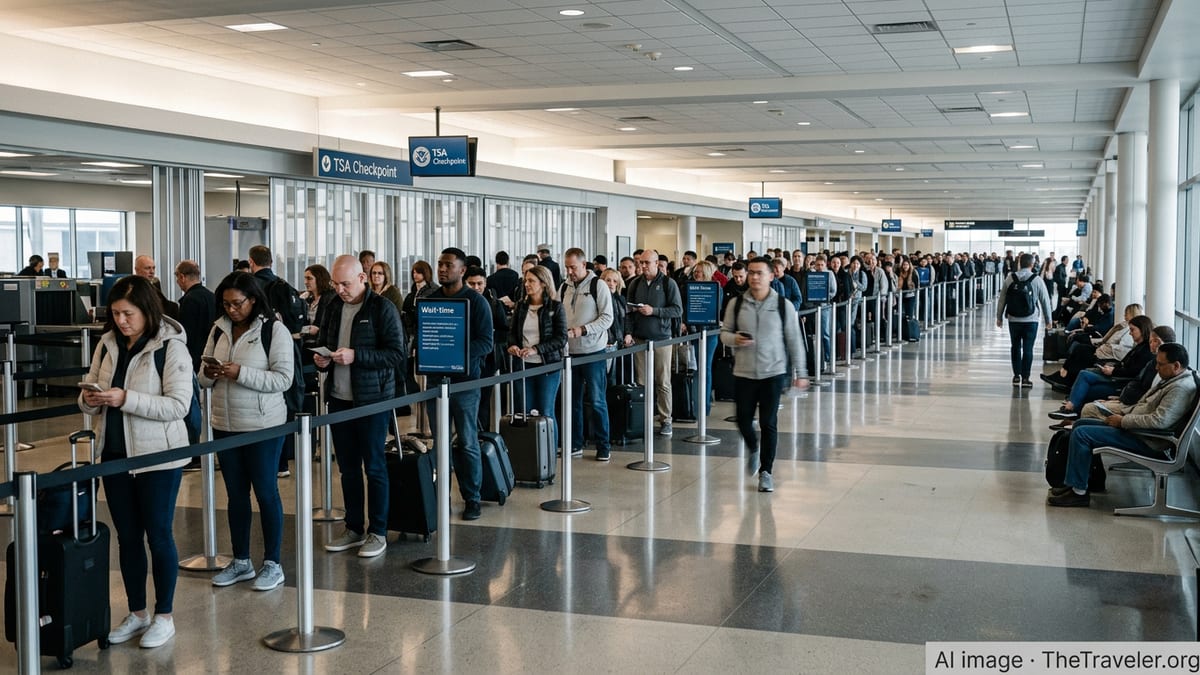
Wave of strikes hits peak holiday season
Published coverage in recent weeks points to a patchwork of industrial disputes converging on some of the busiest travel days of the year, raising the risk of disruption from check-in desks to security lanes and baggage belts. Actions range from short, targeted stoppages at single airports to broader national strikes affecting aviation alongside rail and other public transport.
In the United Kingdom, reports highlight a rolling programme of 14 strike days by security staff at Aberdeen Airport through July and into early August, following a breakdown in pay talks. The walkouts, concentrated in peak holiday weeks, are expected to lengthen security queues and could push airlines to retime or consolidate departures to keep schedules moving.
Elsewhere in Europe, Italy faces a new round of industrial action as transport unions call a 24-hour nationwide strike that includes airport workers. Notices from airlines warn that the stoppage may disrupt operations at major gateways such as Milan and Rome, with some carriers pre-emptively adjusting timetables and advising passengers to check flight status before heading to the airport.
In Portugal, previous coverage from European outlets flagged a nationwide strike involving aviation staff among other sectors, with hundreds of flights listed as at risk. Although the exact level of disruption varies by airport and day, the pattern underlines how local labour disputes can quickly ripple out across international networks during peak season.
Recent walkouts show scale of potential disruption
Recent stoppages offer a clear indication of what travellers may face when workers walk off the job. At Brussels Airport, a spontaneous strike by ground-handling staff earlier in the summer led to delayed or disrupted departures for dozens of flights within a single morning, before operations gradually stabilised the following day. Airline ground staff are critical for check-in, boarding and baggage, so even a brief work stoppage can cascade across a tightly timed schedule.
In Cyprus, a nationwide labour stoppage on 9 July translated into hours-long queues at Larnaca Airport. Local reports described snaking lines stretching from check-in areas through to security, with at least 20 flights rescheduled over a short afternoon window as staffing levels dipped. The disruption underscored how quickly queues can build when staffing and flight volumes fall out of sync.
Beyond Europe, labour tensions in aviation are also visible. In Australia, union demonstrations at major airports, including the new Western Sydney Airport, have drawn attention to pay and job security in ground operations and contracted services. While some of these actions stop short of full-scale strikes, they illustrate a wider debate over working conditions across the sector as traffic rebounds, often faster than staffing and investment.
Recent experience in North America offers another point of comparison. A strike by Air Canada flight attendants in 2025 forced widespread schedule changes, with passengers at major hubs such as Vancouver and Calgary urged to travel to airports only once flights were confirmed as operating. That disruption, although now past, remains a reference point for how quickly a walkout can affect tens of thousands of travellers in a single day.
Why airport workers are walking out
Across different countries and disputes, common themes emerge in the reasons airport and aviation workers are taking industrial action. Unions representing security staff, ground handlers, cabin crew and food and beverage workers have repeatedly cited inflation, rising living costs and post-pandemic workload pressures as central grievances. Many roles that were cut back during the travel downturn have not returned at the same pace as passenger demand, leaving smaller teams to handle busier schedules.
At Aberdeen Airport, union statements referenced in local coverage describe long-running pay negotiations that failed to keep pace with the cost of living, prompting security staff to approve multiple strike days. In Italy, general strike calls highlight concerns over wages and job security for transport workers, including those working on the ground at airports. In the United States, a recent walkout by concession staff at Rhode Island’s main airport, reported by local media and community forums, focused on low hourly wages in a facility experiencing strong passenger growth.
Labour advocates also point to structural changes in the aviation industry, including the widespread use of outsourced contractors for ground handling, cleaning and catering. These arrangements can lead to differing pay and conditions for workers performing similar tasks in the same terminal, fuelling tensions when traffic surges but hourly rates and staffing levels remain constrained.
Aviation employers, for their part, have argued in public statements that they face their own cost pressures, from fuel expenses to aircraft financing and regulatory requirements. Some have highlighted investments in training and recruitment, and warn that sudden wage increases could undermine efforts to maintain competitive fares. The resulting gap between worker expectations and company offers is at the heart of many of this summer’s disputes.
What travellers can expect at affected airports
For passengers, the immediate impact of airport walkouts is most visible in longer queues, slower processing and a higher risk of schedule changes. Security strikes tend to extend waiting times at checkpoints, forcing airports and airlines to recommend that passengers arrive earlier than usual. Ground-handling stoppages can delay check-in, boarding and baggage loading, leading to late departures even when airports themselves remain open.
In some cases, airlines respond by proactively trimming schedules or consolidating flights, especially on domestic or short-haul routes where alternative options exist. At Brussels Airport, for example, flights were delayed or rescheduled during the wildcat strike as carriers waited for crews and aircraft positions to align with limited ground capacity. In Cyprus, rescheduled departure slots were used to smooth traffic through overloaded terminals once the nationwide stoppage began to ease.
National aviation and consumer regulators also shape the extent of disruption. In Italy, the civil aviation authority regularly publishes lists of “guaranteed flights” that must operate during strikes, typically including certain long-haul services, island lifeline routes and flights in specific time windows. In the United Kingdom, the Civil Aviation Authority has issued updated summer guidance reminding passengers of their rights to care, rerouting or refunds when flights are significantly delayed or cancelled for reasons outside their control.
Despite these safeguards, peak holiday periods leave little spare capacity. When staffing is reduced by a walkout, recovering from initial delays can take an entire day, particularly at hub airports with tightly timed waves of connecting flights. Travellers on multi-leg journeys may face missed connections even if their first flight departs, as knock-on delays propagate through airline networks.
How passengers can prepare for possible delays
While individual travellers cannot influence labour negotiations, there are steps that can reduce the stress and cost of disruption when airport workers walk off the job. Industry and regulatory guidance consistently emphasises monitoring flight status closely in the days before departure and again on the day of travel, using airline apps and notifications where available. Early awareness of cancellations or retimings can create more options for rebooking.
Arriving at the airport earlier than usual is another recurring recommendation where security or check-in staff are taking part in strikes. During the Larnaca stoppage, for instance, reports described passengers funnelling into already busy terminals at typical arrival times, contributing to bottlenecks that might have been eased had more travellers heeded guidance to allow additional time.
Passengers are also encouraged to understand their rights under local or regional rules. In Europe, regulations state that airlines must provide care such as meals and accommodation during long delays, and offer rerouting or refunds when flights are cancelled, even in cases of industrial action. National regulators maintain detailed advice that explains when fixed-sum compensation applies and when disruption is considered outside an airline’s control.
Travel insurers increasingly highlight labour disputes as a factor to consider when choosing policies. Some plans offer cover for additional accommodation or alternative transport when strikes cause missed connections or extended delays. Travellers booking complex itineraries through multiple carriers may wish to review the small print carefully, particularly during a summer when calls for walkouts are more frequent.