


More news on this day
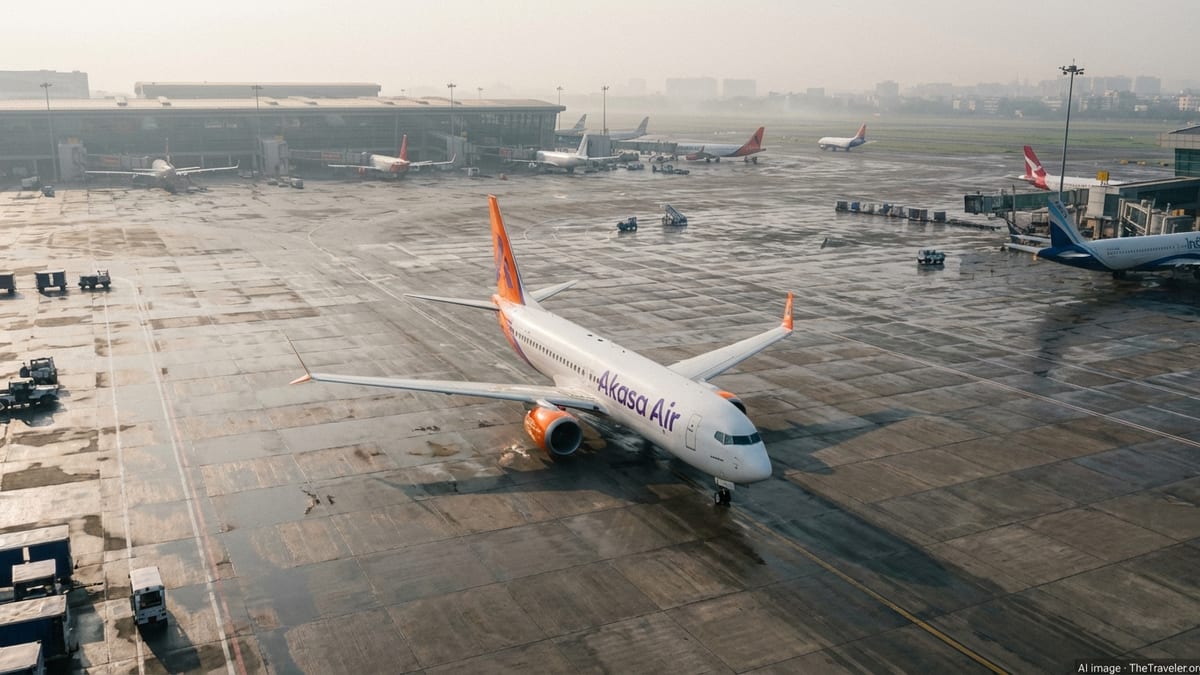
Akasa Air has ignited a fresh contest in Indian aviation loyalty with the launch of Akasa Elevate, a new frequent flyer program arriving on the heels of the carrier’s headline‑grabbing Boeing fleet expansion and rapid growth in the domestic market.
Get the latest news straight to your inbox!
A Loyalty Launch Timed to a Historic Fleet Bet
The rollout of Akasa Elevate comes soon after the airline confirmed a firm order for 150 additional Boeing 737 MAX aircraft at the Wings India 2024 event in Hyderabad, taking its total Boeing narrowbody commitments to more than 220 jets. Publicly available order data indicates the deal nearly tripled Akasa’s original MAX backlog, positioning the carrier among the fastest‑growing low‑cost airlines globally.
Industry reports describe the January 2024 order as a milestone for both Akasa Air and Boeing, arriving at a time when Indian carriers have booked more than a thousand new aircraft within roughly a year. Alongside record‑breaking purchases by IndiGo and Air India, Akasa’s bet underscores expectations that India will remain one of the world’s most dynamic air travel markets for the next two decades.
With that growth trajectory, Akasa Air’s decision to introduce a full‑scale loyalty offering is viewed by analysts as a strategic step to lock in repeat traffic ahead of a sharp increase in capacity. The airline, which began commercial operations in 2022 and has already built a mid‑single‑digit domestic market share, is preparing for a network that stretches far beyond its current footprint.
By sequencing a major fleet commitment with a branded loyalty program, Akasa is signaling that it intends to compete not only on fares and new aircraft but also on the long‑term relationships that frequent flyer schemes are designed to cultivate.
Akasa Elevate Enters a Crowded Loyalty Field
According to recent coverage in Indian aviation forums and business media, Akasa Elevate arrives at a moment when virtually every significant Indian carrier now operates a formal frequent flyer program. Market leader IndiGo has been expanding its rewards platform, while the Air India group has been integrating and repositioning loyalty under its broader multi‑brand strategy.
Observers note that Akasa Elevate effectively completes the loyalty map among major Indian airlines, turning the domestic market into a fully contested arena for points‑based travel incentives. The move is expected to increase pressure on incumbents to adjust earning structures, redemption opportunities and co‑branded partnerships in response to a new competitor seeking to differentiate itself on simplicity and value.
Although detailed terms of Elevate are still emerging through official channels, early public information suggests the program will be targeted at both frequent business travelers and the rapidly expanding segment of leisure flyers using low‑cost carriers for multiple trips a year. That dual focus reflects broader shifts in India’s aviation demand, where rising incomes and deeper regional connectivity are pulling new travelers into the market.
Analysts point out that for a young airline like Akasa, loyalty is less about rewarding a small elite of high‑frequency customers and more about encouraging a wide base of travelers to consolidate their flying with one brand. Elevate is therefore likely to be judged on how accessible its benefits feel to occasional flyers as much as on premium perks for road warriors.
Fleet Expansion Sets the Stage for Network and Loyalty Growth
Akasa Air’s January 2024 Boeing order consisted of 737 MAX variants tailored for high‑density, single‑aisle routes, aligning with the carrier’s low‑cost model and plans for regional and short‑haul international operations. Data compiled from manufacturer announcements and regulatory filings shows that the airline’s order book now includes both standard and higher‑capacity MAX configurations designed to maximize seats per flight.
Industry summaries indicate that, since its launch, Akasa has steadily added aircraft and routes, serving millions of passengers across India’s trunk and emerging city pairs. The enlarged order book suggests a future network that will likely span South Asia and possibly the Middle East and Southeast Asia, mirroring the growth paths of earlier Indian low‑cost entrants.
In that context, Akasa Elevate is expected to function as a glue between the domestic and future international networks, allowing points to be earned and spent across a broader map over time. Aviation analysts argue that such programs can play a key role in directing customer preference when travelers weigh nonstop options among multiple Indian brands on the same route.
For Boeing, Akasa’s combined initial and follow‑on MAX commitments underline the manufacturer’s continued foothold with Indian low‑cost players at a time when Airbus has secured some of the country’s largest narrowbody deals. For Akasa, the aircraft pipeline offers the physical capacity that a loyalty program aims to fill.
Competitive Implications for India’s Loyalty Landscape
The entry of Akasa Elevate intensifies competition in an already evolving loyalty ecosystem. After a wave of consolidation and restructuring, Indian aviation is dominated by a few large groups that have been refining their own programs in search of stronger yield and higher share of wallet from frequent travelers.
Market watchers suggest that Akasa could seek to differentiate Elevate through straightforward tier structures, transparent redemption rules or partnerships with digital payment and retail platforms that resonate with younger customers. The airline’s branding so far has leaned on a modern, tech‑forward image, and its loyalty design is expected to mirror that positioning.
At the same time, the presence of a new program may nudge rivals to accelerate planned enhancements of their own offerings, from expanded earn categories to more flexible family pooling of points. Public commentary in Indian aviation circles already reflects growing consumer expectations for loyalty to deliver tangible value on domestic routes, not just international long‑haul flights.
How aggressively Akasa chooses to deploy promotions through Elevate, such as launch bonuses or discounted redemptions on new routes, will be closely watched by competitors and travelers alike. In a fare‑sensitive market, loyalty incentives can quickly become a frontline tool in route launches and seasonal demand stimulation.
What Akasa Elevate Signals About the Next Phase of Indian Aviation
Beyond the specifics of one airline, the debut of Akasa Elevate underscores how central loyalty has become to the next chapter of Indian aviation. With domestic passenger numbers rising and new aircraft on order across multiple carriers, the contest is shifting from simply adding capacity to building durable brands and customer attachment.
Publicly available market share figures show Akasa still far behind entrenched rivals in absolute size, but the combination of a substantial Boeing pipeline and a proprietary loyalty ecosystem signals long‑term intent. The carrier is positioning itself as a permanent fixture in the market rather than a niche upstart.
For travelers, the proliferation of loyalty choices could translate into richer earning options and sharper competition for their repeat business. For the industry, Akasa Elevate marks another step in the evolution of Indian low‑cost flying from a purely price‑driven proposition toward a more differentiated, relationship‑based model in which points, tiers and redemption experiences matter almost as much as the fare itself.