


More news on this day
Fresh air links between the Gulf and Thailand are reshaping regional travel, with Bangkok and a string of resort destinations once again rising on Middle Eastern travellers’ wish lists as new and expanded routes come online.
Get the latest news straight to your inbox!
New Gulf Carriers Target Bangkok and Phuket
Middle Eastern connectivity to Thailand is entering a new phase, led by Gulf airlines ramping up services to Bangkok and the country’s main island resorts. Industry data and airline announcements show carriers from the region steadily rebuilding and expanding their Southeast Asian networks after a period of disruption linked to regional tensions and shifting demand.
Emirates has strengthened its Thailand footprint with increased operations to both Bangkok and Phuket. The carrier recently announced a third daily service to Phuket, operated by its new Airbus A350 aircraft via Dubai, adding capacity into Thailand’s southern beach belt and reinforcing its role as a key one-stop option for travellers from the Gulf and beyond.
Qatar Airways continues to list Bangkok and Phuket among its core Asian gateways, with updated network schedules for 2026 highlighting Thailand as a mainstay of its long-haul map. Interim timetables circulated earlier this year showed widebody aircraft, including the A380, being reintroduced on certain Doha–Bangkok rotations as part of a broader restoration of services.
Regional tourism officials have repeatedly signalled that attracting more Middle Eastern airlines to Thai airports is a strategic priority. Publicly available planning documents point to efforts to draw additional carriers and frequencies, not only into Bangkok but also into secondary aviation hubs, in anticipation of long-term demand from the Gulf.
Riyadh–Bangkok Links Signal Saudi Demand
Among the most closely watched developments is the strengthening of air links between Saudi Arabia and Thailand. Online schedule aggregators currently show direct services between Riyadh’s King Khalid International Airport and Bangkok’s Suvarnabhumi Airport operated by Saudia, reflecting the gradual normalisation of travel flows between the two countries.
Enthusiasm surrounding the upcoming launch plans of new Saudi carrier Riyadh Air has added further momentum. Aviation-focused forums tracking the airline’s proposed route map note that Bangkok features on early destination lists, described by observers as one of the network’s genuinely new long-haul points of focus. Industry watchers say the combination of Saudia’s established flights and Riyadh Air’s potential entry could significantly raise Thailand’s visibility among Saudi leisure travellers.
These developments come as Saudi Arabia invests heavily in outbound and inbound tourism. Sector forecasts for the kingdom point to sustained double-digit growth in travel and tourism over the coming decade, a trend that Thai tourism strategists are seeking to tap by positioning the country as a convenient, visa-friendly and culturally familiar holiday choice for Gulf residents.
Reports on visitor arrivals to Thailand already indicate a rebound in traffic from several Middle Eastern markets, even as geopolitics and airline schedule adjustments have produced short-term volatility. Available figures for early 2026 show that while some markets registered declines, others, including Oman and Saudi Arabia, recorded noticeable growth in arrivals.
Bangkok Leads, But Travellers Look Beyond the Capital
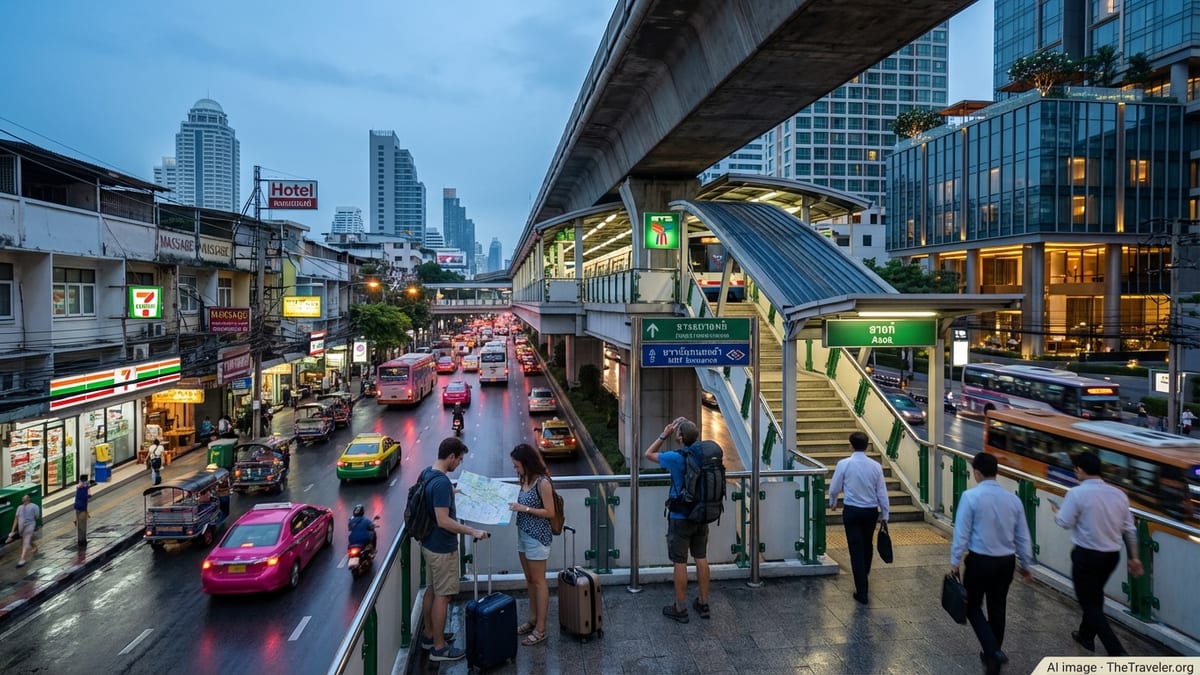
Bangkok remains the primary magnet for Middle Eastern visitors, cementing its long-standing reputation as one of the world’s most visited cities. Official tourism policy documents for 2026 highlight that the Thai capital continued to rank among the globe’s busiest urban destinations in 2025, drawing more than 30 million international visitors and underscoring its enduring pull for transit and stayover traffic.
For Gulf travellers, Bangkok’s appeal is anchored in shopping, medical tourism, family-friendly attractions and a wide spectrum of accommodation, from halal-certified boutique hotels to luxury brands. Airline marketing materials aimed at Middle Eastern audiences routinely spotlight the city’s riverfront skyline and nightlife alongside its malls, rooftop dining and spa offerings.
At the same time, publicly available tourism statistics show that spending is spreading more widely across Thailand’s regions. Provinces such as Phuket, Krabi and Chiang Mai continue to rank among the top earners from foreign visitors, with beach and nature-focused holidays gaining ground on traditional city itineraries. Industry researchers note particularly strong booking patterns in upcountry destinations, including northern cultural hubs and southern coastal provinces.
Tour operators serving Gulf markets report that multi-stop trips are becoming more common, with visitors combining several nights in Bangkok with time in Phuket or Krabi, and increasingly with shorter stays in Chiang Mai or nearby mountain towns. Improved domestic links, codeshares between Gulf carriers and Thai Airways, and more frequent flights into regional airports are helping to make these combinations easier to book on a single ticket.
Phuket, Krabi and Chiang Mai Ride the Route Wave
The new and restored Gulf routes are expected to channel more Middle Eastern visitors into Thailand’s resort and secondary cities. Emirates’ additional daily Phuket service, for example, is designed to feed not only point-to-point demand from Dubai but also connecting traffic from Saudi Arabia, Kuwait, Qatar and other Gulf Cooperation Council states via its hub.
Phuket’s position as a global beach destination has long made it a favourite among Middle Eastern holidaymakers, particularly families seeking villa accommodation, private pools and easy access to halal dining. Tourism reports emphasize that, outside Bangkok, Phuket remains one of Thailand’s highest-earning provinces from foreign tourism receipts, pointing to the island’s resilience in the face of changing source markets.
Further along the Andaman coast, Krabi and neighbouring provinces continue to grow their share of international arrivals. While they currently depend more heavily on connecting traffic through Bangkok and Phuket, Thai authorities have indicated that expanding direct and charter services into southern airports forms part of longer-term aviation and tourism plans.
In the north, Chiang Mai is emerging as a compelling add-on for Middle Eastern visitors seeking cooler weather and cultural experiences. Economic and tourism data presented by Thai planners list Chiang Mai among the country’s leading provincial destinations by tourism revenue, supported by a mix of domestic and international visitors drawn to temples, cafes and eco-focused excursions.
Thailand Pivots to “Value Over Volume” in the Gulf Market
Behind the route map changes sits a broader reset of Thailand’s tourism strategy. The Tourism Authority of Thailand’s 2026 blueprint, published under the themes “Thailand Tourism Next” and “The New Thailand,” sets a revenue target approaching three trillion baht and explicitly prioritises value over sheer visitor numbers.
Policy outlines show a strong focus on long-haul markets, including Europe and the Middle East, which generated a record 10.8 million arrivals in 2025. For 2026, official projections anticipate around 11 million visitors from long-haul regions such as Europe, the Americas, the Middle East and Africa, supported in part by expanded air connectivity and targeted promotions.
In the Gulf, that approach translates into campaigns built around wellness, eco-friendly stays, high-end beach resorts and authentic local experiences, rather than short, low-spend trips. Promotional materials aimed at Middle Eastern travellers highlight family-oriented attractions, privacy-conscious accommodation options and tailored services such as Arabic-speaking staff and adapted dining offerings.
Analysts say that as new and returning Gulf carriers add capacity into Bangkok and key provincial airports, competition for Middle Eastern travellers will intensify among Thai destinations. For now, the direction of travel is clear: with fresh routes on the board and a sharpened focus on quality tourism, Bangkok and its beach and mountain counterparts are firmly back on the radar for holidaymakers across the Middle East.