


More news on this day
An American Airlines flight from Dallas Fort Worth to Philadelphia diverted back to its departure airport on June 29, 2026, after what reports describe as a mid air operational disruption involving an Airbus A321‑211 operating as Flight AAL415.
Get the latest news straight to your inbox!
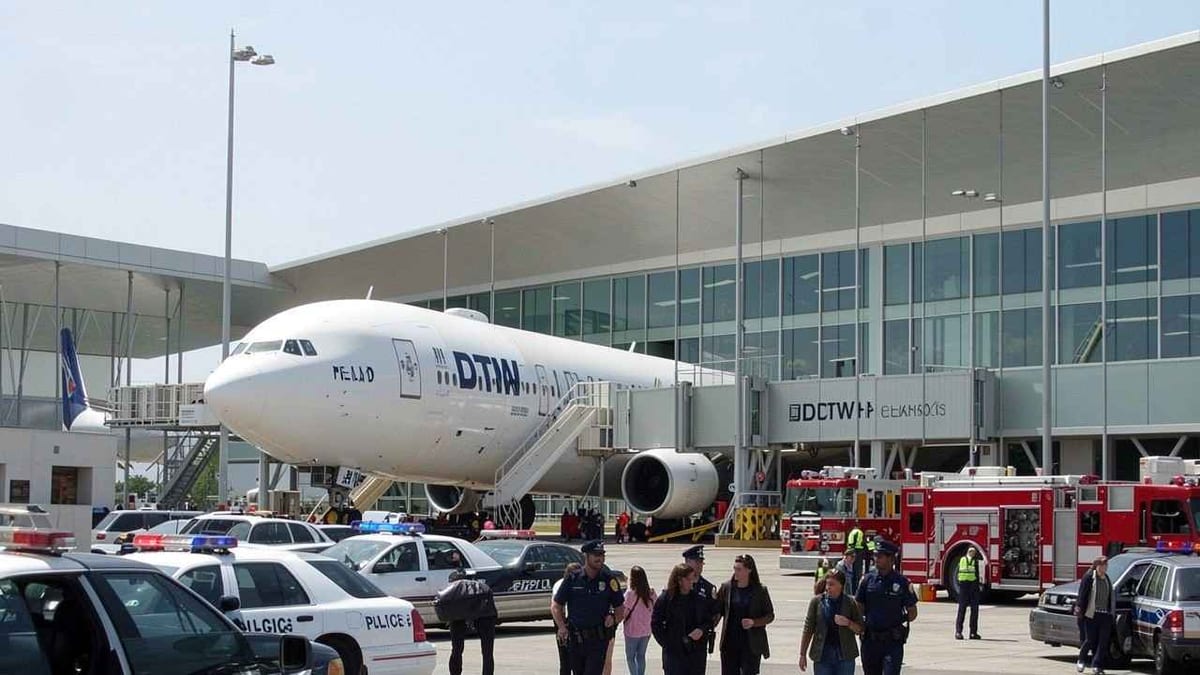
Mid Morning Dallas Departure Quickly Turns Back
Publicly available flight information shows that American Airlines Flight AAL415 was scheduled to depart Dallas Fort Worth International Airport for Philadelphia International Airport on the morning of June 29, 2026, as part of the carrier’s regular domestic schedule. The service is typically operated by narrowbody aircraft on a flight time of just over three hours between the two major hubs.
According to published coverage focused on the incident, the aircraft used on this rotation was an Airbus A321‑211 configured for American’s domestic network. Shortly after takeoff from Dallas, the flight stopped its eastbound progress and initiated a return toward the Dallas area instead of continuing on the planned routing to Philadelphia.
Tracking data referenced in aviation monitoring tools indicates that the diversion occurred relatively early in the flight profile, limiting the time the aircraft spent away from its departure airport. The decision to discontinue the cross country sector and head back toward Dallas appears to have been taken while the aircraft was still in the initial portion of its climb and early cruise.
Travel industry reports characterize the event as an operational disruption in mid air rather than a declared emergency. The return was described as precautionary in nature, and available information indicates that the aircraft landed back at Dallas without further incident.
Nature of the Operational Disruption
Coverage from travel news outlets states that the flight experienced what has been labeled a mid air operational disruption. The precise trigger for the decision to return to Dallas has not been detailed in the public domain, and no specific technical fault has been formally outlined in the reports published so far.
Descriptions of the event suggest that the cockpit crew followed established procedures by discontinuing the flight, coordinating a revised routing back to Dallas, and bringing the aircraft to the ground for checks. The language used in available summaries emphasizes that the step was precautionary, which is consistent with airline and industry practice when there is any uncertainty about a system, indication or other factor affecting normal operations.
There is currently no public indication that the aircraft encountered severe turbulence, weather related hazards, or a cabin related event such as a loss of pressurization. Instead, the incident is being framed as a targeted operational decision to prioritize caution, which can encompass a wide range of scenarios including instrument anomalies, onboard system messages or other irregularities best addressed at a major maintenance base.
Reports do not reference any injuries among passengers or crew, and there is no indication in available material that emergency services were required beyond routine readiness for an unscheduled return. The absence of details on adverse outcomes suggests that the disruption, while significant enough to alter the flight plan, remained contained.
Return to Dallas and Aircraft Checks
Once the decision to divert was made, the Airbus A321‑211 turned back toward Dallas Fort Worth, one of American’s largest operational centers and maintenance hubs. Returning to DFW rather than continuing toward Philadelphia allowed the carrier to use its extensive ground resources, including engineering support, parts availability and alternate aircraft if needed.
Travel industry reporting notes that the aircraft completed a landing back at Dallas and proceeded to undergo checks on the ground. These examinations are standard procedure whenever a flight is cut short due to a technical or procedural concern, even if the initial indications are inconclusive. Maintenance teams typically review recorded flight data, perform visual inspections and, where applicable, run system tests before releasing the aircraft back into service.
The characterization of the situation as precautionary aligns with the broader safety culture in commercial aviation, where crews are encouraged to err on the side of caution when evaluating unusual indications or evolving conditions. From a passenger perspective, this can mean a significant disruption to travel plans, but within the industry it is usually regarded as evidence that layered safety systems and decision making processes are functioning as intended.
Because no confirmed cause has been made public, it remains unclear whether the issue related to aircraft systems, operational parameters, or external factors such as airspace considerations. In the absence of a detailed statement, available information simply highlights that the aircraft did not continue to Philadelphia as originally scheduled and that further technical assessment took place at Dallas.
Impact on Passengers and Operations
For travelers booked on AAL415, the in flight diversion translated into a return to Dallas instead of an arrival in Philadelphia, likely disrupting onward connections and same day plans in the northeastern United States. While specific rebooking arrangements have not been detailed in publicly accessible reports, standard airline practice in such situations typically involves reassigning travelers to later departures on the same route or to alternative routings via other hubs.
The Dallas to Philadelphia corridor is served multiple times per day by American, which generally gives the carrier flexibility to redistribute passengers following an event of this kind. However, depending on load factors and broader operational conditions on June 29, 2026, some customers may have faced extended delays or overnight stays as the airline worked through its rebooking and accommodation policies.
From an operational standpoint, an unscheduled return of a narrowbody aircraft can reverberate through the rest of the day’s schedule. The aircraft involved often requires additional time on the ground, which can lead to reassignment of equipment and crews to other flights, minor schedule adjustments, and, in congested periods, potential knock on delays. Dallas Fort Worth’s role as a primary hub for American means that the airline has comparatively more backup options there than at many other airports, helping to limit disruption.
Air travel observers will likely track subsequent days’ flight data to see how quickly the aircraft reentered regular service and whether the Dallas Philadelphia rotation returned to its normal pattern. For most passengers, however, the event will be remembered primarily as an unexpected interruption to a routine domestic journey.
Context Within a Busy Summer Travel Period
The diversion of AAL415 occurred during the busy northern summer travel season, a period when U.S. hubs such as Dallas Fort Worth and Philadelphia typically see high passenger volumes and heavy schedules. At this time of year, any irregular operation, from weather related delays to technical returns, can place added strain on airline networks that are already operating near capacity.
Industry data over recent months has highlighted how large carriers frequently manage diversions and returns, particularly at major hubs with complex daily operations. While each event has its own circumstances, the overall picture shows an environment in which precautionary decisions by flight crews and operations centers are a regular part of maintaining safety and reliability.
In that broader context, the experience of passengers on American Airlines Flight AAL415 fits into a pattern familiar to many frequent flyers, where occasional disruptions contrast with the vast majority of flights that depart and arrive as planned. The prominent attention given to this particular incident in travel media reflects ongoing public interest in how airlines manage unexpected situations in the air.
As additional information emerges through official channels or subsequent reporting, more detail may become available about the specific factors that prompted the A321‑211’s return to Dallas on June 29. For now, publicly accessible records and coverage emphasize a controlled diversion, a safe landing at the departure hub, and a focus on technical evaluation before the aircraft’s next assignment.