


More news on this day
Rapid City Regional Airport is riding a wave of travel demand as new data shows passenger volumes at or near record highs, reinforcing a wider surge in South Dakota tourism that is drawing more visitors and larger travel spending across the state.
Get the latest news straight to your inbox!
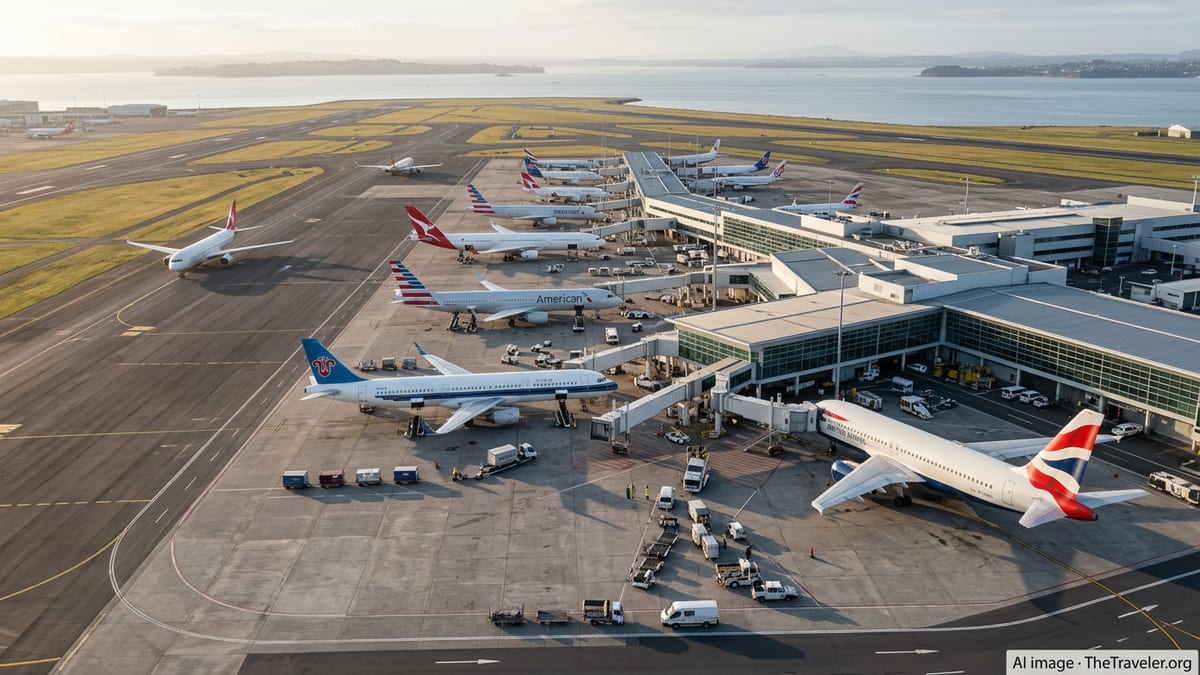
Record Passenger Volumes at Rapid City Regional Airport
Recent data and local reporting indicate that Rapid City Regional Airport has set or approached new passenger records, underscoring its role as a primary air gateway to the Black Hills, Mount Rushmore, Badlands National Park, and other western South Dakota attractions. Passenger totals in the past year have surpassed pre‑pandemic levels, with enplanements and total throughput climbing steadily as airlines rebuild capacity and leisure demand remains strong.
The airport has benefited from a mix of returning seasonal routes and strengthened core service to major hubs. Increased load factors, fuller flights during peak summer months, and steady traffic shoulder seasons have combined to push annual passenger counts to historic territory. Aviation industry summaries and regional coverage describe Rapid City as one of several smaller U.S. markets where post‑pandemic recovery has transitioned into tangible growth.
The passenger gains are particularly notable given broader economic headwinds and higher airfares in many markets. For Rapid City, the renewed momentum suggests that the region’s tourism draw and status as a regional service center for western South Dakota, eastern Wyoming, and the northern Plains are more than offsetting cost pressures that, in other destinations, have softened demand.
Airport performance also reflects an evolving mix of travelers. While summer remains dominated by leisure visitors bound for national parks and monuments, industry observers report more year‑round traffic tied to business, healthcare, and regional events. This combination has helped stabilize volumes outside the traditional tourism peaks.
South Dakota Tourism Sets New Highs in Visitation and Spending
The surge at Rapid City Regional Airport aligns with a statewide tourism industry that continues to climb from one record to the next. According to South Dakota Department of Tourism research and Tourism Economics studies highlighted in publicly available reports, the state welcomed approximately 14.7 million visitors in 2023, followed by about 14.9 million visitors in 2024, setting records in back‑to‑back years. Visitor spending has grown alongside that increase, surpassing 5 billion dollars for the first time in 2024.
These gains extend a multi‑year trend in which South Dakota has outperformed many rural and midwestern competitors in attracting leisure travelers. State research indicates that tourism now accounts for a meaningful share of South Dakota’s economy, supporting tens of thousands of jobs and generating billions in household income when direct, indirect, and induced effects are combined. Visitor activity also produces substantial state and local tax revenue, helping to fund public services without relying solely on resident taxpayers.
Regional breakdowns show that all four tourism regions reported higher visitor spending in 2024 compared with 2023, with increases visible in both traditional hot spots and smaller communities. The Black Hills and Badlands area, which relies heavily on Rapid City Regional Airport for long‑haul access, remains a central driver of this growth, but published analyses emphasize that tourism’s economic benefits now reach every county in the state.
State tourism reports attribute the continued momentum to a mix of strong fall travel, robust hunting seasons, and a rebound in international visitation, particularly from neighboring Canada. These factors, combined with a strategy that highlights outdoor recreation, road trips, and iconic national sites, have helped sustain demand even as travelers nationally weigh inflation, fuel prices, and changing work patterns.
Air Service Expansion Strengthens Connectivity to the Black Hills
Rapid City Regional Airport’s trajectory is being reinforced by new and returning routes that expand connectivity to major hubs. Airline announcements over the past two years have included seasonal and year‑round service additions that tie Rapid City more directly to markets such as Atlanta and Phoenix, as well as strengthened links to Denver, Dallas–Fort Worth, Minneapolis–Saint Paul, and other key connecting points.
Industry outlets and schedule filings show that one major carrier restored nonstop service between Rapid City and Atlanta, with flights commencing in late May 2025. Separate announcements indicate new nonstop service between Rapid City and Phoenix Sky Harbor, adding another warm‑weather, western gateway that functions both as a leisure route and a connecting bridge to the Southwest and West Coast.
These additions give inbound visitors more options and reduce travel times to the Black Hills, which can be a deciding factor for travelers comparing fly‑in and drive‑in destinations in the central United States. For residents and regional businesses, the routes broaden access to national and international networks, supporting corporate travel, medical trips, and conference attendance that might otherwise route through distant hubs.
Airlines generally prioritize markets that demonstrate consistent demand and revenue performance, so the current slate of service into Rapid City signals confidence that the Black Hills region can sustain robust year‑over‑year traffic. Capacity decisions are revisited frequently, but the recent wave of announcements and record passenger figures suggest that Rapid City has firmly re‑established itself on carrier route maps.
Economic Ripple Effects Across Western South Dakota
Higher passenger counts at Rapid City Regional Airport are generating noticeable ripple effects across western South Dakota’s visitor economy. Hotels in Rapid City and nearby communities report busy peak seasons in publicly shared data and local coverage, while short‑term rentals, campgrounds, and resorts close to national parks also see elevated occupancy tied to increased fly‑in demand.
Visitor spending tied to air arrivals extends beyond lodging. Rental car companies, shuttle services, restaurants, retailers, and attraction operators capture additional revenue when air traffic grows. Tourism impact reports for the state highlight recreation spending, dining, and retail as key categories of growth in 2024, trends that are highly visible in gateway communities that serve as staging points for park visits and scenic drives.
The labor market has felt the effects as well. State labor and tourism analyses describe tourism as a significant employer, with thousands of jobs in accommodation, food service, recreation, and transportation supported by visitor dollars. In western South Dakota, these positions often cluster along key corridors between Rapid City, the Black Hills, and Badlands National Park, with airport growth helping to stabilize seasonal hiring patterns.
Local planners and business groups are also watching infrastructure and housing pressures that can accompany rapid tourism growth. Public discussions in Rapid City and surrounding areas increasingly focus on how to balance visitor demand with community needs, from workforce housing and transportation to preserving the character of downtown districts. Airport performance is one component of this broader conversation about sustainable growth.
Outlook: Sustaining Momentum Amid Evolving Travel Trends
Looking ahead to late 2026 and 2027, South Dakota’s tourism outlook remains cautiously positive. Industry forecasts and recent trends point to continued interest in outdoor destinations, scenic road trips, and smaller cities that offer access to national parks without the congestion of larger gateways. Rapid City Regional Airport, as a primary air entry point to such experiences, appears well positioned to benefit from these preferences.
At the same time, stakeholders are monitoring several risks. Economic uncertainty, including the possibility of slower growth or shifting consumer confidence, could temper discretionary travel spending. Airline capacity is another variable, as carriers continue to adjust fleets and route networks in response to fuel costs, pilot availability, and competitive pressures across the United States.
State tourism strategies, as reflected in recent annual and economic impact reports, emphasize diversifying visitor markets, extending the travel season beyond peak summer months, and encouraging exploration of lesser‑known communities and attractions. If successful, this approach could help smooth out demand fluctuations and reduce over‑reliance on a narrow set of high‑traffic sites.
For now, the data point to a clear storyline: Rapid City Regional Airport is moving record numbers of passengers, and that growth is both a reflection and a driver of South Dakota’s broader tourism boom. With air connectivity expanding and visitor spending at all‑time highs, the state’s travel sector is entering its next chapter from a position of strength, even as it navigates the complex dynamics of an evolving national travel landscape.