


More news on this day
American Airlines has unveiled nine new gates at Dallas Fort Worth International Airport, marking a major milestone in a multibillion dollar expansion program designed to increase capacity, improve the passenger experience and reinforce DFW’s role as one of the world’s busiest airline hubs.
Get the latest news straight to your inbox!
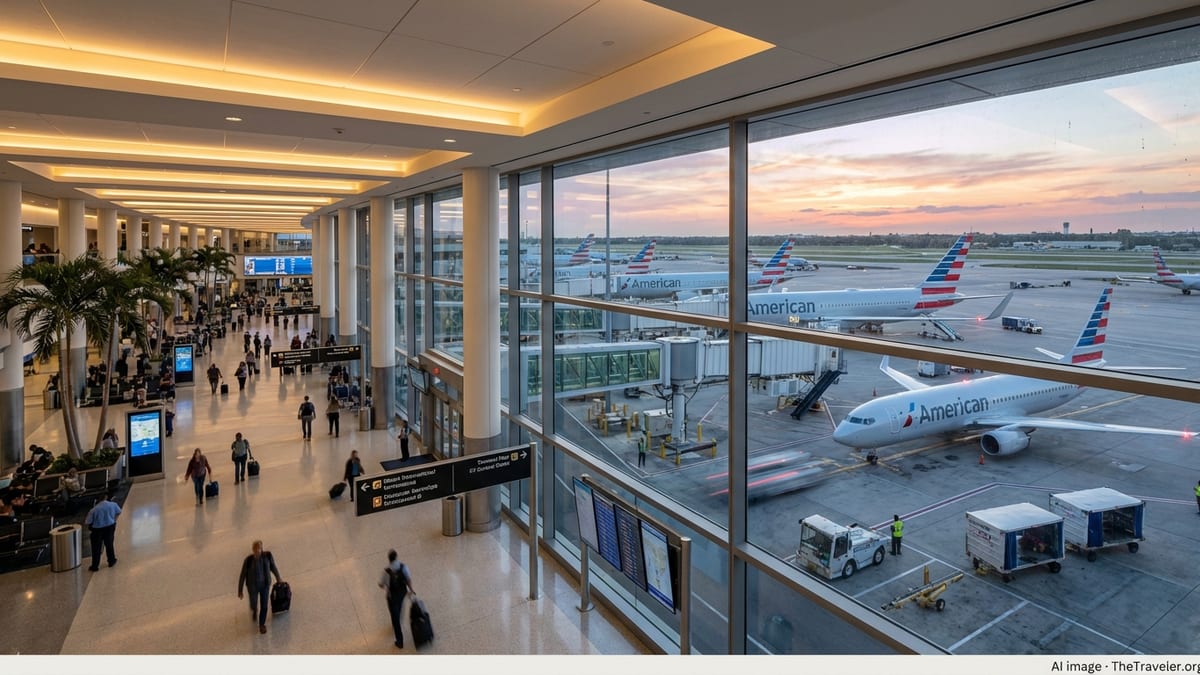
New Terminal C Gates Anchor a Rebuilt Pier
The nine new gates are part of a 115,000 square foot pier expansion at Terminal C, described in publicly available materials as the first completed component of a planned full rebuild of the terminal. The project brings a mix of rebuilt and brand new gates, giving American Airlines added flexibility to schedule more flights at its largest hub.
Reports indicate that the new pier includes larger gate areas, floor to ceiling windows and expanded seating zones aimed at easing crowding during peak departure banks. The design reflects a broader industry trend toward more open, light filled spaces that can accommodate higher passenger volumes while supporting airline efforts to smooth boarding and connections.
Public information from the airport and airline shows that the upgraded concourse is part of a roughly 3 billion dollar Terminal C improvement program within DFW’s wider capital plan. As additional phases come online, the new pier is expected to serve as a template for the look and feel of the rebuilt terminal.
For travelers, the immediate impact will be more gate options in one of the airport’s historically most congested areas. The added positions are intended to reduce the need for remote parking stands and last minute gate changes that can complicate tight connections.
Technology and Amenities Aim to Streamline the Journey
The Terminal C pier is also serving as a showcase for new boarding technology that American Airlines plans to deploy across its DFW operation. According to recent company announcements, the carrier is rolling out electronic boarding gates at the new concourse in a large scale implementation that follows smaller pilots at the hub.
These automated gates are designed to speed up the boarding process by allowing customers to scan their own passes while agents focus on resolving seating, baggage and connection issues. Industry observers note that electronic gates can improve on time performance, particularly at major hubs where small delays can ripple across the network.
Beyond technology, the new pier features refreshed concessions, upgraded restrooms and power equipped seating areas that reflect the way travelers use airport time today. Publicly available descriptions highlight an emphasis on comfort and convenience, including more charging points and improved sightlines to boarding information screens.
With DFW serving as a key connection point for both domestic and international itineraries, the additional amenities are expected to be especially important for passengers on longer layovers, providing more places to work, dine or relax between flights.
Massive Capital Plan Targets Long Term Growth
The opening of the nine gates fits into a far larger expansion blueprint at Dallas Fort Worth International Airport. Under a long term use and lease agreement finalized in recent years, American Airlines and DFW committed to billions of dollars in capital investments covering terminal renovations, new concourse piers and a full sixth terminal.
According to published airport and airline documents, the overall program known as DFW Forward is valued at nearly 9 billion dollars and stretches through the latter half of this decade. Key elements include the comprehensive reimagining of Terminal C, gate expansions from Terminals A and C and construction of Terminal F, which is planned to add a substantial number of additional gates and a new parking and check in complex.
The terminal expansions are projected to deliver dozens of incremental gates systemwide, positioning DFW to handle anticipated traffic growth linked to North Texas’s rising population and its role as a logistics and corporate hub. Publicly available planning materials frame these projects as essential to keeping pace with demand and maintaining the airport’s competitive position among global mega hubs.
For American Airlines, the investment supports a strategy that increasingly funnels connecting traffic through DFW. The carrier operates thousands of weekly departures from the airport, and previously released data suggest that if Terminal C alone were a standalone operation, it would rank as one of the airline’s largest hubs by departures.
Capacity Boost Tied to Major Events and Network Expansion
The additional gates are arriving as the region prepares for a surge of demand around high profile events, including matches for the 2026 FIFA World Cup hosted across North America. Local coverage notes that DFW’s multi year improvement plan is expected to play a role in handling the influx of international visitors and increased flight activity associated with the tournament.
In the nearer term, the new positions at Terminal C give American Airlines more room to adjust schedules, add new routes or upgauge aircraft on existing markets. Public route and capacity data in recent years have shown the airline steadily layering additional frequencies from DFW to key domestic and regional destinations, using the hub to feed long haul international services.
As further phases of the expansion open, including future gates at Terminal A and the build out of Terminal F, observers expect DFW’s role in American’s network to deepen. The carrier has previously characterized the combination of new gates and infrastructure as providing a clear path toward operating what could become the largest single airline hub in the world by certain measures.
For travelers across the United States and abroad, that strategy translates into more one stop options through North Texas, greater schedule choice and potentially increased competition on select routes as capacity grows.
Changing the Customer Experience at One of the World’s Busiest Hubs
While much of the focus is on capacity, airport and airline planners have repeatedly linked the DFW projects to a broader effort to modernize the customer experience. Terminal C has long been regarded as one of the older facilities in the complex, and the new pier is intended to signal a step change in design, comfort and efficiency.
The enhancements join earlier renovation work at Terminals A, B and E, which collectively updated large portions of the airport’s check in halls, security checkpoints and gate areas. With the addition of the Terminal C pier and future Terminal F, DFW is moving closer to a campus wide refresh that touches nearly every stage of the passenger journey.
For connecting customers in particular, the improvements are expected to make tight itineraries through DFW feel less daunting. More gates, clearer wayfinding, expanded seating and upgraded boarding processes can reduce stress and shorten perceived connection times, even as the airport handles a growing number of flights.
As the nine new gates at Terminal C begin regular operations, they offer a visible sign of how American Airlines and Dallas Fort Worth International Airport are reshaping one of the world’s busiest hubs for the next generation of travel, blending increased capacity with a more modern, technology driven experience.