


More news on this day
Summer air travel across the United States faced fresh disruption after an American Eagle regional flight operating as PDT9978 diverted to Philadelphia, creating a cascade of missed connections and schedule changes for already strained passengers and crews.
Get the latest news straight to your inbox!
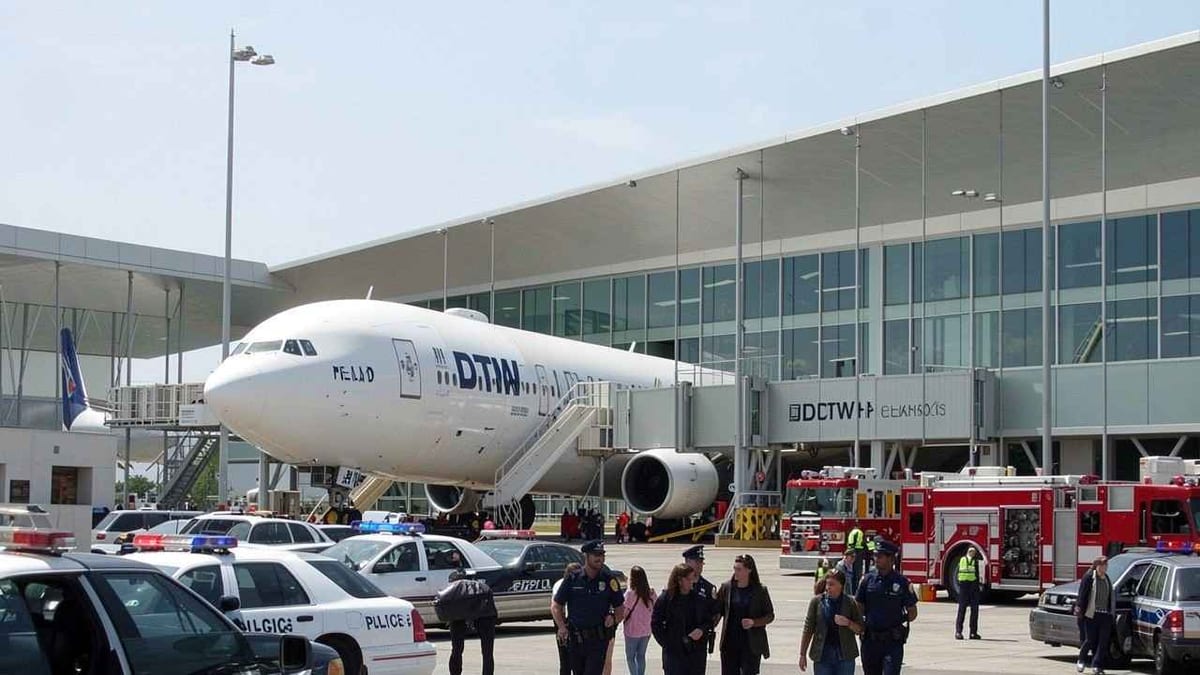
Sudden Diversion Adds Strain to Busy Summer Operations
Publicly available flight-tracking data indicate that PDT9978, a regional service operating under the American Eagle banner for American Airlines, altered course and diverted to Philadelphia instead of completing its planned routing. The unscheduled arrival added extra pressure at Philadelphia International Airport, one of American’s busiest hubs as the carrier moves into what it has billed as a record-breaking summer travel period.
American and its regional partners are currently operating thousands of daily flights through major connecting points such as Charlotte and Philadelphia. Recent airline disclosures and industry analyses describe an aggressive summer schedule that aims to carry tens of millions of travelers, with limited slack in both fleets and crews. In that context, even a single diversion can trigger a wider sequence of disruptions as aircraft and staff are repositioned.
Initial indications from aviation data services and traveler accounts circulating on social media point to a combination of operational pressures and challenging weather patterns in the Mid-Atlantic region. Thunderstorms and congestion around major East Coast hubs have already prompted ground stops and reroutes during the current travel week, complicating regional airline operations that typically run at tight turnaround times.
The diversion of PDT9978 meant that the aircraft and crew ended up in Philadelphia unexpectedly, with a knock-on effect on subsequent segments they were scheduled to operate. This kind of disruption can ripple through an airline’s network for hours as schedulers attempt to rebalance aircraft rotations and crew duty limits.
Ripple Effects for Passengers Across the Network
Travelers booked on PDT9978 and on later flights assigned to the same aircraft and crew experienced a mix of missed connections, rolling delays and, in some cases, outright cancellations. Information available through airline-status tools and customer reports shows a familiar pattern for regional travel interruptions: shorter feeder flights close to a hub are often adjusted first when weather or congestion reduces capacity.
Several recent discussions on passenger forums describe how regional services into large hubs can be quickly reshuffled when storms approach or traffic volumes spike, with crews reassigned and aircraft routed to airports that can absorb diversions more easily. Commenters with airline experience point out that these smaller flights, while vital to connecting traffic, are also the most flexible levers for schedulers trying to stabilize a hub under stress.
For individual travelers, however, the experience can be severe. Accounts shared online in recent days detail passengers stranded overnight after diversions, receiving limited meal vouchers and facing long queues to rebook. The diversion of PDT9978 appears to have added to this broader pattern, as some customers arriving unexpectedly in Philadelphia were forced to seek alternative routings or overnight accommodation at short notice.
Airline customer guidance materials generally advise passengers affected by diverted flights to monitor their bookings through official digital channels and to consider same-day alternative routings when they appear. In practice, on peak summer days with multiple disruptions, the pool of available seats can shrink quickly, leaving many travelers reliant on later departures or entirely different airports.
Weather, Congestion and Regional Airline Vulnerabilities
The circumstances around PDT9978 highlight several structural vulnerabilities that industry observers have been warning about ahead of the summer rush. Regional operators flying under major brands such as American Eagle often serve short sectors into congested hubs, where even modest thunderstorm activity or air traffic control initiatives can sharply reduce the number of aircraft that can arrive or depart within a given hour.
In these situations, airlines frequently prioritize long-haul and high-demand mainline flights, while regional services are delayed, rerouted or diverted. Pilots and dispatchers who participate in public aviation forums frequently note that close-in regional flights are among the first candidates for preemptive cancellations or diversions when hubs reach operational limits.
Philadelphia has been a focus of several recent travel advisories linked to convective weather systems in the Northeast and Mid-Atlantic, with knock-on impacts reported at nearby airports. Weather-related ground holds and flow-control programs can force inbound flights to loiter, divert for fuel considerations or land at alternates when airport arrival rates are cut, particularly during late afternoon and evening traffic peaks.
For regional carriers, these challenges are exacerbated by tighter crew schedules and smaller maintenance footprints compared with mainline fleets. When a flight such as PDT9978 diverts, it can leave an aircraft and crew out of position for multiple later sectors, and there may be limited backup capacity to recover the original schedule quickly.
What the Diversion Means for Summer Travelers
The diversion of PDT9978 and similar recent episodes serve as a warning for travelers heading into the busiest stretch of the summer season. Industry planners have publicly acknowledged that operations are running close to capacity, and that systemwide resilience remains heavily dependent on weather conditions and air traffic control staffing levels across key corridors.
Travel experts and consumer advocates routinely recommend that passengers traveling through weather-sensitive hubs such as Philadelphia build additional time into their itineraries, particularly when connecting from regional flights to longer-haul services. Early morning departures and longer connection windows are often cited as practical ways to reduce the risk of missed onward flights if an inbound sector is rerouted or delayed.
The experience of travelers affected by PDT9978 also underscores the importance of real-time communication tools. Aviation guidance materials emphasize that travelers who actively monitor airline apps, text alerts and flight-tracking services are often able to request rebooking options or secure remaining seats more quickly than those who rely solely on airport counters during widespread disruptions.
At the same time, passenger accounts from recent diversions suggest that compensation and care policies remain a point of contention, particularly when the underlying cause of a diversion is debated between weather and mechanical or staffing factors. Consumer advocates continue to call for clearer rules and more consistent application of assistance when travelers are stranded for many hours or overnight.
Ongoing Scrutiny of Airline Reliability
The disruption linked to PDT9978 arrives at a moment when regulators, consumer groups and travel analysts are already paying close attention to airline reliability. High-profile delays and diversions in recent seasons have fueled calls for stronger passenger protections and more transparency around how operational decisions are made during peak travel periods.
Industry data compiled over the past year show that irregular operations such as diversions, cancellations and extensive delays have clustered around major weather events but have also appeared during routine busy days, raising questions about how much buffer remains in airline networks. Regional operations, including those under the American Eagle brand, are frequently cited as key pressure points within these systems.
As American and other large carriers push to meet robust demand through the rest of the summer, each new diversion feeds into a broader narrative about the fragility of the air travel system under stress. The case of PDT9978, while a single flight among thousands, illustrates how quickly a localized operational decision can cascade into a wider episode of travel chaos for passengers scattered across multiple airports.
With forecasts pointing to continued storm activity over key hubs and ongoing staffing challenges in some segments of the aviation ecosystem, travelers are being reminded that diversions like the one involving PDT9978 are likely to remain a feature of the summer skies, and that flexibility and preparation may be as important as a confirmed ticket.