


More news on this day
A semi trailer was cut in half in a violent collision with a train near Hartley, Iowa, according to early local reports and images shared on social media, briefly halting both rail and road traffic as emergency crews moved in to secure the scene and remove debris.
Get the latest news straight to your inbox!
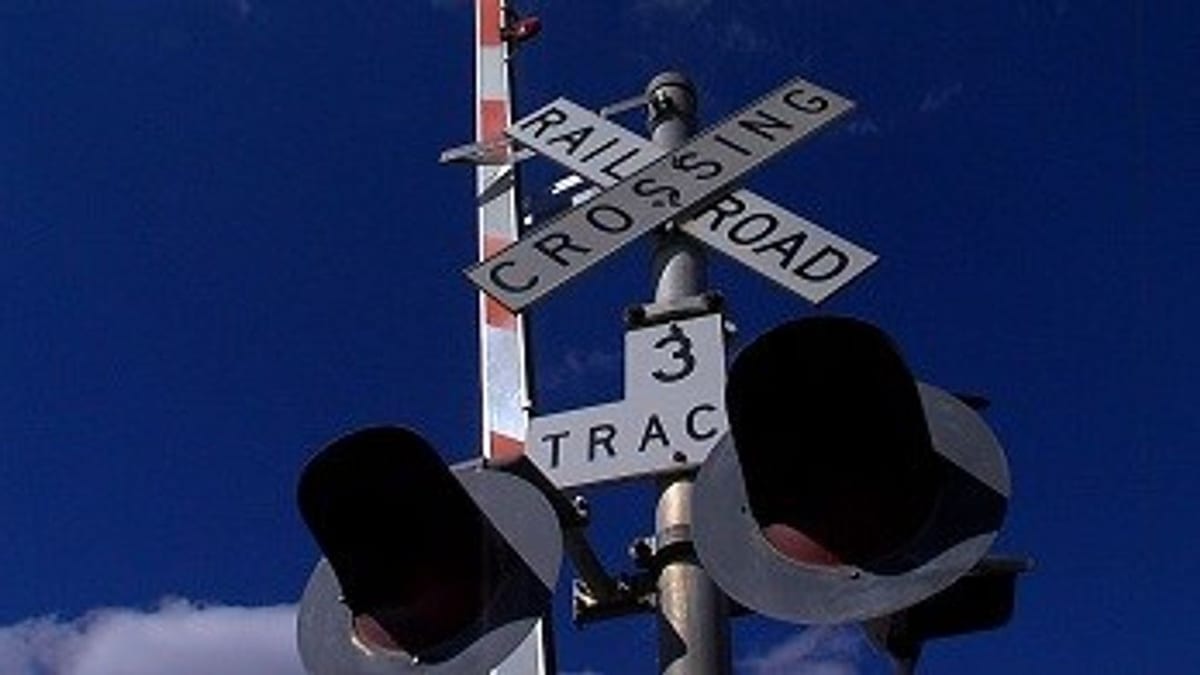
Collision Near Rural Crossing Outside Hartley
Initial information indicates that the crash occurred near a rural grade crossing outside Hartley, a small community in northwest Iowa. The location is characterized by open farmland and a mix of lightly traveled county roads and active freight rail lines, conditions that can create visibility and timing challenges for both truck drivers and train crews.
Published coverage and witness descriptions suggest that the semi trailer was already moving across the tracks when the oncoming train reached the crossing. The force of the impact appeared to strike the trailer squarely, effectively shearing it into two sections and scattering its structure and cargo on either side of the right of way.
Reports indicate that the leading portion of the trailer was pushed along the tracks, while the rear section remained closer to the crossing. Early images from the scene show the trailer’s frame twisted and peeled open, a typical pattern in high-speed train impacts involving highway trailers.
Rail traffic was temporarily halted in the area as railroad personnel and local responders assessed potential damage to the track, signals and train equipment. Road access at and around the crossing was also restricted while wreckage was cleared.
Driver Condition and Immediate Emergency Response
Based on publicly available information, the semi’s driver survived the incident, with no immediate reports of life-threatening injuries. In many recent U.S. highway-rail incidents, drivers have been able to exit their vehicles after becoming stuck or when recognizing an approaching train, and initial indications from Hartley suggest a similar outcome.
Emergency crews from the surrounding area responded to stabilize the scene, check for fuel leaks and address any risk of fire. Standard procedure in these incidents includes examining the train for hazardous material placards and verifying the condition of railcars, even when early reports do not indicate a dangerous goods release.
Medical personnel evaluated the driver and any nearby bystanders while firefighters and rail staff inspected the locomotive and leading cars. At the same time, law enforcement and transportation personnel began documenting the crash area, measuring skid marks and vehicle positions and reviewing signal equipment, all of which are typically used later to reconstruct the event.
According to regional crash statistics, serious injuries or fatalities at rural crossings are not uncommon when trains collide directly with the cab of a truck. In this case, the train’s point of impact on the trailer portion rather than the tractor likely limited the severity of human harm, despite the dramatic destruction of the vehicle.
Trailer Destroyed, Train Damage Under Review
Photographs and video taken after the collision show that the semi trailer sustained catastrophic structural damage. The central frame appears to have buckled and torn, with the side panels peeled away and cargo compartments exposed. In many documented train-truck collisions, this kind of failure reflects the massive difference in mass and momentum between a loaded freight locomotive and a highway trailer.
Publicly shared images suggest that the train remained upright and on the rails following the impact, although the locomotive’s nose and front equipment likely suffered dents and crumpling. Modern locomotives are designed with robust steel structures at the front to absorb some collision forces and protect the crew compartment.
Railroad maintenance teams typically conduct a detailed inspection after such events, checking for bent rail, damaged ties and misaligned track. Depending on the extent of damage near Hartley, repairs can range from relatively quick component replacements to more involved work requiring extended track closures and slow orders for subsequent trains.
Cleanup operations often extend for hours as heavy tow trucks remove the remains of the trailer and any spilled cargo, and as crews ensure no debris remains that could interfere with rail operations. Nearby farmers and motorists can experience temporary delays and detours while this work is underway.
Ongoing Questions About Crossing Safety
The collision near Hartley has renewed attention on the safety of rural highway-rail grade crossings in Iowa and across the Midwest. Public data show that many crossings in agricultural regions rely on passive signs or basic warning devices rather than full gate-and-light systems, especially on lower-volume roads.
When long combination vehicles hauling grain, equipment or manufactured goods approach uneven or elevated crossings, there is an added risk of trailers becoming high-centered or slowed on the tracks. Even short delays can prove critical if a fast-moving freight train is approaching and sight lines are limited by terrain, vegetation or structures.
Rail safety campaigns regularly urge commercial drivers to use extra caution at crossings, emphasizing that trains require long distances to stop and that trailers should never enter a crossing unless there is clear space to fully clear the tracks. Public outreach also highlights the emergency-contact information typically posted at crossings, which can be used to alert rail dispatchers if a vehicle is stuck.
Analysts note that each serious collision provides additional data on driver behavior, signage effectiveness and track layout. Incidents such as the Hartley crash are often reviewed alongside earlier events to inform potential upgrades, such as improved signage, additional pavement markings, crossing surface work or, in some cases, installation of active warning systems.
Impacts on Local Travel and Freight Flows
For residents and travelers around Hartley, the crash created short-term disruptions as roads were closed and trains were held back or rerouted. In rural regions where only a few graded crossings offer access across rail corridors, even a localized closure can lengthen detours for farm equipment, school buses and local commuters.
The rail line involved appears to be part of a regional freight corridor serving agricultural elevators, manufacturing sites and interchanges with larger national networks. Any temporary slowdown affects the timing of grain shipments, consumer goods deliveries and inbound materials for area businesses.
Trucking companies operating through northwest Iowa may also adjust routing in the short term to avoid the affected crossing while insurers and fleet managers review dash camera footage, telematics data and driver logs. These internal reviews commonly influence future training and route planning around known high-risk crossings.
As rail service resumes and roads reopen, attention is likely to focus on how conditions at the Hartley-area crossing can be improved, and whether additional safety measures or driver guidance could reduce the risk of another semi trailer being caught in the path of a train.