


More news on this day
Passengers across the United States are facing fresh travel disruption after Hartsfield-Jackson Atlanta International Airport logged roughly 180 delayed departures and five cancelled flights, affecting services operated by Delta Air Lines, Southwest, Frontier and other carriers on busy routes to Chicago, Orlando, Denver and additional cities.
Get the latest news straight to your inbox!
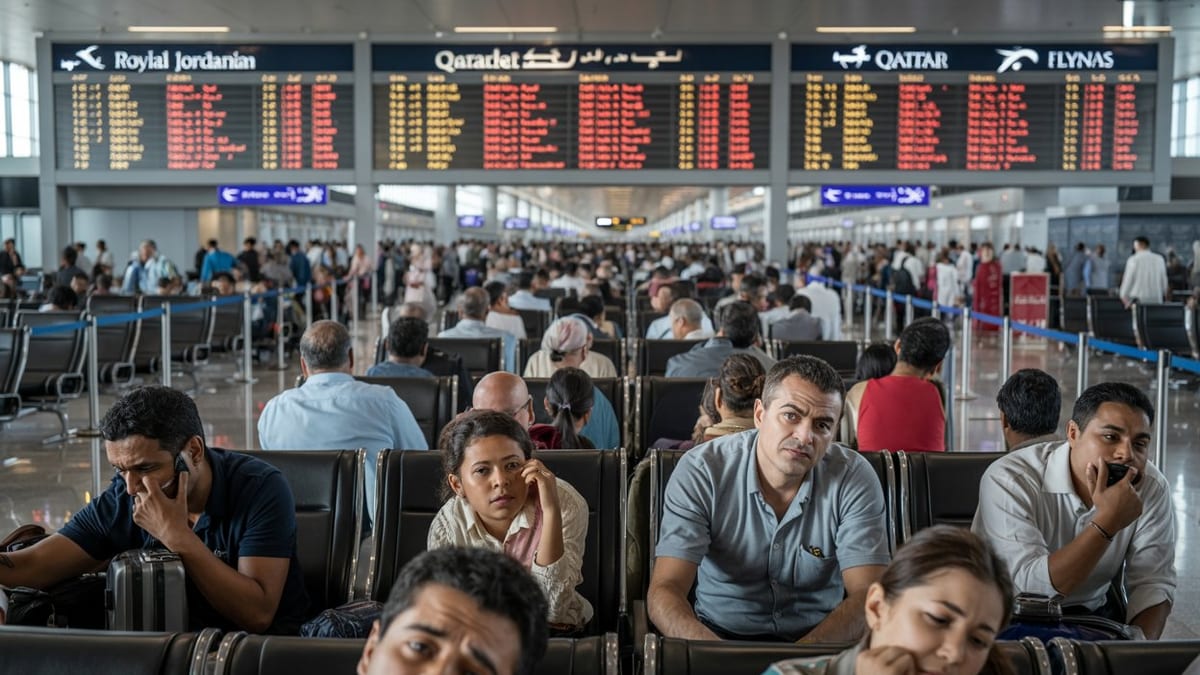
Nation’s Busiest Hub Again Becomes a Bottleneck
Publicly available tracking dashboards on Sunday indicated that Atlanta’s Hartsfield-Jackson, routinely ranked among the world’s busiest airports, was once again a focal point for operational strain, with delays clustering in the afternoon and early evening banks of departures. Flight-status boards showed a mix of late pushbacks and aircraft held at gates, while a smaller number of services were removed from schedules altogether.
The pattern fits a wider trend seen this spring in which airlines flying through major hubs have favored extended delays over outright cancellations, in an effort to keep aircraft and crew positioned for subsequent rotations. For passengers in Atlanta, however, that strategy has still translated into long waits at crowded gates and missed onward connections, particularly on multi-leg itineraries.
Data compiled over recent weeks by aviation information providers has highlighted how quickly minor schedule disruptions at Hartsfield-Jackson can ripple through domestic networks. Even on days when the airport is officially listed as operating without severe weather or ground stops, a buildup of delayed departures can push congestion into peak periods, compounding knock-on effects at other airports.
Delta, Southwest and Frontier See Knock-On Effects
Delta Air Lines, which maintains its largest hub in Atlanta, appeared to shoulder a significant share of Sunday’s disruption as late departures cascaded across its banked schedule. Routes to traditional Delta strongholds such as Chicago O’Hare and Denver showed multiple aircraft departing behind schedule, creating pressure for connection windows at those gateways as well.
Southwest Airlines, which operates a network of point-to-point routes through Atlanta, also registered delays on flights to leisure-focused destinations including Orlando. Public flight trackers showed certain departures pushing back more than an hour late, adding strain to aircraft utilization and turnaround times at both ends of the route.
Frontier Airlines, active on high-volume Denver and Orlando services from Atlanta, was among the carriers affected by the day’s disruptions. While the ultra-low-cost model depends on tight aircraft rotations, extended ground times in Atlanta can quickly erode buffers built into the timetable, increasing the risk that a single delayed departure can knock a sequence of subsequent flights off schedule.
Other domestic operators with smaller Atlanta footprints also reported scattered delays, reinforcing the airport’s role as a single point of failure in the broader U.S. air travel system. Once departure banks at Hartsfield-Jackson fall behind, downstream airports can find their own schedules slipping as late-arriving aircraft feed into evening operations.
Weather, Staffing and Infrastructure Under Scrutiny
While no single cause has been definitively tied to Sunday’s tally of 180 delays and a handful of cancellations, recent weeks have seen a combination of weather and staffing concerns weigh on operations at major U.S. hubs. Published coverage of the broader Memorial Day travel period has pointed to thunderstorms in the Southeast and staffing limits in key air traffic control sectors as recurring flashpoints that force airlines to revise departure flows.
Hartsfield-Jackson’s sheer scale makes it particularly vulnerable to such constraints. Even modest pockets of convective weather in the region can trigger miles-in-trail spacing or temporary ground delays that reduce the number of takeoffs and landings per hour, while any staffing shortfalls at security checkpoints or on the ramp can prolong the time required to move passengers and aircraft through the system.
Background documents from federal aviation planners also highlight ongoing airfield and infrastructure work at Atlanta that can periodically squeeze runway and taxiway capacity. Although these projects are designed to improve resilience in the long term, interim closures and construction zones leave less room to absorb spikes in demand or operational hiccups during peak holiday periods.
The result is a network environment in which airlines must juggle limited operational headroom with high passenger volumes. When several stress factors coincide, delay totals can escalate quickly even if the number of outright cancellations remains relatively small.
Disruptions Spread to Chicago, Orlando, Denver and Beyond
Because Atlanta functions as a central connecting point for large parts of the domestic network, Sunday’s problems were felt well beyond Georgia. Routes linking Hartsfield-Jackson with Chicago, Orlando and Denver were among those most visibly affected, according to real-time status boards that showed late arrivals and departures accumulating on both ends of several city pairs.
Chicago’s O’Hare and Midway airports, which have each experienced their own weather-related disruptions in recent weeks, faced additional schedule pressure as delayed aircraft from Atlanta arrived late into already congested ramp operations. For travelers attempting to connect in Chicago from Atlanta flights, shortened layovers increased the likelihood of misconnects and rebookings onto later services.
In Orlando and Denver, both key markets for leisure and outdoor travel, the impact was felt largely in the form of evening departures that left later than planned or arrived behind schedule, limiting options for same-day onward connections and ground transportation. Travelers heading back from weekend trips or moving on to secondary destinations within Florida, Colorado and neighboring states faced the possibility of arriving well past their intended times.
Smaller cities linked to Atlanta through regional feeder services were not immune. Delayed inbound aircraft from Chicago, Orlando or Denver can push back departure times on subsequent legs into secondary markets, meaning that knock-on effects from a relatively contained disruption in Atlanta may still be playing out across the network late into the night.
What Travelers Can Expect in the Coming Days
Industry observers note that while Sunday’s count of around 180 delays and a limited number of cancellations at Atlanta is modest compared with major storm-related meltdowns earlier in the year, it underscores how fragile on-time performance can be heading into the busy summer season. Holiday weekends, in particular, leave little slack in airline schedules, with high load factors making it harder to rebook disrupted passengers.
Travel data providers indicate that when delays cluster at a mega-hub such as Hartsfield-Jackson, residual effects can carry into the following day as aircraft and crews work back into position. That can mean early-morning flights on Monday departing on time but still operating with tight connections, followed by later departures that remain vulnerable if any new weather or staffing issues arise.
For passengers planning trips through Atlanta in the near term, the latest disruption figures serve as a reminder that even relatively small numbers of cancellations can mask wider network strain. Travelers connecting through Chicago, Orlando, Denver and other high-demand destinations may encounter crowded flights and limited flexibility if irregular operations resurface.
Airlines continue to adjust their day-of-operations playbooks, balancing the desire to maintain published schedules with the reality of frequent weather and staffing challenges. As Hartsfield-Jackson begins another peak travel stretch, performance at the Atlanta hub will remain a key bellwether for the reliability of U.S. domestic air travel overall.