


More news on this day
Record-breaking temperatures and a growing patchwork of red heat alerts across Europe are disrupting mid-year holidays, with Australian travellers heading for popular Mediterranean and UK hotspots now facing health warnings, shortened opening hours and potential cancellations.
Get the latest news straight to your inbox!
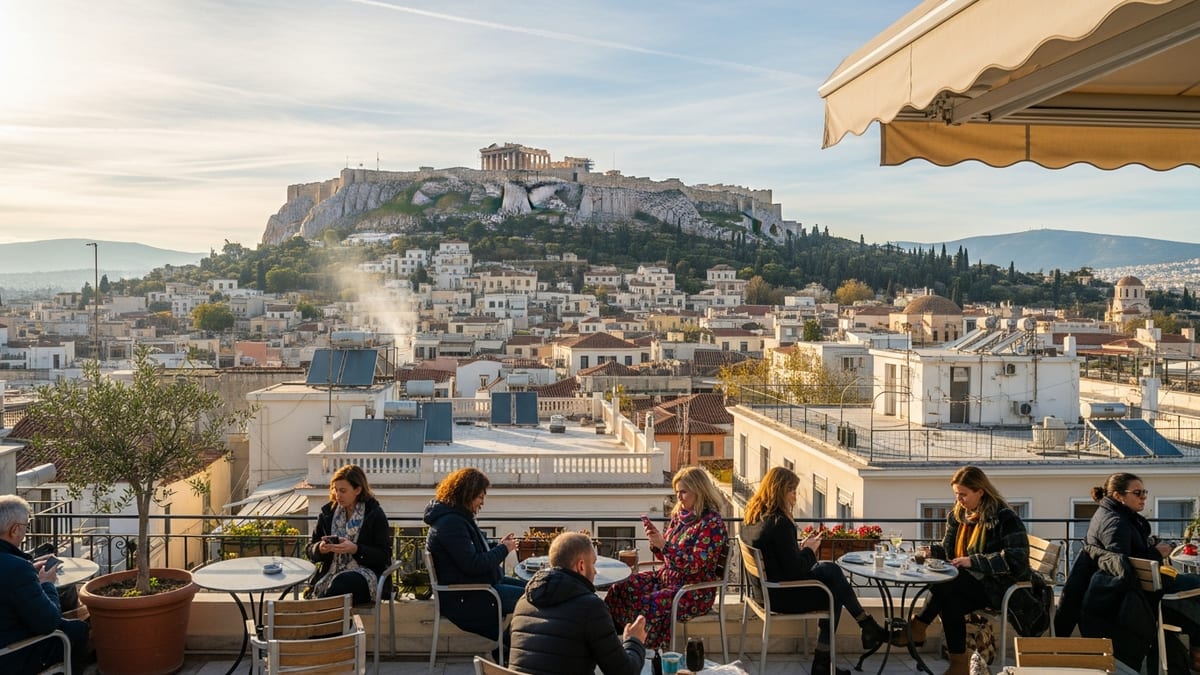
Europe’s key holiday corridors turn into heat “red zones”
Publicly available weather and tourism reports indicate that much of western Europe is experiencing an unusually intense June heatwave in 2026, with red-level alerts in parts of France, Spain, Italy, Belgium and the United Kingdom. In France, a large share of the population is now covered by the highest national heat warning category, while temperatures above 40 degrees Celsius have been recorded in multiple regions.
Spain’s national forecasters have placed most of the country under heat alerts, including red warnings in some northern areas more commonly associated with milder summer conditions. Parts of Italy are under extreme-heat notices for major cities such as Rome and Milan. In the UK, the Met Office has issued a rare red extreme-heat warning for sections of southern England and Wales, with temperatures forecast to challenge historic June records.
These conditions are unfolding just as Australian visitors arrive for peak European summer, particularly to Mediterranean coastlines, historic capitals and beach resorts. Travel industry updates show that many of the same places historically marketed in Australia as reliable “European summer” destinations are now appearing on daily heat alert maps, prompting fresh questions about how suitable they are for sightseeing and outdoor activities.
Meteorological agencies attribute the episode to a persistent “heat dome” pattern trapping hot air over western and southern Europe, compounded by already-warmed Mediterranean sea surfaces. Climate scientists quoted in international coverage note that Europe is warming faster than the global average, amplifying the intensity and frequency of such early-season hot spells.
On-the-ground impacts for Australian travellers
Travel advisories and media coverage suggest the practical impacts for visitors are being felt across transport, attractions and day-to-day plans. In France and Belgium, some rail operators have slowed services or advised travellers to reconsider non-essential journeys during the hottest periods, citing stress on infrastructure and potential delays. In the UK and continental Europe, authorities responsible for school systems and public buildings have instituted closures or reduced hours where cooling is inadequate.
Tourism-focused outlets report that major attractions, including museums and landmarks in Paris and Brussels, have shortened their opening hours or brought forward closing times during the hottest afternoons. Outdoor events from local festivals in Spain to fan zones and concerts in Germany have been cancelled or rescheduled to later in the evening, reducing options for daytime activities that many Australian visitors plan months in advance.
Travel insurers and airline customer notices reviewed by TheTraveler.org show early signs of knock-on effects. While most flights are continuing to operate, some carriers are warning of possible schedule changes in regions under prolonged heat stress, particularly where high temperatures can affect aircraft performance or airport operations. Tour operators offering guided walking tours and outdoor excursions in southern Europe are increasingly shifting departures to early morning or late evening, and in some cases suspending mid-afternoon departures altogether.
Health agencies across multiple European countries are reiterating guidance usually reserved for local heatwaves, but in languages aimed at tourists. Messages emphasise the importance of avoiding direct sun in the middle of the day, checking air-conditioned accommodation in advance, and paying particular attention to children, older travellers and those with existing health issues, all of which are highly relevant for Australian families travelling during the mid-year school break.
Mediterranean favourites under pressure
Australia’s most popular European playgrounds are among those bearing the brunt of the current heat. Spanish coastal regions, long a staple for beach packages marketed in Australia, have recorded temperatures near or above 40 degrees Celsius in recent days, according to national meteorological data. The country’s north and interior, not traditionally known for such extremes in June, are now facing the highest-tier alerts in some provinces.
In Italy, visitor photos and local coverage depict crowds clustering around water fountains and shaded squares in cities such as Rome, Florence and Bologna. Municipal authorities have opened cooling centres in some areas and are restricting certain high-risk outdoor activities during peak heat hours. For Australians used to dry heat at home, the combination of soaring temperatures and urban humidity can make long days of city sightseeing more taxing than anticipated.
Across the wider Mediterranean basin, the risk of wildfires is also rising. Environmental agencies and regional news outlets highlight that dry vegetation and strong winds are creating volatile conditions in parts of Spain, southern France and Italy. While no large-scale tourist evacuations have been reported in the latest wave, recent summers have shown how quickly fires can lead to road closures, smoky skies and sudden relocations from coastal resorts.
Australian consular advisories typically encourage travellers to monitor local news and follow instructions from emergency services in affected regions. In practice, this can mean staying abreast of local bans on outdoor barbecues, restrictions on hiking in forested areas, or sudden closures of national parks that are popular with visiting hikers and cyclists.
Rethinking itineraries and timing
For Australians with imminent departures, travel commentators suggest that the current European heatwave is less about cancelling holidays outright and more about strategic adjustment. Flexible itineraries, they note, allow travellers to swap a midday walking tour for an early-morning visit, or to build in more time for rest and indoor, air-conditioned experiences during the hottest stretch of the day.
Some travel planners are advising clients to reconsider inland city-hopping during peak heat days and, where possible, to shift towards coastal locations with sea breezes or higher-altitude destinations in central and northern Europe. However, with red alerts extending into parts of the UK, Belgium and Germany, even these alternatives may provide only modest relief during the most intense periods.
Forward-looking analysts are also pointing to a structural shift in the European summer season. With late-spring and early-autumn months now increasingly warm, there is growing discussion in the Australian travel trade about promoting May and September as “shoulder season” sweet spots, particularly for older travellers more vulnerable to extreme heat.
Booking patterns released by several large online travel agencies show early indications that Australian customers are already experimenting with these shoulder months, as well as looking more closely at heat and climate data before locking in non-refundable stays. The latest events in Europe are likely to accelerate that trend, prompting more travellers to weigh temperature and heat-alert histories alongside price and availability when choosing their next northern summer escape.
Preparing for a hotter era of European travel
Climate scientists reviewing recent European summers describe the current heatwave as part of a broader pattern, rather than an isolated anomaly. Studies published by European research centres and the World Meteorological Organization show that repeated high-intensity heat events are becoming more common across the continent, with tourism-heavy Mediterranean regions among the most exposed.
For Australian travellers, this is translating into a new set of practical pre-departure checks. Beyond passports and insurance, seasoned visitors are now weighing the presence of air conditioning, shade and pool access in accommodation choices. Travel doctors and health organisations recommend packing oral rehydration salts, high-factor sunscreen and lightweight, sun-protective clothing as standard for European trips during peak heat periods.
Travel businesses are also beginning to adapt. Some tour operators are revising their standard itineraries to include more early starts, longer lunch breaks and indoor cultural stops during the warmest hours. Others are highlighting lesser-known destinations in northern Europe where temperatures may remain several degrees lower, at least for now, than the hottest Mediterranean hotspots.
With red alerts for extreme heat now appearing in European cities that once marketed themselves on gentle summers, industry observers say Australian visitors can expect hotter, more variable conditions to be part of the travel landscape for years to come. Those planning to chase the northern summer are being encouraged to stay flexible, informed and ready to adjust plans as Europe’s weather maps turn an ever-deeper shade of red.