


More news on this day
Travel between Miami and Caracas has been abruptly disrupted after powerful earthquakes in Venezuela forced the closure of the country’s main international airport, prompting the cancellation of commercial flights on the busy route.
Get the latest news straight to your inbox!
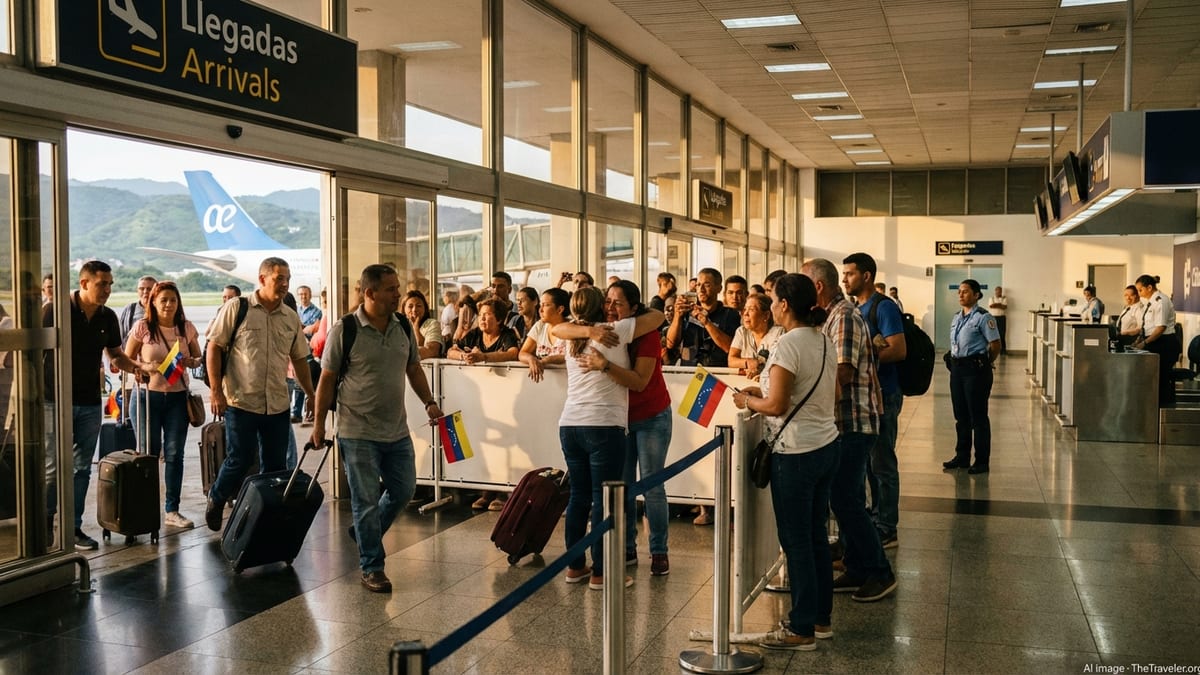
Airport closure in Caracas halts international traffic
Back-to-back earthquakes measuring more than magnitude 7 struck northern Venezuela on the evening of June 24, damaging infrastructure in and around Caracas and leading to widespread travel disruption. Publicly available information from seismic agencies indicates that the epicenters were located along the Caribbean coast, but the shaking was strong enough to topple buildings and cause power and communications outages in the capital.
The Simón Bolívar International Airport, also known as Maiquetía and serving Caracas, suffered visible structural damage, including collapsed sections of terminal ceilings and cracked surfaces reported in images and video shared on social media and by regional media outlets. In response, airport operators suspended all flight operations while emergency inspections and debris removal proceeded, effectively cutting off the primary international gateway to Venezuela.
Published coverage from international and Latin American outlets notes that several evening and overnight flights bound for Caracas on Wednesday were either diverted to alternate airports in the region or returned to their origin points as the situation became clear. As of Thursday morning local time, there was no firm public timeline for a full reopening, with reports indicating that the closure could extend for days while damage assessments continue.
Miami–Caracas route faces wave of cancellations
The shutdown of Caracas’ main airport is having immediate effects on travelers in the United States, particularly in South Florida, which has one of the largest Venezuelan communities abroad and serves as a key launching point for trips to the country. Miami International Airport is the primary U.S. hub for scheduled service to Caracas, and the route had only recently been reactivated after years of suspension.
According to airline statements and flight-tracking data cited in regional coverage, carriers have canceled or diverted flights operating between Miami and Caracas since the earthquakes, with aircraft unable to land at or depart from Simón Bolívar International Airport. At least one outbound flight that had been scheduled to depart Caracas for Miami was canceled after the terminal closure, while Miami departures headed to Venezuela have been removed from schedules for the short term.
Some travelers already en route on connecting services have found their flights terminating in third-country hubs such as Panama City or Bogotá, where airlines are consolidating operations and offering rebooking options. Others who had planned imminent trips from Miami to Caracas are being advised through public airline updates and airport information boards to check their flight status frequently, as further cancellations and time changes remain likely.
Airlines issue waivers and rerouting options
In the hours following the quakes, several Latin American carriers updated their travel advisories to reflect the disruption in Caracas. Publicly available notices from regional airlines show temporary suspension of flights to and from the Venezuelan capital, alongside flexible rebooking policies that allow affected passengers to change dates or request vouchers without standard change fees.
Policy details vary by airline, but common measures include allowing tickets issued before the earthquakes and scheduled to travel in the coming days to be moved to later dates, often within a defined window, or rerouted to other Venezuelan destinations that remain open and can be reached once airspace restrictions ease. Some carriers are also offering refunds when itineraries can no longer be reasonably completed due to the closure of Caracas’ main airport.
For travelers starting or ending their journey in Miami, this means there may be options to delay trips, rebook via alternative South American gateways once flights resume, or in some cases cancel travel plans altogether. Industry observers note that the full scope of schedule changes will depend on how long it takes to restore operations at Simón Bolívar International Airport and whether Venezuela’s aviation authorities introduce additional safety checks before authorizing flights.
What travelers between Miami and Caracas should know
People currently booked on Miami–Caracas flights over the coming days are being urged, through airport announcements and airline customer updates, to treat their itineraries as tentative until further notice. Even if their departure city airport is operating normally, any journey that relies on landing in Caracas remains subject to disruption as long as the main airport is closed for inspections and repairs.
Travelers are encouraged to monitor airline apps and official customer communication channels closely for real-time updates, as online timetables may lag behind rapid operational changes. Those who purchased tickets through travel agencies or third-party platforms may need to coordinate rebooking or refund requests through those intermediaries, which can add extra time to the process during periods of high demand.
Given the scale of the damage reported in northern Venezuela and the ongoing search and recovery efforts in affected communities, observers indicate that leisure and nonessential travel should be reconsidered in the short term. Even once flights are technically able to land in Caracas again, travelers may face power cuts, transportation bottlenecks and limited hotel availability in the metropolitan area and coastal zones.
Broader impact on regional connectivity
The disruption in Caracas is also rippling through regional aviation networks in the Caribbean and northern South America. Caracas functions as an important link between Venezuela and neighboring countries, as well as a connection point for some longer-haul itineraries. With its primary airport out of service, airlines are temporarily relying more heavily on secondary Venezuelan airports and foreign hubs, which may experience crowding and schedule compression.
Flights from Colombia, Panama and other nearby nations that routinely serve Caracas have been canceled or rerouted, reducing overall capacity into the Venezuelan market. For Miami-based travelers who often combine U.S.–Venezuela trips with onward regional connections, this means fewer immediate alternatives and a higher likelihood of overnight stays or extended layovers in intermediate hubs.
Travel industry analysts point out that, beyond the short-term operational crisis, the earthquakes are likely to influence traveler confidence and tourism flows to Venezuela in the coming weeks. Airlines and tour operators will be assessing infrastructure damage, demand levels and safety perceptions before restoring full schedules on routes such as Miami–Caracas, making it possible that reduced frequencies and continued caution could persist even after the airport officially reopens.