

More news on this day
Australia has shifted parts of the Middle East off its strictest “do not travel” list, easing advisories for key Gulf and regional hubs in a move that could gradually reopen vital transit routes for long-haul travelers.
Get the latest news straight to your inbox!
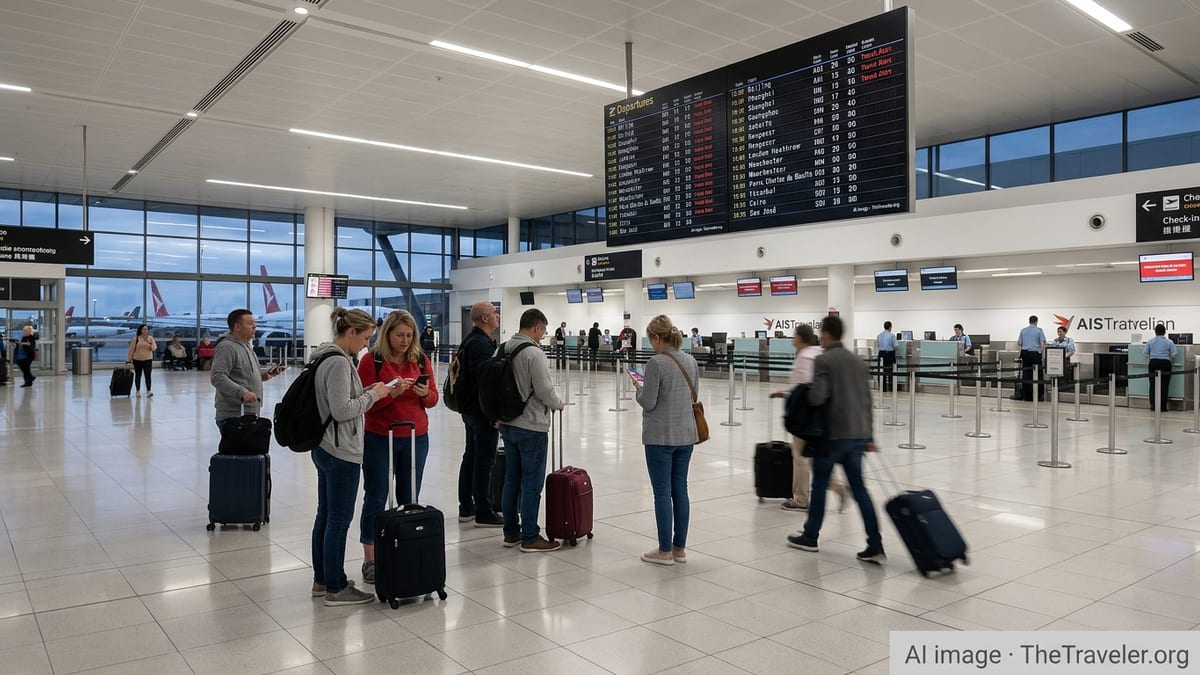
Key Middle East Destinations Move From Level 4 to Level 3
According to publicly available information from the Australian Government, travel advice for Bahrain, Israel, Kuwait, Qatar and the United Arab Emirates was on 17 June 2026 lowered from Level 4 “Do Not Travel” to Level 3 “Reconsider your need to travel.” Some areas within Israel remain at Level 4, reflecting continuing security concerns in specific locations.
The adjustment follows months of heightened alerts in response to regional conflict and missile activity that affected both civil aviation and on-the-ground security conditions. Government travel advisories describe Level 3 as a high threshold that still urges Australians to postpone non essential trips and to travel only where there is a compelling need.
Publicly accessible guidance also notes that while overall risk has eased in the five destinations, the broader regional situation remains volatile and could deteriorate with little warning. Travelers are being encouraged to monitor updates closely and be prepared for sudden changes to advice or transport links.
The decision marks a significant shift from the all out warning that, only days earlier, had placed major Gulf transit hubs at the highest risk category. For many Australians and international visitors who rely on connections through Dubai, Abu Dhabi and Doha, the revised status is likely to be seen as a cautiously optimistic signal.
High-Risk States Remain Under Strict “Do Not Travel” Advice
Despite the easing for several Gulf and Levant destinations, Australia’s overall stance on the Middle East remains highly restrictive. Public travel advice continues to list Iran, Iraq, Lebanon, Palestine, Syria and Yemen at Level 4 “Do Not Travel,” reflecting the intensity of ongoing conflict, the presence of armed groups, and the potential for further escalation.
Jordan, Oman and Saudi Arabia remain at Level 3 “Reconsider your need to travel,” in line with updated global assessments that still classify much of the region as high risk. International security analyses for March and April 2026 describe the overall threat environment across the Middle East as elevated, citing missile launches, cross border strikes and periodic disruptions to energy and transport infrastructure.
Independent risk bulletins tracking the period since late February 2026 portray a region where frontlines and hotspots can shift quickly. While some ceasefire arrangements have held temporarily, other attempts at de escalation have broken down within days, underscoring why official travel advice for several countries has not moved below Level 3.
Travel risk consultancies continue to label parts of the Middle East as high to extreme risk for civilian travelers. Their published guidance highlights that, in some countries still under Level 4, essential services and consular access may be limited or severely compromised in the event of a major incident.
Transit and Aviation: What Changes for Long-Haul Travelers
The latest Australian advisory change is particularly significant for aviation, as it follows a period in which Middle East hubs such as Dubai, Abu Dhabi and Doha were briefly covered by “do not travel” guidance. That earlier tightening had prompted a sharp rethinking of itineraries for travelers heading between Europe and Australia, many of whom traditionally route through the Gulf.
During the weeks of highest tension, airlines operating between Europe and Australasia rerouted flights north via the Caucasus and Central Asia, or south over North Africa and the Arabian Sea. Industry coverage indicated added flying time and operational complexity, while travelers faced longer journeys, higher fares and reduced connection options.
With the advice for Bahrain, Kuwait, Qatar and the UAE now at Level 3, carriers are expected to maintain services to these hubs, albeit with ongoing risk assessments and contingency planning. Aviation safety regulators in Europe and elsewhere continue to issue conflict zone guidance regarding overflights of certain Middle East airspaces, and operators are adjusting routings in line with those notices.
For passengers, the practical impact is a gradual restoration of transit possibilities rather than an immediate return to pre conflict normality. Schedules remain subject to late changes, and publicly available guidance from travel industry bodies stresses the value of flexible tickets and careful review of routing details, especially where connections approach conflict affected regions.
Insurance, Bookings and the Cautious Return of Demand
Travel insurers often align coverage rules with official advisory levels, and the shift from Level 4 to Level 3 in several Middle Eastern destinations may open the door for more comprehensive policies on certain routes. Industry analysis on similar advisory changes in other markets in recent weeks indicates that some insurers resume standard medical and cancellation coverage once destinations move below the highest risk tier, while others maintain exclusions linked to conflict and unrest.
Reports from global travel trade groups describe a tentative uptick in interest when major hubs move out of “do not travel” status, but also highlight that many travelers remain wary. Polls conducted in early 2026 and cited in recent coverage show that a substantial share of international travelers still prefer to avoid itineraries that transit near current or recent conflict zones, even when formal advisories soften.
Australian outbound bookings are expected to respond gradually to the adjusted Middle East settings. Tour operators and online agencies are likely to promote alternative routings where possible, including via Asian or North American hubs, while also highlighting newly viable Gulf options for travelers willing to accept higher levels of risk and complexity.
For inbound travel to Australia, the easing could alleviate some of the pressure on long haul itineraries that rely on Middle East carriers for competitive fares and convenient schedules. Tourism economists have previously warned that prolonged disruption to these corridors could dampen visitor numbers and add to costs for the country’s tourism sector.
What Australian Travelers Should Watch Next
Australian government travel advice continues to emphasise that the situation across the Middle East can change with little notice. Publicly available information urges travelers who proceed with essential journeys to maintain high levels of situational awareness, keep in close contact with airlines and tour providers, and register their details where such services are offered.
Security and aviation analysts expect further adjustments to risk assessments as the regional conflict evolves. Any renewed spike in missile activity, airspace closures or cross border attacks could trigger rapid revisions to both government advisories and airline schedules.
Travel industry guidance suggests that would be visitors weigh not only official advice, but also practical issues such as the robustness of travel insurance, the likelihood of last minute flight changes, and the availability of alternative routes home should a hub suddenly face restrictions.
For now, Australia’s decision to ease travel warnings for parts of the Middle East points to a cautious reopening rather than a declared return to normal. Travelers planning journeys through the region in the coming months will be navigating a landscape that is more flexible than it was in early June, but still far from predictable.