


More news on this day
Australia has intensified its travel warnings across the Middle East as renewed conflict, shifting front lines and unstable airspace create a highly volatile environment for international travellers, with Lebanon now grouped alongside Iraq, Palestine, Syria and other hotspots as destinations to avoid.
Get the latest news straight to your inbox!
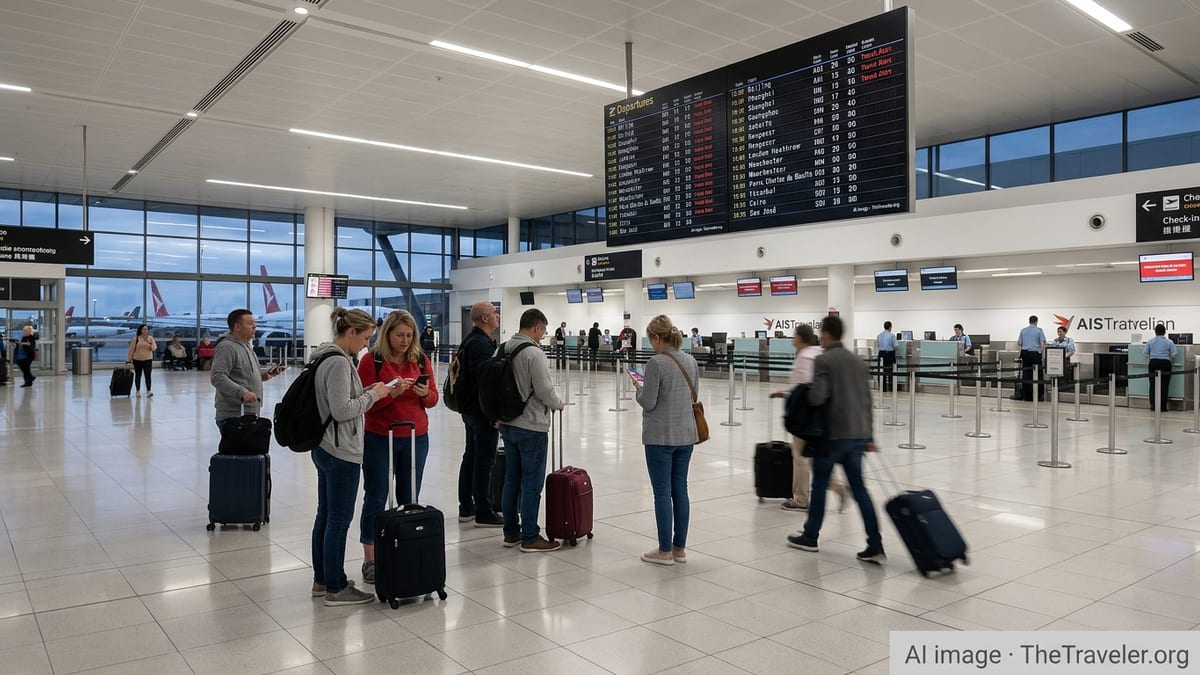
Australia Raises Middle East Travel Advice to Highest Levels
Australia’s Smartraveller service has moved Lebanon to its highest warning level of “do not travel,” aligning it with long-standing advice against visiting Iraq, Syria, Gaza and Yemen as the region experiences a fresh spike in conflict and security incidents. Publicly available Australian government guidance indicates the Lebanon rating was raised on 28 February 2026 after military strikes and cross-border attacks dramatically worsened the outlook for visitors.
Current Australian advice highlights a volatile security situation in Lebanon, particularly in the south and near the borders with Israel and Syria, and warns of the risk of further military action. Travellers are urged not to enter the southern governorates of South Lebanon and Nabatieh and to avoid areas within several kilometres of the Syrian border because of shelling, clashes and the presence of armed groups.
While some destinations in the broader Middle East have seen marginal easing of restrictions, Canberra’s updated messaging emphasises that the overall regional picture remains fragile. The government continues to stress that sudden escalations, border closures and airport disruptions can occur with little or no warning, leaving travellers with limited options to leave.
Lebanon Pulled Into Regional Escalation
Lebanon’s security environment has deteriorated markedly since early March, when intensified exchanges of fire between Israel and Hezbollah widened the impact of the long-running cross-border confrontation. International monitoring and humanitarian reporting describe an ongoing conflict in southern Lebanon, including airstrikes, artillery fire and displacement of civilians from frontline areas.
Foreign ministries in countries such as the United States, United Kingdom, Germany and the Netherlands broadly mirror Australia’s caution, categorising Lebanon as a “do not travel” destination due to terrorism, unrest, kidnapping risks and active armed conflict. Recent updates from these governments underline that a ceasefire announcement in April did not end fighting, with strikes and rocket fire still reported in parts of the south and the Bekaa Valley.
Analysts note that developments in neighbouring Syria and Iraq, together with tensions involving Iran and Israel, have further entangled Lebanon in a complex regional landscape. According to humanitarian situation updates, cross-border population movements between Lebanon and Syria have surged since February as residents seek safety or attempt to relocate away from potential flashpoints.
Airspace Uncertainty and Widening Flight Disruptions
The latest escalation has not only affected conditions on the ground but has also reshaped air travel across the Middle East. Aviation monitoring and industry reporting indicate that, following major strikes at the end of February, several countries including Iraq, Iran, Israel, Kuwait, Qatar, Bahrain, the United Arab Emirates and Syria issued temporary airspace closures or tight route restrictions, forcing airlines to cancel or re-route services.
In Lebanon, Beirut–Rafic Hariri International Airport has remained technically open, but flight schedules have been heavily disrupted. Local media and airline statements in early March described waves of cancellations affecting routes between Beirut and Gulf hubs, as carriers adjusted operations in response to closed or restricted air corridors in neighbouring states. Travellers were advised to check directly with airlines before heading to the airport.
International regulators have also reacted to the deteriorating risk profile. Public documents summarising guidance from bodies such as the US Federal Aviation Administration and the European Union Aviation Safety Agency describe parts of Middle Eastern airspace as high risk due to the conflict, prompting airlines to avoid certain flight information regions or altitude bands. This has lengthened some Europe–Asia routings and reduced capacity through traditional Middle East hubs, contributing to higher fares and longer journeys.
Coordinated Warnings From Multiple Governments
Australia’s stronger language towards Lebanon and surrounding states forms part of a broader wave of coordinated alerts from Western governments. The US Department of State has reiterated “do not travel” advisories for Iran, Iraq, Lebanon, Syria and Yemen, and in late March and early June issued region-wide security alerts urging citizens already in the Middle East to exercise increased caution, stay informed about local developments and review departure options while commercial flights are still available.
The United Kingdom, European Union members and other countries have issued similar warnings, drawing attention to the possibility of rapid deterioration and noting that embassies may have limited ability to provide assistance in the event of large-scale unrest or conflict. Some states have previously ordered the departure of non-essential diplomatic staff from Lebanon and Iraq during earlier spikes in tension, underlining concerns about unpredictability across multiple theatres.
Regional humanitarian agencies describe the escalation since late February as part of a wider crisis that has affected Afghanistan, Armenia, Iraq, Iran, Lebanon, Syria, Türkiye and parts of Central Asia, with millions displaced or facing heightened security threats. This environment has created significant operational challenges for airlines, tour operators and insurers attempting to manage exposure while responding to shifting governmental guidance.
What the Escalation Means for Global Travellers
For international travellers planning or already undertaking trips through the Middle East, the combination of conflict risk, changing airspace rules and revised government advisories has made itinerary planning more complex and time-sensitive. Many long-haul routes connecting Europe and Asia that traditionally transit Middle Eastern airspace now face potential detours, resulting in last-minute schedule changes, tight connection windows and extended journey times.
According to publicly available travel forums and industry commentary, travellers with tickets routed via major Gulf or Levant hubs have reported cancellations, diversions and rebookings, sometimes with little notice. In some cases, alternative routings via Central Asia or Africa have been offered, though capacity constraints and high demand have limited options, particularly at short notice.
Travel experts recommend that anyone with upcoming travel touching the region monitor official advisories from their home government alongside airline operational updates, and remain prepared for changes even after check-in. Flexible tickets, comprehensive travel insurance that covers war-related disruption, and contingency planning for additional overnight stays are increasingly viewed as essential rather than optional for itineraries intersecting the Middle East.
With Lebanon now firmly grouped alongside Iraq, Palestine, Syria and other high-risk locations on Australia’s travel-warning map, the overarching message from multiple governments is clear: non-essential travel into several Middle Eastern countries should be deferred, and essential journeys should proceed only with heightened situational awareness and a clear exit strategy.