


More news on this day
Europe’s increasingly digital railways are entering a new phase of scrutiny as Austria prepares tighter cyber rules for critical infrastructure, spotlighting how dependent cross-border mobility has become on secure data and network systems.
Get the latest news straight to your inbox!
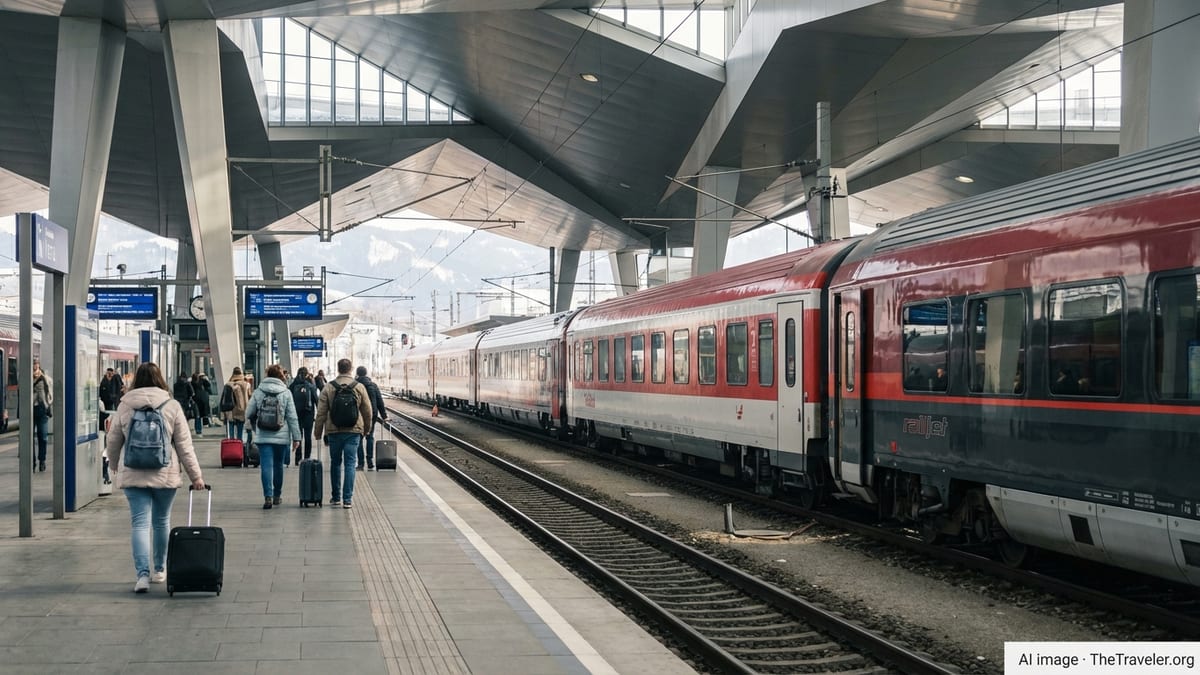
A Test Case for Europe’s New Cyber Rules
Across the European Union, the NIS2 Directive is reshaping how essential services approach digital risk, and rail transport is at the center of that shift. The law broadens cybersecurity requirements for operators that run critical infrastructure, including national railways and digital platforms that underpin everything from signalling to real-time passenger information. Member states are now translating the framework into domestic legislation, turning high-level principles into binding obligations for network operators.
Austria is emerging as one of the early test beds within the rail sector. Publicly available legal documents and specialist commentary indicate that Vienna is advancing a new Network and Information Systems Security Act that will apply NIS2 standards to a wide range of essential and important entities, with transport and rail explicitly in scope. The timing is sensitive for operators, as railways are in the midst of major programs to digitalize signalling, automate operations and integrate ticketing platforms across borders.
Analysts note that this convergence of regulatory pressure and technical transformation creates both an opportunity and a stress test. For policy makers, stricter cybersecurity oversight promises more resilient transport networks and clearer lines of accountability after incidents. For railway companies, however, the immediate challenge lies in aligning complex legacy systems, suppliers and on-board technologies with more prescriptive security and reporting rules.
Railway Networks Under the Digital Microscope
Modern railways rely increasingly on interconnected systems, from digital interlockings and European Train Control System equipment to IP-based communication platforms. Technical papers on the European Rail Traffic Management System describe a dense web of software, sensors and data links that together govern train movements, signalling and safety functions. This interconnectedness has improved capacity and punctuality, but it also expands the potential attack surface for malicious actors or cascading technical failures.
European agencies focusing on rail and cybersecurity have repeatedly highlighted the sector’s exposure to malware, ransomware and remote intrusion targeting both information technology and operational technology. Conference material and advisory reports describe a steady rise in reported cyber incidents affecting transport, with several analyses pointing out that attacks on signalling, control centers or ticketing back-ends can disrupt services far beyond a single line or operator. In many rail networks, critical operational assets are now reachable, directly or indirectly, from corporate networks and trusted third-party links.
Austria’s rail ecosystem mirrors these wider trends. Public documentation on national signalling upgrades shows that the country’s main operator is expanding the deployment of digital interlockings and centralized control systems, based on shared European specifications for IP networking and remote management. These projects promise greater flexibility and more efficient maintenance, yet they also concentrate decision-making and control in a small number of core systems that must be defended around the clock.
What Stricter Cyber Scrutiny Means for Passengers
For travelers, much of the new oversight will be invisible, but the consequences of weak digital safeguards are not. Ticket purchases, seat reservations and multi-leg international journeys now depend on cloud-based booking platforms and real-time data exchanges between operators. Disruptions caused by a cyber incident in one country can ripple quickly across borders, affecting passengers far from the original point of failure. Analysts point to past outages in telecoms and payment systems as a warning of how quickly everyday mobility can be interrupted when a critical digital service goes offline.
Under stricter rules inspired by NIS2, rail companies and infrastructure managers in Austria are expected to formalize incident response plans, strengthen access controls and monitor networks more aggressively. For passengers, this could reduce the likelihood of prolonged disruptions caused by ransomware or data loss, and it may also accelerate the way operators communicate about problems when they do occur. Clearer expectations around reporting and recovery times aim to limit the duration of timetable chaos, missed connections and rebookings after a cyber event.
There may also be short-term friction as railways roll out new security measures. Industry discussions suggest that stronger authentication for staff tools, tighter remote-access controls and periodic system testing can mean more maintenance windows and occasional slowdowns while upgrades are installed. In Austria, where long-distance corridors form key links between Germany, Hungary, Italy and other neighbors, any testing-related disruption is watched carefully by passengers and freight customers who rely on predictable schedules.
Cross-Border Rail and Supply Chain Challenges
Europe’s rail network functions as an interconnected web, and Austria sits at a strategic crossroads for passenger and freight routes between western, central and southeastern Europe. This position makes its digital security policies relevant well beyond its borders. Cross-border trains often depend on shared systems for traffic management, path allocation and rolling-stock monitoring. If one jurisdiction tightens cyber controls more quickly than others, transport analysts warn of potential mismatches in compliance expectations along a single international route.
According to technical briefings and sector reports, many European rail projects already aim to harmonize digital architectures through common specifications for signalling and interlocking. Austria’s main infrastructure manager is part of that broader effort, using shared standards for IP-based communication platforms that are supervised from centralized operation centers. As regulatory scrutiny intensifies, these shared architectures could either streamline security implementation across borders or expose gaps where responsibilities between infrastructure managers, train operators and suppliers are not clearly defined.
Supply chains are another point of pressure. Rolling stock, signalling hardware and software used in Austria often come from multinational vendors serving multiple European markets. New cyber rules emphasize vendor security practices, patch management and vulnerability disclosure, which may require operators to renegotiate contracts or demand more detailed assurance from suppliers. Industry discussions suggest that smaller technology firms may struggle with the documentation and testing regimes expected under NIS2-derived laws, creating tension between innovation, cost control and regulatory compliance.
From Compliance Checklist to Everyday Rail Resilience
Experts following NIS2 implementation stress that compliance is only the starting point. Rail networks are complex socio-technical systems, and legal requirements alone do not guarantee practical resilience. Guidance documents and conference presentations emphasize the need for continuous risk assessment, staff training and scenario-based exercises that simulate disruptions to signalling, control centers or critical data links. These activities are designed to ensure that when a security breach or software failure occurs, railways can keep trains moving safely or resume service quickly.
Austria’s emerging framework arrives at a moment when European debates on cyber risk are increasingly focused on operational continuity rather than just perimeter defense. Commentaries in specialist cyber and transport publications describe a shift in emphasis toward limiting the impact of an incident, maintaining essential timetables and safeguarding passenger safety even while systems are under stress. In rail, this translates into fallback procedures for degraded modes of operation, offline workarounds for ticketing and clear rules for prioritizing traffic if digital tools fail.
For travelers watching these developments from station platforms and onboard carriages, the policy details may seem remote. Yet the outcome of Austria’s cybersecurity push will help define what “secure mobility” means in practice for Europe’s railways. If the new scrutiny leads to better-protected control systems, clearer responsibilities across borders and faster recovery from disruptions, the digital backbone of European rail could emerge more resilient. If implementation proves uneven or burdensome, the sector may face a prolonged period of adjustment, with timetables and investment plans repeatedly tested by the demands of an evolving cyber landscape.