


More news on this day
Newark Liberty International Airport flight operations are continuing to stabilize after FAA traffic restrictions that triggered widespread delays and cancellations across the New York region, with spillover impacts still possible as airlines work through backlogs.
Get the latest news straight to your inbox!
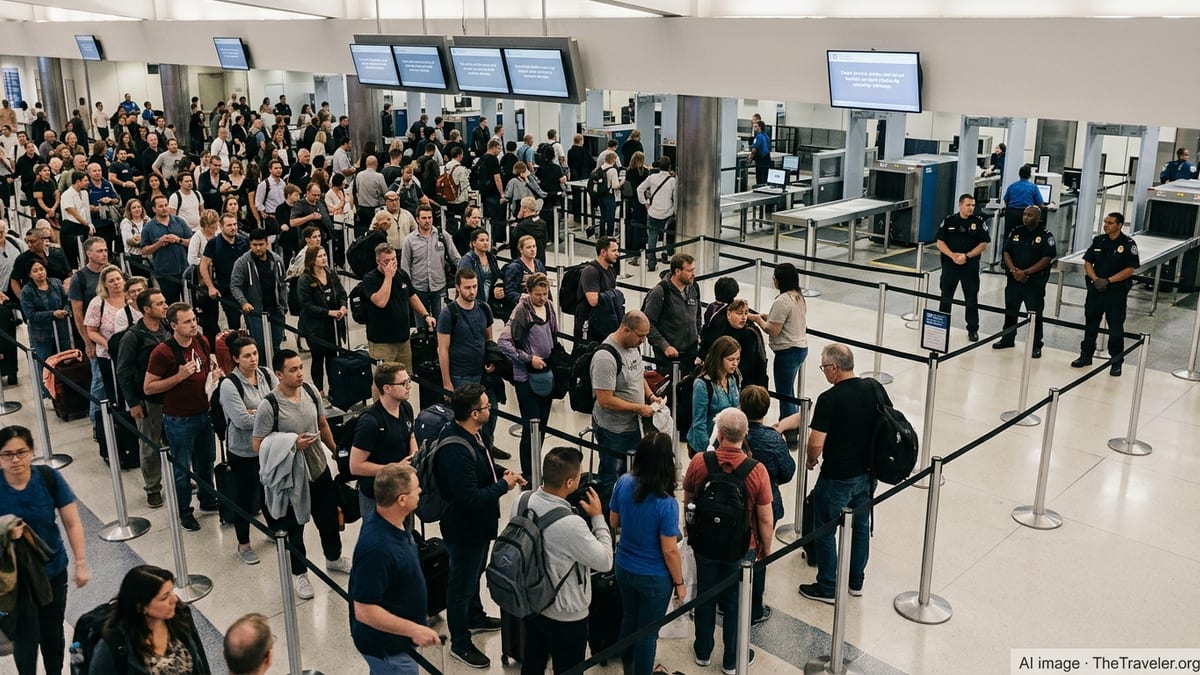
What triggered the FAA ground stop and regional disruption
Published coverage indicates the disruption stemmed from technical problems at a key FAA air traffic facility in the Philadelphia area that manages traffic for Newark and other busy Northeast airports. Reports tied the interruption to a communications failure and damaged fiber infrastructure, which reduced the system’s ability to safely sequence arrivals and departures at normal rates.
The ripple effects extended beyond Newark. Major airports in the New York City area and nearby airspace also faced flow restrictions, with airlines and travelers experiencing long delays as aircraft were held at departure airports or routed around constraints.
The timing mattered for travelers because the New York region’s airspace is tightly interconnected. When constraints hit one major hub, aircraft and crews can end up out of position, creating knock-on disruptions that can persist into later departures even after restrictions are eased.
Newark flight status now: where to check delays and cancellations
For the most reliable official snapshot of airport-wide conditions, the FAA’s Air Traffic Control System Command Center provides real-time airport status pages for Newark (EWR), including general arrival and departure delay trends. That information is designed to describe overall conditions rather than individual flights, so travelers still need to verify flight-specific details with their airline.
Flight-tracking services such as FlightAware can help travelers see current cancellations, reported delays, and inbound aircraft movement patterns at EWR. Because those figures can shift quickly as airlines consolidate schedules, a “low delay count” at a given moment does not necessarily mean disruptions are over, especially after a major regional event.
Passengers should plan for the possibility of rolling gate changes and delayed pushbacks as ramp operations normalize. Even when the FAA is no longer issuing broad stops, carriers may continue trimming schedules to reposition aircraft and crews or to avoid compounding congestion.
What travelers can expect today: delays, rebooking, and waivers
In the wake of the Northeast air traffic equipment and communications disruption, some airlines published exception policies covering Newark and nearby airports across a short window of impacted dates. These policies commonly allow eligible travelers to change flights without the usual fees, and in some cases provide additional flexibility when a flight is canceled and alternatives are not workable.
Travelers should look for airline-issued notices inside their trip details, in the carrier’s travel alerts section, or within the app where rebooking tools are usually fastest. Policies can be time-limited and may apply only to tickets purchased by a certain date, so it is important to read the eligibility criteria before changing anything.
For those connecting through Newark, a key consideration is whether to reroute through a different hub if the airline offers it. Because the disruption affected multiple airports in the region, switching to another New York area airport is not always a quick fix, and in some cases can create longer ground travel and baggage complications.
Ground stop vs. ground delay: why your flight can be “on time” but still not leave
A ground stop is an FAA traffic management action that temporarily prevents certain flights bound for an affected airport from departing their origin stations until conditions improve. It is a blunt tool used when the system cannot safely accommodate arrivals at the usual pace, including during equipment issues, severe weather, or sudden capacity reductions.
A ground delay program is different: flights may still depart, but with controlled departure times intended to meter arrivals and reduce airborne holding. In practical terms, travelers can see long waits at the gate, delayed boarding, or a departure time that keeps moving as the system recalculates.
During major disruptions, it is common for the FAA to move between different tools as conditions change, and for airlines to respond with their own schedule adjustments. That is one reason a flight can appear “scheduled” or even “boarding” while still being vulnerable to a late cancellation if crew duty limits, aircraft availability, or airspace constraints collide.
Getting to and around EWR while operations recover
Travelers should also factor in airport access and on-airport circulation. Publicly available Port Authority notices for the region routinely highlight construction-related lane closures and periodic AirTrain Newark maintenance or replacement work, which can add time to terminal transfers or train connections.
Passengers using rail connections should confirm whether AirTrain segments are operating normally for their planned travel time, and build extra buffer if buses are substituting for any portion of the route. Rideshare pickup locations and terminal curbs can also be affected by ongoing traffic management changes, so following airport signage closely can prevent missed pickups.
For travelers who are already at the airport, the most useful next steps are to monitor the airline app for reaccommodation options, keep an eye on boarding times that may shift, and confirm baggage handling instructions if rerouted to another airport or city. When a regional disruption occurs, flexibility and real-time checking tend to matter more than the original printed itinerary.