


More news on this day
A rapid escalation of avian influenza cases in Australia is prompting new caution for international and domestic travelers, as health updates highlight rising risks for wildlife, poultry operations and some popular coastal destinations.
Get the latest news straight to your inbox!
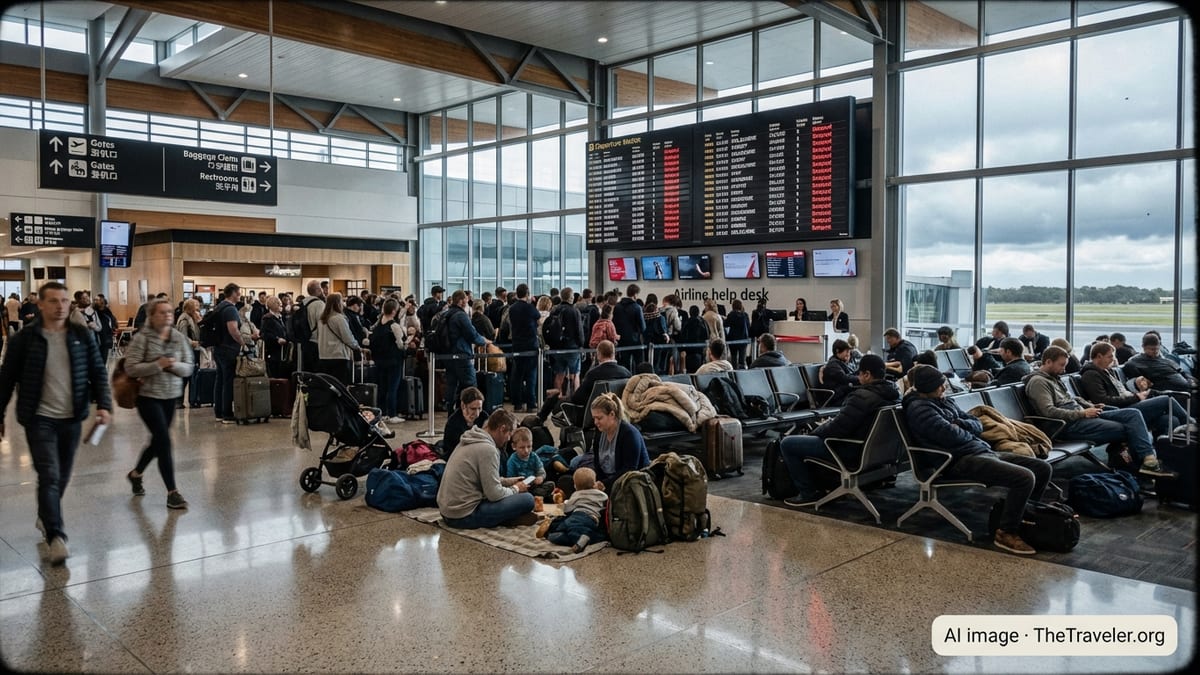
Cases climb as avian flu spreads among wild birds
Recent surveillance reports indicate a sharp rise in H5N1 avian influenza detections in Australia, with infections among wild birds reportedly tripling in the past week. The spike has been concentrated along key flyways and coastal habitats, many of which overlap with heavily visited tourism regions.
According to coverage from national and international media, wildlife agencies are struggling to contain the spread as the virus moves between species and across jurisdictions. The pattern mirrors outbreaks seen in Europe and the Americas in recent years, where avian flu placed sustained pressure on conservation programs and poultry industries.
Australian government advisories emphasize that the current situation remains primarily an animal health emergency, but the speed of transmission is drawing close monitoring. Publicly available information notes that large die-offs of seabirds and waterfowl can increase environmental contamination around beaches, wetlands and island reserves that attract both domestic visitors and overseas tourists.
With migration season under way in parts of the country, experts cited in recent analyses warn that case numbers may continue to fluctuate, and that unexpected local surges are possible as birds move along coastal and inland routes.
What the latest travel advisories are telling visitors
Australia’s official travel advisories have not introduced broad entry bans or quarantine requirements in response to the avian flu situation, but messaging for both outbound and inbound travelers is evolving. Travel notices for Australians heading overseas already draw attention to zoonotic disease risks, and government guidance is beginning to reference the domestic H5N1 outbreak in general health advice.
Publicly accessible government health pages currently focus on awareness rather than restrictions, encouraging travelers to stay informed about local updates in the states and territories they plan to visit. This includes checking recent health alerts for national parks, coastal walks, birdwatching hotspots and island destinations where wildlife encounters are common.
International carriers and tour operators are also reviewing contingency plans, according to industry reporting. While normal schedules are broadly continuing, some operators are flagging the possibility of short-notice changes to itineraries that rely on sensitive nature reserves, offshore islands and wildlife cruises if local biosecurity rules tighten.
Government travel advice also points to standard hygiene and food safety recommendations that now carry added weight. Travelers are being urged to pay closer attention to information provided at airports, ferry terminals and visitor centers, where updated signage and local alerts may be posted as the situation develops.
Biosecurity rules tighten at wildlife and farm touchpoints
Within Australia, biosecurity measures are being strengthened around high-risk locations, especially commercial poultry sites, wildlife rehabilitation centers and popular bird habitats. Publicly available information from state agriculture and environment agencies shows increased surveillance, movement controls on some poultry products and stepped-up disinfection requirements for vehicles and equipment.
For travelers, the most visible changes are likely to appear at farm stays, petting zoos, regional shows and certain eco-tourism experiences that involve close proximity to birds. Operators are beginning to adjust guest access, limiting direct animal contact, revising feeding activities and modifying tour routes to reduce the chance of visitors inadvertently contributing to spread.
Some coastal councils have issued precautionary guidance asking people not to handle sick or dead birds and to keep dogs on leashes in signposted areas. Visitors may also encounter temporary closures of specific beaches or walking tracks if local authorities consider the risk to wildlife or agricultural industries to be elevated.
Travelers arriving in Australia from overseas are already familiar with strict biosecurity controls at airports, and officials are using those existing systems to reinforce messages about footwear cleanliness, undeclared food and animal products, and the importance of following instructions from border staff.
Practical guidance for tourists planning Australian trips
Health agencies and travel experts stress that most people can continue with planned visits to Australia, provided they follow basic precautions tailored to the current outbreak. The focus is on reducing unnecessary contact with wild birds, avoiding areas where bird deaths have been reported, and respecting any temporary restrictions around nature reserves and farms.
Prospective visitors are encouraged to build flexibility into itineraries, particularly if they are traveling specifically for wildlife viewing or birdwatching. Having backup plans for coastal excursions and island day trips can help minimize disruption if local authorities decide to limit access to sensitive sites during periods of heightened risk.
Standard hygiene measures are also being highlighted. Travelers are advised to wash hands or use alcohol-based sanitizer after outdoor activities, avoid touching their face with unwashed hands and supervise children closely in areas where birds congregate. Food safety precautions around eggs and poultry dishes, already widely recommended, are being re-emphasized in the context of the outbreak.
Travel insurance providers have begun noting animal disease outbreaks in advisory updates, encouraging policyholders to review coverage for trip changes arising from local closures or altered tour operations. Travelers are being urged to read policy wording carefully and retain receipts for any additional costs linked to health-related disruptions.
Monitoring the situation in the weeks ahead
Analysts following the outbreak expect the coming weeks to be important in determining whether avian flu remains largely a wildlife and agricultural challenge or begins to drive broader travel interruptions. Patterns from previous international outbreaks suggest that targeted, early interventions can help keep tourism activity running, even under elevated alert levels.
Australian tourism bodies are watching visitor sentiment closely, aiming to balance accurate health messaging with reassurance that most destinations remain open and operating. Operators in regional areas affected by earlier environmental shocks, such as fires and floods, are particularly sensitive to the potential impact of another biosecurity scare on bookings.
For now, publicly available data and travel advice point to caution rather than alarm. Travelers are being encouraged to stay informed through official health and government channels before departure and while in-country, adjusting activities as needed if the geographic focus of the outbreak shifts.
With international interest in Australia’s wildlife experiences remaining strong, the response to this avian flu surge is likely to shape how the country manages the intersection of conservation, biosecurity and tourism for seasons to come.