


More news on this day
A recent landslide on Santorini’s vertiginous Karavolades Stairs has forced the emergency closure of the historic route linking the Old Port of Fira with the clifftop town, intensifying transport bottlenecks for thousands of cruise visitors arriving at the Aegean island at the height of summer.
Get the latest news straight to your inbox!
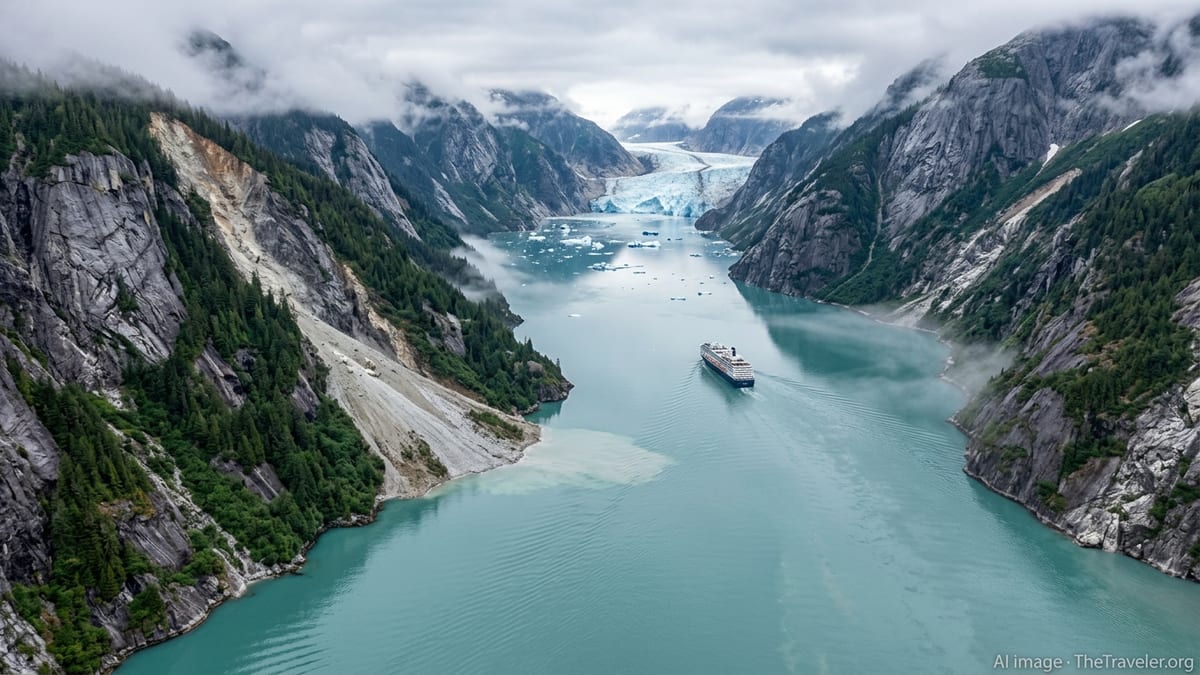
A Sudden Closure on Santorini’s Iconic Cliffside Stairway
Reports from cruise passengers and local travel forums in early August indicate that a rockfall has blocked a section of the Karavolades Stairs, the roughly 600-step staircase that climbs from the Old Port, also known as Skala or Gialos, up to the caldera rim at Fira. Photos and first-hand accounts describe taped-off access points and barriers preventing walkers from using the route in either direction.
The staircase, built into the sheer volcanic cliffs, is one of three traditional ways to move between sea level and Fira: on foot, by mule, or via the modern cable car. With the steps now out of service for safety reasons, visitors who might have split between the different options are being funneled almost entirely onto the cable car or into limited boat transfers operating to alternative landing points.
Travel guides typically describe the Karavolades climb as strenuous but straightforward, taking around 30 to 40 minutes in good weather and offering sweeping views across the caldera. Its abrupt closure at the peak of the Mediterranean cruise season removes what many budget-conscious and active travelers regard as the island’s primary low-cost alternative to the cable car.
Early accounts suggest that the landslide did not coincide with severe weather, leading some observers to speculate about gradual erosion, vibration from heavy use, or small seismic shifts weakening the rock face above the stairway. No serious injuries have been widely reported in connection with the incident, but there is growing concern that further movement could occur if the damaged section is not stabilized.
Old Port Choke Point as Cruise Arrivals Continue
The closure comes as Santorini is already managing one of the most concentrated cruise schedules in the eastern Mediterranean. Most large ships anchor in the caldera and tender passengers to the Old Port directly beneath Fira, a compact waterfront with limited pier space and minimal infrastructure beyond cafés, ticket kiosks and excursion boats.
In recent seasons, local regulations have directed the majority of cruise passengers to disembark at this Old Port rather than at the more spacious Athinios port used by conventional ferries. Travel planning resources note that on busy days several thousand visitors can arrive within hours, overwhelming the narrow quay and pushing wait times for the cable car to well over an hour.
With the stairway closed, reports from recent port calls describe queues snaking along the waterfront and up the pier as passengers wait for the six-minute cable car ride, the only remaining direct connection between the Old Port and Fira. Some cruise visitors have written that they chose to remain on board rather than face the congestion on shore.
The logjam is compounded at peak return times in late afternoon, when day-trippers from Oia and other parts of the island converge on Fira and funnel back down to the Old Port to meet tenders. Without the option of descending the steps to bypass the queues, both the boarding area for the cable car and the tender pontoons are experiencing compressed, high-density surges in foot traffic.
Safety Concerns on a Historic but Exposed Route
The Karavolades Stairs have long been both a functional link and a symbol of Santorini’s dramatic topography. Stretching roughly 200 vertical meters up the cliff face, the route zigzags through exposed sections of rock and passes under overhangs that are vulnerable to small-scale rockfalls, particularly after heavy rain or during periods of increased erosion.
Travel advisories have historically focused on the physical challenge of the climb, summer heat and encounters with working animals rather than on structural instability. Visitors are commonly warned to watch for slippery cobbles, donkey droppings and irregular steps. The new closure has shifted attention to the broader question of how resilient the path is in the face of rising visitor numbers and a changing climate.
Geological studies of Santorini’s caldera walls point to naturally fractured volcanic rock and past seismic activity. While small rockfalls are not unusual in steep coastal environments, the combination of cliff erosion, vibration from constant foot traffic, and occasional rainfall extremes increases the risk that previously stable sections can fail without much warning.
The emergency shutdown of the staircase is being interpreted by many observers as a precautionary move to prevent potential casualties while engineers and local authorities assess the integrity of the route. There is, however, no publicly announced timeline yet for surveying the damage or deciding whether to install additional netting, retaining structures or diversions before reopening.
Cruise Logistics Under Strain as Options Narrow
The immediate impact of the landslide is logistical. Without the stairs, the already delicate choreography of tenders, cable cars, shore excursions and independent sightseeing has less margin for error. Cruise planning sites and community forums are advising upcoming passengers to expect longer waits at the Old Port, to book early-morning tenders where possible, and to allow extra time to return to the ship before final boarding.
Some cruise lines had already been using alternative patterns, such as disembarking passengers at the Old Port but routing them back via Athinios by bus after excursions. With the stairway closed, such workarounds may become more common, although Athinios itself is a constrained facility hemmed in by cliffs and a busy island road network.
Independent travelers who once relied on walking up or down the steps to avoid crowds or cable car fares have fewer choices. While boat trips linking the Old Port with Oia’s smaller Ammoudi Bay and other landing spots exist, they typically serve organized tours rather than acting as mass-transport shuttles. The sudden spike in demand for any alternative to the cable car risks creating availability and pricing pressures.
The situation also has implications for crew operations and emergency planning. With one evacuation route effectively removed, ship operators and local stakeholders must factor the reduced redundancy into their contingency scenarios for medical evacuations, sudden weather changes or technical issues affecting the cable car.
What Travelers Should Expect in the Coming Weeks
For visitors scheduled to call at Santorini in the near term, the most immediate change is practical: walking the Karavolades Stairs is no longer a realistic option until stabilization work is complete and access is formally restored. Cruise passengers should review their ship’s port details to see whether arrival is planned for the Old Port or Athinios and adjust their plans accordingly.
Travel planners suggest building in generous time buffers, particularly for afternoon returns to the ship, and preparing for standing in direct sun while queuing. Those with reduced mobility or health concerns that make long waits or confined queues difficult may wish to consult their cruise line or tour operator in advance about alternatives.
Local tourism businesses are closely watching developments, as the closure affects everything from excursion timing to visitor flow through Fira’s narrow lanes and viewpoints. Some operators are expected to pivot toward more road-based itineraries that start and end at Athinios, spreading visitor traffic across the island’s limited road network rather than concentrating it almost exclusively at the Old Port.
Until a technical assessment is completed and a clear repair plan is in place, the historic Karavolades route remains an emblem of both Santorini’s rugged allure and the fragility of the infrastructure that underpins mass tourism on the island’s precipitous cliffs.