


More news on this day
Azerbaijan is sharpening its travel safety messaging as intensifying conflicts in Ukraine and across the Middle East raise new risks for its citizens abroad, urging travelers to stay away from high-risk zones and to comply strictly with local laws in the countries they visit or reside in.
Get the latest news straight to your inbox!
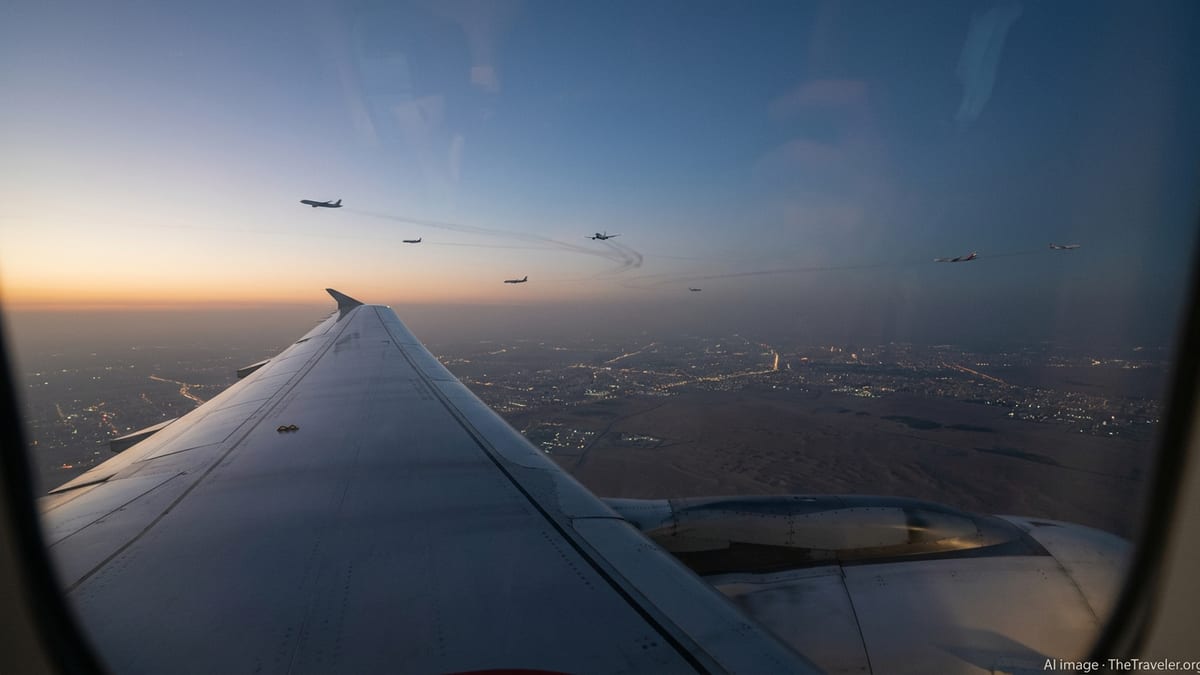
Heightened global tensions reshape Azerbaijan’s travel risk map
Recent developments in Ukraine and the wider Middle East have prompted a more assertive tone in Azerbaijan’s official guidance to citizens overseas. Publicly available statements and advisories highlight that active hostilities, missile strikes and rapidly shifting frontlines are creating unpredictable conditions in several destinations that traditionally received Azerbaijani business travelers, students and migrant workers.
Published coverage shows that security conditions in Ukraine remain volatile due to Russia’s ongoing military campaign, with regular reports of shelling and drone attacks affecting cities far from the front lines. International travel advisories continue to classify the country as a high-risk destination for foreign nationals, underscoring the dangers of movement by road or rail and the limited availability of consular assistance in conflict-affected areas.
In parallel, the Middle East has seen recurrent flare-ups involving Israel, Gaza, Lebanon and parts of Syria and Iraq, with cross-border rocket fire, drone strikes and civil unrest reported by multiple outlets. These overlapping crises have created a complex risk environment that affects air corridors, land routes and key transit hubs used by Azerbaijani travelers heading to third countries.
Against this backdrop, Azerbaijan’s foreign policy documents and consular notices increasingly frame travel safety as part of national security, with a focus on reducing citizen exposure to armed conflict, terrorism and arbitrary detention abroad.
Direct warnings on Israel, Iran and wider Middle East routes
Azerbaijan’s Ministry of Foreign Affairs has issued targeted alerts on specific Middle Eastern destinations as tensions have worsened. A publicly available advisory from August 2024, for example, urged citizens to avoid non-essential travel to Israel in view of a rapidly changing security situation and the risk of sudden escalation impacting civilian areas.
More recent operative information disseminated through state-linked channels points to continued concern about instability in parts of the region, including Iran and neighboring states. Reports indicate that Azerbaijani nationals have been encouraged to monitor local security announcements closely, keep travel documents and registrations up to date, and be prepared to modify or cancel itineraries at short notice if violence spreads or border crossings are disrupted.
Government press material from late 2025 describes large-scale evacuations of Azerbaijani citizens from multiple crisis zones, including Middle Eastern countries affected by unrest. Public information on these operations highlights how quickly commercial flights can be suspended when conflict intensifies, forcing citizens to rely on land routes or special charter arrangements to reach safety.
Analysts note that such experiences are now shaping a more cautious national posture toward outbound travel into unstable theatres. Official messaging stresses that citizens who choose to remain in or enter high-risk areas may face delays in receiving assistance if fighting escalates or critical infrastructure comes under attack.
Ukraine conflict drives stronger calls to avoid active war zones
The continuing war in Ukraine remains a central factor in Azerbaijan’s risk assessments. International advisories consistently rank Ukraine among the most dangerous destinations worldwide due to active combat operations, widespread damage to civilian infrastructure and the presence of unexploded ordnance in recently contested regions.
Publicly accessible guidance for foreign nationals warns that missile and drone strikes have repeatedly hit major cities, transport hubs and energy facilities, including locations far from immediate front lines. Such attacks complicate overland evacuation options and can leave travelers stranded without power, communications or medical support.
Azerbaijani officials, through published communiqués and regional policy documents, have echoed broader international calls for citizens to avoid entering active war zones unless absolutely necessary. The rationale combines humanitarian and legal considerations: individuals who voluntarily travel into heavily militarized areas may not only expose themselves to physical harm but also risk breaching local emergency regulations or curfews introduced by host governments.
Educational exchanges, seasonal labor and family visits that once connected Azerbaijan with Ukrainian regions have been significantly curtailed since the outset of the full-scale invasion. Travel industry observers say demand for routes passing through or near the conflict theatre has remained subdued, even when airlines briefly restored limited services, because of lingering perceptions of insecurity.
Compliance with host-country laws placed at center of safety message
Alongside its focus on physical security, Azerbaijan is placing renewed emphasis on legal awareness for its nationals abroad. Official consular materials stress that citizens are fully subject to the laws and regulations of the countries they enter, regardless of the circumstances that brought them there.
Public guidance highlights recurring problems that can arise when travelers underestimate the seriousness of local rules on immigration status, registration, assembly, online speech or contact with sensitive sites such as military facilities and border zones. In conflict-affected states, emergency legislation may further restrict movement, photography, curfew hours and access to strategic infrastructure.
According to regional travel risk assessments, violations of such rules can lead to detention, fines, deportation or bans on re-entry, even when individuals claim ignorance or misunderstanding. For citizens of countries like Azerbaijan that maintain close economic and cultural ties across Eurasia and the Middle East, these legal pitfalls are particularly relevant for labor migrants, students and truck drivers who cross borders frequently.
In this context, Azerbaijani messaging increasingly encourages travelers to study host-country legislation before departure, maintain valid visas and work permits, and keep copies of key documents accessible in both physical and digital form. Travelers are also reminded that insurance policies may exclude coverage for losses incurred while participating in illegal activity or disregarding official evacuation calls.
Travel industry and citizens adapt to a more risk-aware era
The shift in tone from Azerbaijan’s travel-related communication is reflected across the wider region, where airlines, tour operators and insurers are adjusting to a more fragmented and unpredictable risk environment. Industry commentary suggests that operators serving routes touching Ukraine, Israel, Lebanon and adjacent areas are revising contingency plans more frequently and monitoring official warnings from multiple governments.
For Azerbaijani citizens, this has translated into rising demand for flexible booking options, robust travel insurance and clearer information on what happens if borders close or flights are rerouted. Travel agencies in Baku and other major cities are reported to spend more time explaining the implications of elevated risk ratings, from possible schedule disruption to the prospect of being stranded if conflict zones shift quickly.
Policy observers note that Azerbaijan’s evolving guidance fits a broader global pattern in which states are taking a more proactive stance on warning their nationals about the dangers of travel to hot spots. While such messages stop short of blanket bans, they underscore a growing expectation that citizens will weigh security, legal and financial consequences carefully before entering volatile regions.
As conflicts in Ukraine and the Middle East show few signs of a rapid resolution, expectations are that Azerbaijan will continue refining its advisories, combining updates on specific high-risk destinations with reminders about personal responsibility and full compliance with the laws of the countries its citizens choose to visit.