

More news on this day
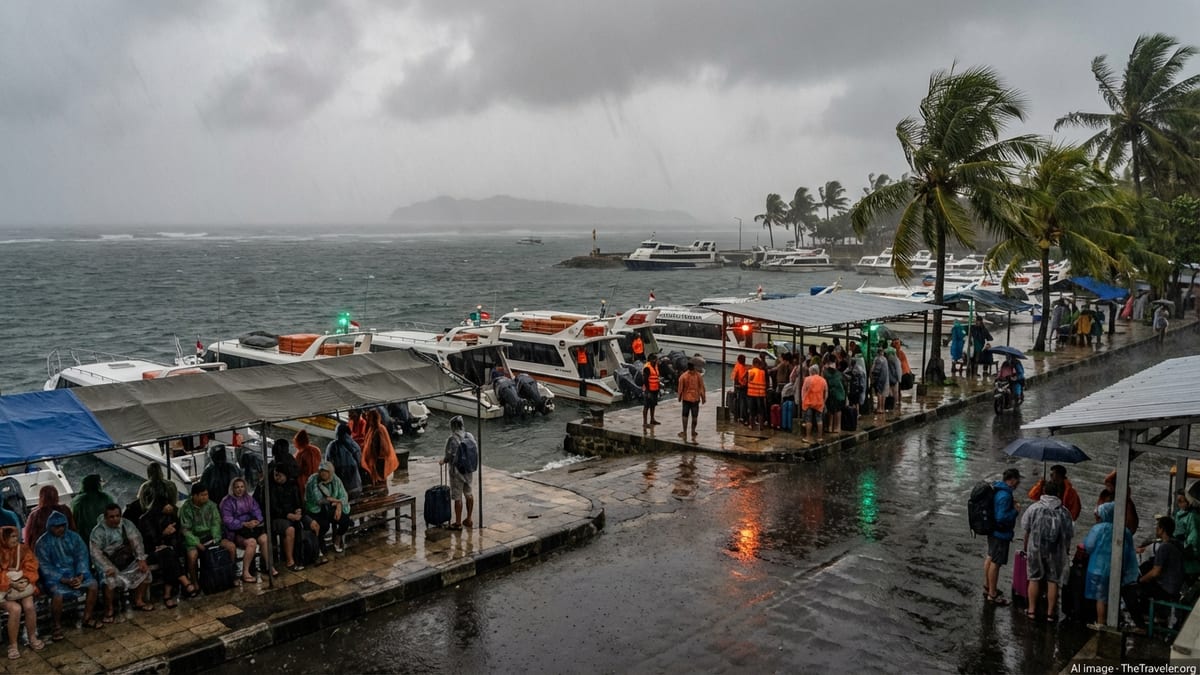
Heavy rains and flooding across Bali have begun to severely disrupt key travel gateways, with flight schedules at I Gusti Ngurah Rai International Airport strained and sea crossings from Sanur to Nusa Penida curtailed as authorities race to keep passengers safe.
Extreme Weather Pushes Bali’s Transport Network to the Brink
The latest wave of intense rainfall, which has battered Bali since February 22, is now spilling over into critical travel infrastructure, affecting both air and sea routes at the height of the rainy season. Local disaster agencies report dozens of flood and landslide incidents across Denpasar and southern Bali, with low-lying coastal districts among the hardest hit.
Ngurah Rai International Airport, the island’s primary gateway, has remained technically open but under mounting pressure. Periods of reduced visibility, waterlogged access roads and ground-handling delays have already forced airlines to divert or reschedule flights, adding to congestion during an already busy travel period.
On the coast, Sanur Port and nearby small harbors that connect Bali to Nusa Penida and surrounding islands are grappling with high seas, strong winds and flooded access points. Fast boat operators have begun cancelling or consolidating sailings, leaving hundreds of passengers facing long waits, crowded terminals or last-minute changes of plan.
Authorities are warning that conditions could fluctuate rapidly through at least February 27, urging travelers to treat all schedules as provisional and to be prepared for rolling disruptions as storms move across the island.
Flooding Near Ngurah Rai Airport Triggers Flight Delays and Diversions
While runway operations at Ngurah Rai remain intact, heavy flooding in surrounding neighborhoods has complicated access and ground movements. Residential streets to the north and south of the airport have been inundated, prompting local authorities to deploy emergency pumps and rapid-response teams to keep main approach roads passable for airport traffic.
Airport officials say they are working closely with Indonesia’s meteorological agency and air navigation services to manage the impact of fast-changing weather cells. In recent days, several international arrivals have been held in holding patterns, diverted to other Indonesian hubs or delayed at their points of origin while storms passed over the airfield.
Passengers transiting through Bali report long queues at check in and security, as well as knock-on delays for baggage and ground transfers. Car parks and access roads have experienced localized flooding, forcing vehicles to reroute and adding time to journeys between hotels and terminals. Travelers are being urged to leave significantly earlier than usual for departures and to monitor airline communications closely.
Despite the challenges, airport management stresses that safety margins remain the overriding priority for all operations. Decisions on takeoffs and landings are being reviewed flight by flight as weather bands move across the south Bali coastline.
Sanur Port Fast Boats to Nusa Penida Cut Back Amid Rough Seas
At Sanur, Bali’s main departure point for fast boats to Nusa Penida and Nusa Lembongan, operators have scaled back or halted some services as squalls and heavy swells sweep across the Badung Strait. Port officials and boat captains have reported poor visibility, choppy seas and strong crosswinds, which together make the short crossing significantly riskier for smaller vessels.
Ticket counters at Sanur have seen surging demand for the few departures still running, with travelers redirected to later sailings or encouraged to postpone crossings altogether. Many day-trippers hoping for quick island excursions have been left waiting in crowded departure areas or forced to abandon their plans and remain on the Bali mainland.
Local authorities have instructed operators to prioritize safety over schedule commitments, with captains given discretion to cancel at short notice if wave heights rise or lightning storms move in. Travelers who do sail are being asked to follow crew instructions carefully, wear life jackets when advised and anticipate slower crossing times than in normal weather.
The disruptions come just weeks after Sanur’s revamped harbor facilities and redistributed routes were credited with easing congestion to Nusa Penida. The current flooding and rough seas highlight how quickly extreme weather can overwhelm even upgraded infrastructure.
Nusa Penida Ferry and Cargo Links Under Strain
Beyond the tourist-focused fast boats, Nusa Penida’s vital vehicle and cargo ferries are also under pressure. The main roll-on roll-off routes that carry fuel, food supplies and building materials between Bali and the island have faced loading delays as storms complicate docking procedures and swell conditions at exposed piers.
A combination of high tides, strong winds and heavy rain can make approaching and securing ferries to Nusa Penida’s harbors difficult, especially during peak squalls. Port staff have had to pause operations during the worst downpours, creating temporary backlogs of trucks and passengers waiting to cross.
Local businesses on Nusa Penida warn that prolonged weather-related slowdowns could quickly affect hotel inventories, restaurant supplies and construction timelines. Many resorts on the island rely on frequent deliveries from Bali, and even short gaps in ferry services can have outsized impacts during busy tourist periods.
Officials in Klungkung Regency, which oversees Nusa Penida, are monitoring harbor conditions and coordinating with ferry operators to prioritize essential cargo and vulnerable passengers whenever crossings resume between storm bands.
Advice for Travelers Currently in or Heading to Bali
Travel safety agencies are advising anyone currently in Bali, or scheduled to arrive in the coming days, to build maximum flexibility into their plans. That includes reconfirming flights directly with airlines, checking hotel policies on late arrivals and changes, and being prepared for last-minute amendments to boat schedules to and from Nusa Penida.
Tourists staying in flood-prone coastal or riverside areas are being urged to follow instructions from hotel staff and local authorities, who may issue evacuation guidance if water levels continue to rise. Having a small go bag with essentials such as travel documents, medications, a change of clothes and basic supplies is recommended in case relocation becomes necessary.
Travelers hoping to visit Nusa Penida or other nearby islands are encouraged to treat their sea crossings as weather dependent rather than guaranteed. Booking with reputable operators, asking about safety procedures and accepting the possibility of cancellation are key parts of managing risk during this period of unsettled conditions.
With forecasts pointing to more heavy rainfall and the possibility of additional flooding and landslides, Bali’s tourism industry is bracing for several more days of operational turbulence. Visitors are being reminded that while the island remains open, patience, flexibility and close attention to official updates will be essential for safe and relatively smooth journeys.