


For many UK-based travelers, a British Airways American Express card looks like a fast track to long-haul reward flights and coveted upgrades. Between Avios, companion vouchers and glossy airline marketing, it is easy to assume that getting a BA Amex is a no-brainer. In reality, these cards can be brilliant tools for the right kind of traveler and an expensive distraction for everyone else. Before you apply, it is worth looking closely at how the products work in 2026, who they suit, and where people most often go wrong.
Get the latest updates straight to your inbox!
Understand the Different British Airways American Express Cards
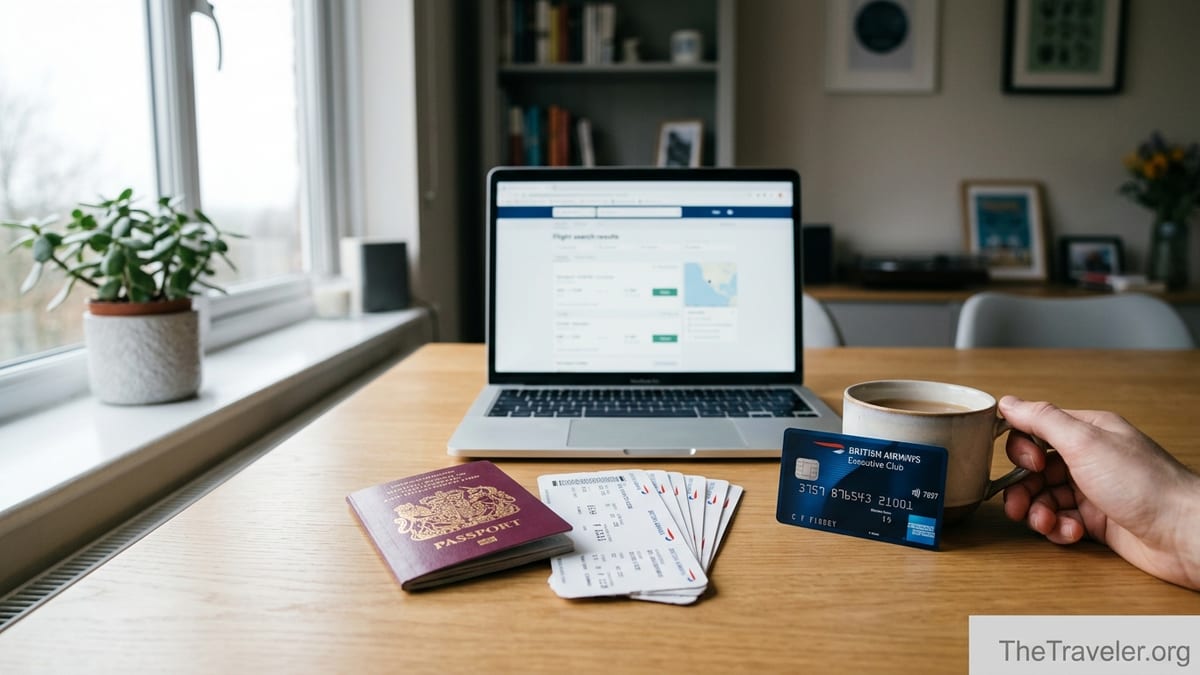
The first thing to grasp is that there is no single “BA Amex card.” In the UK personal market there are two main products aimed at individuals: the British Airways American Express Credit Card, which has no annual fee, and the British Airways American Express Premium Plus Card, which carries a substantial annual fee but offers richer rewards. There is also the British Airways American Express Accelerating Business Card for small and medium businesses, plus BA-branded corporate cards issued through employers. Each of these behaves differently in terms of Avios earning, welcome bonuses and companion vouchers, so applying blindly because “a friend said the BA Amex is great” is a common mistake.
As of mid 2026, the free British Airways American Express Credit Card typically earns 1 Avios per £1 spent on most purchases and offers a modest welcome bonus for new cardmembers who meet an initial spend target within three months. The Premium Plus version usually earns at a higher rate on BA spending, comes with a larger welcome bonus and has a lower spending threshold for triggering a more powerful version of the companion voucher, but you pay a three-figure annual fee for the privilege. Business owners have a separate Accelerating Business card that earns both Avios and On Business points on eligible company spend, with an annual fee in the region of £250, which only makes sense if the card is used heavily for business travel and expenses.
An example helps illustrate why you should match the product to your travel pattern. A couple in Manchester who fly once a year in economy to Malaga and otherwise holiday in the UK are unlikely to recoup the annual fee on the Premium Plus card, even if they technically earn a companion voucher. By contrast, a London-based consultant regularly flying to New York and Dubai in Club World, or a family booking long-haul economy during school holidays, might extract many hundreds of pounds of value each year from the premium product if they can be flexible and plan ahead.
Before you apply, write down how many BA or oneworld flights you realistically book in a typical year, what cabins you travel in, and whether you can be flexible on dates and departure airports. Only then compare cards. The glossy brochure will not do this thinking for you, and choosing the wrong product can leave you with fees and benefits you barely use.
Welcome Bonuses and the 24-Month Rule
The headline welcome bonuses on BA Amex cards are a major part of their appeal. It is common to see offers such as several thousand bonus Avios for spending a few thousand pounds in the first three months. However, buried in the small print is a key restriction: for the standard personal BA Amex cards, you are generally not eligible for a welcome bonus if you hold or have held any personal American Express card in the past 24 months. That includes non-BA products such as Amex Gold or Platinum. Many applicants are caught out by this and only discover after the fact that they will not receive the bonus Avios they were counting on.
Suppose you took out an American Express Preferred Rewards Gold card in September 2024 and cancelled it in May 2025. If you now apply for a BA Amex in June 2026, that is within 24 months of holding a personal Amex, so you are likely ineligible for any welcome bonus on the BA card, even if comparison sites still splash the bonus headline. By contrast, if your last personal Amex was closed in spring 2023, you might now qualify again. The exact wording can change slightly over time, so always read the current eligibility criteria on the application page before you rely on the bonus for a specific redemption.
The spending targets for triggering bonuses can also be deceptive. A typical example might require £2,000 of eligible spend in the first three months from account approval. That clock usually starts from the date your account is opened, not when you activate or receive the plastic in the post. Large purchases such as annual insurance premiums, train season tickets, or a holiday balance can be useful tools to hit the target comfortably if you plan them in advance. What you should not do is spend just for the sake of points, particularly at merchants that charge high Amex surcharges or by withdrawing cash, which attracts fees and interest but does not count as eligible spend.
Before applying, map out what natural spending you have in the first 90 days. If you cannot reach the threshold with bills, groceries, fuel and planned travel, the welcome bonus might tempt you into overspending, undermining any value from the card.
The Companion Voucher: Powerful but Often Misunderstood
The most distinctive benefit of the British Airways American Express cards is the companion voucher, often called the “2-4-1” voucher. When you hit a certain level of annual card spend, BA credits a voucher to your Executive Club account. You can then use that voucher to either bring a second passenger on an Avios booking for no additional Avios, or in some cases to receive a discount on the Avios for a solo traveler. You still pay taxes, fees and carrier charges for both seats, which on long-haul premium cabins can run to several hundred pounds per person.
In mid 2026, the free British Airways American Express Credit Card typically requires £15,000 of spend in a card year to earn its companion voucher. This voucher is usually valid only in economy and premium economy cabins and has a shorter validity period. The Premium Plus card has a lower annual spend requirement and its voucher can be used in all cabins, including Club World and First, with a longer validity. Many travelers chasing lie-flat seats to places like Barbados or Los Angeles deliberately pay the Premium Plus fee because the enhanced voucher unlocks far greater Avios savings on these high-cost routes.
A concrete example shows how the maths can work. A return off‑peak Club World reward flight from London Heathrow to New York might cost around 120,000 Avios for one person, plus roughly £700 to £900 in taxes and surcharges depending on the fare option you choose. With a Premium Plus companion voucher, you could book two Club World seats for the same 120,000 Avios, paying the cash charges for both passengers. If you value Avios at around 1p each, saving 120,000 Avios equates to roughly £1,200 of value, more than enough to justify the card fee if you also earn Avios on your everyday spending. On the other hand, if you use a free card voucher to get a second economy seat to Paris where each ticket would have been relatively cheap to buy with cash, the real-world value may be closer to £50 or £60.
It is also vital to understand timing. BA releases a limited number of reward seats on each flight, with at least two Club World seats guaranteed on most long‑haul flights when they first become available around 355 days before departure. In peak school holiday periods, those seats can be snapped up within minutes. Savvy BA Amex cardholders often set alarms to call or log in right as flights are released, especially for destinations like the Maldives at Christmas or Orlando during summer holidays. If you are not prepared to plan almost a year ahead, you may find your companion voucher surprisingly hard to use on the routes and dates you really want.
New Ways to Use Vouchers: British Airways Holidays and Partner Trips
Recent changes have expanded how BA Amex vouchers can be used, which is good news for flexible travelers but can add confusion. Until relatively recently, companion vouchers were limited to reward flights booked with Avios. As of 2026, BA has introduced the ability, for a limited period, to apply certain BA Amex companion vouchers towards British Airways Holidays packages. In practice this can mean getting a percentage of the Avios you redeem for a flight‑plus‑hotel or flight‑plus‑car package credited back, up to a cap, rather than using the voucher purely as a second seat on a flight.
Imagine you book a week in Tenerife in March, packaging flights and a hotel through British Airways Holidays and paying mostly with Avios. Under the current promotional rules, you might be able to apply your voucher to reclaim a proportion of the Avios used on the package, effectively lowering the Avios cost of the trip without having to hunt for two reward seats on exactly the same flight. This is particularly appealing for families who value the ATOL protection and lower deposits that come with BA Holidays, or for those traveling to destinations where standalone reward seats are thin on the ground.
There have also been developments in how vouchers interface with partner airlines. Historically, BA Amex vouchers were largely restricted to BA‑operated flights. In 2026, news outlets have reported trials that allow some vouchers, when redeemed via BA Holidays packages, to be applied to trips involving partner airlines such as American Airlines or Qatar Airways under specific conditions. In practice, this might let you book a London to Miami holiday where the flight is operated by American Airlines but still leverage the value of your BA Amex voucher through the package structure. The precise rules can be nuanced and limited‑time, so always check what is possible at the moment you book.
The key takeaway is that the voucher is becoming more flexible, but also more complex. A traveler who only ever thought of it as “a free second ticket” now has alternative strategies. Someone planning a city break in Boston with a partner might still get the best value from the classic two‑for‑one Club World redemption. A solo traveler looking at a multi‑city trip involving Doha and the Maldives may find more value using the voucher to soften the Avios cost of a BA Holidays itinerary instead. Before you apply for a BA Amex solely to earn the voucher, consider which of these use cases really matches how you travel.
Fees, Interest and Where People Lose Money
Like all rewards credit cards, BA Amex products are designed to be profitable for the issuer. If you carry a balance from month to month, pay late or use the card for cash-like transactions, the cost can quickly outweigh any Avios or vouchers you earn. Representative APRs on UK credit cards can easily sit around or above the high twenties, and business products can look even more expensive once you factor in annual fees. These rates are variable and depend on your circumstances, but they are always far higher than the effective value you get from the points.
Consider a traveler who spends £15,000 in a year on a Premium Plus card to unlock the companion voucher, but who also routinely carries a £2,000 balance at an interest rate above 25 percent APR. Over the course of a year, they might pay several hundred pounds in interest, more than wiping out the notional value of the Avios earned and the benefit of the voucher, especially if they then use that voucher for a relatively modest short‑haul redemption. By contrast, a cardholder who pays their balance in full every month, avoids cash advances and uses the card only where Amex is accepted at normal rates is far more likely to come out ahead.
The annual fee itself should be treated as a cost to be recovered through travel value, not as a sunk cost. If your Premium Plus fee is charged in full at the start of your card year, but you later downgrade or cancel the card after earning and using your voucher, you may or may not receive a pro‑rata refund depending on current American Express policy, which has changed in recent years. Before applying, check the latest stance on partial fee refunds and think through whether you are comfortable keeping the card for the full year even if you decide to pause your BA flying.
There are also international usage considerations. BA Amex cards charge non‑sterling transaction fees when used abroad, typically a few percent on top of the exchange rate. If you regularly travel to the eurozone or the United States and spend heavily on dining and shopping, those fees can quickly add up. For example, spending £2,000 equivalent on a city break in Barcelona on your BA Amex could incur around £60 in foreign transaction charges, more than the Avios value you might earn from the trip. Many experienced travelers pair a BA Amex for UK spending and flight bookings with a specialist no‑FX‑fee card for purchases overseas.
Who Should Consider the Business and Corporate BA Amex Cards
Beyond the personal cards, BA and American Express offer business and corporate products that look tempting if you travel for work. The British Airways American Express Accelerating Business Card is aimed at UK small and medium‑sized enterprises. It typically carries an annual fee around £250 and allows cardmembers to earn Avios on spend while the company also collects On Business points on qualifying British Airways flights. For a firm that regularly books long‑haul flights for staff, the combined earning can add up quickly, funding future trips or cabin upgrades for the business.
In practice, a small marketing agency in Bristol that flies team members to client meetings in Berlin and New York several times a year could charge flights, hotels and advertising spend to an Accelerating Business card. The Avios might be used for occasional staff incentives, such as a Club Europe city break for a top performer, while the On Business points help cut the cost of future transatlantic trips for senior partners. However, if your business rarely flies BA, or tends to buy the cheapest possible economy tickets on low‑cost carriers, a travel‑rewards business card may simply not be the right instrument.
Corporate BA Amex cards, which are usually issued under a company’s corporate card programme rather than to individuals directly, operate slightly differently again. Employees might earn personal Avios on business travel while the employer enjoys streamlined expense reporting and negotiated airline benefits. If you are an employee offered one of these, the decision is less about applying and more about understanding how it interacts with your own Executive Club account. You should check whether you can still collect Tier Points and Avios personally on work flights, and whether there are any rules about using points earned on corporate travel for private trips.
For freelancers and consultants, the key question is whether to blur business and personal spending on one BA Amex. While that can simplify hitting the spending threshold for a companion voucher, it also means mixing business cash flow with personal rewards decisions. Keeping a clear record of VAT, deductible expenses and client billables is essential if you go down this route, and some self‑employed travelers prefer a dedicated business card like the Accelerating Business product specifically to keep those lines tidy.
Alternatives and When a BA Amex Might Not Be Right
Despite the strong brand recognition, a BA Amex is not automatically the best card for every UK traveler. If you rarely fly British Airways or its oneworld partners, you may be better served by a more flexible points card that earns transferable points which can be converted into multiple airline and hotel programmes, or by a cashback card if you prefer simple statement credits. Someone whose main trips are easyJet weekends to Europe, train journeys within the UK and occasional non‑BA package holidays may struggle to extract enough value from Avios redemptions to justify the effort.
An example illustrates this. A couple based in Glasgow might find that many of their leisure trips start on low‑cost carriers out of Edinburgh, and that BA’s network from Glasgow involves connections via London that add time and cost. If they apply for a BA Amex, dutifully spend £15,000 on it over a year and finally earn a companion voucher, they could discover that finding good‑value redemptions from their home airport in school holidays is frustrating. By contrast, a simple cashback credit card or a rail‑focused reward card might line up more closely with their actual travel patterns.
Another factor is acceptance. While Amex acceptance has improved significantly across the UK, there are still independent shops, tradespeople and even some online merchants that do not take Amex or surcharge it. If a significant chunk of your spending happens at places that prefer Visa or Mastercard, you may struggle to put enough through the BA Amex to earn the voucher without resorting to artificial spend. In that case, holding a Visa or Mastercard that earns cashback or flexible points, and perhaps using BA Amex only for flights and major retailers that welcome Amex, might be a better blend.
Finally, consider whether you actually enjoy planning and optimizing your travel. BA Amex cards reward those who are willing to think about off‑peak calendars, partner airlines, creative routings and logging in at midnight when reward seats open. If that sounds like fun, these cards can become powerful travel tools. If you would rather book whatever flight looks easiest on a comparison site two months before departure, a simpler card is probably a better fit.
The Takeaway
Before applying for a British Airways American Express card, step back from the marketing and look hard at how you really travel. These products can be hugely rewarding if you fly BA or oneworld partners regularly, can plan trips far in advance and are disciplined about paying your balance in full every month. The combination of Avios earning, a well‑used companion voucher and occasional promotional perks such as BA Holidays redemptions can unlock business‑class experiences that might otherwise feel out of reach.
On the other hand, if you rarely fly BA, dislike long‑term planning or tend to carry a balance on your credit cards, a BA Amex could cost you more in fees and interest than you ever claw back in rewards. The welcome bonus may be unavailable due to the 24‑month rule, the companion voucher may prove awkward to use on your preferred routes, and the foreign transaction fees may erode the value of using the card abroad.
The smartest approach is to treat the BA Amex range as specialist tools rather than default choices. Compare the free and premium versions honestly against your flight patterns, check the latest terms for welcome bonuses and voucher usage, and run simple back‑of‑the‑envelope calculations on whether you are likely to come out ahead over a full card year. If the numbers and your travel habits line up, these cards can be superb companions for frequent flyers. If not, you will be glad you paused before applying.
FAQ
Q1. Do I need to be a British Airways frequent flyer to benefit from a BA Amex card?
You do not need to be a heavy flyer, but the more you actually fly with British Airways and its partners, the easier it is to extract good value from Avios and companion vouchers. Occasional BA travelers can still benefit, but should be realistic about how many redemptions they will make.
Q2. Can I get the welcome bonus if I already have another American Express card?
For most personal BA Amex cards, you will not be eligible for a welcome bonus if you hold or have held a personal Amex in the previous 24 months. There are nuances and occasional promotions, so always check the latest eligibility wording before applying.
Q3. Is the Premium Plus annual fee worth paying over the free BA Amex card?
The Premium Plus fee can be worth it if you are likely to earn and use the more flexible companion voucher on long‑haul or premium‑cabin redemptions each year. If your travel is mostly short‑haul economy, or you are unsure you will use the voucher well, the free card is usually safer.
Q4. Can I cancel the BA Amex after earning the companion voucher?
You can usually cancel or downgrade the card after your voucher has been issued and it should remain in your BA Executive Club account until expiry. However, policies on partial fee refunds and requirements to hold the card at the time of travel can change, so check current terms before you make a decision.
Q5. Do BA Amex cards charge foreign transaction fees when used abroad?
Yes, BA Amex cards typically add a non‑sterling transaction fee on purchases made in foreign currencies. Many travelers therefore keep a separate no‑FX‑fee card for everyday spending overseas while reserving the BA Amex for flights and UK purchases.
Q6. How hard is it to actually use a BA Amex companion voucher?
Using a voucher can be straightforward on less popular routes and dates, but on peak holiday periods and premium cabins you may need to book close to 355 days in advance or be flexible on airports and dates. Travelers who can plan early tend to have the best experience.
Q7. Can I use the companion voucher if I pay cash for my flight?
No, traditional BA Amex companion vouchers apply to reward flights booked with Avios, not to purely cash tickets. Recent developments allow some vouchers to be used via British Airways Holidays redemptions, but you cannot generally attach one to a standard cash fare.
Q8. Will a BA Amex card help me earn British Airways status faster?
Avios from card spend do not count towards Tier Points, which determine BA status. However, promotions and future changes have hinted at closer links between BA Amex spend and Tier Point earning, so it is worth watching for updates rather than relying on the card alone for status.
Q9. What credit score do I need to be approved for a BA Amex?
American Express does not publish a specific score requirement, but BA Amex cards are generally aimed at applicants with good to excellent credit histories. A clean record, stable income and low existing debt levels improve your chances of approval.
Q10. Is a BA Amex card right for someone who mostly travels with children in school holidays?
It can be, but only if you are prepared to plan very early and be flexible on destinations. Reward seats during school holidays are highly sought after, so families should be realistic about the effort involved in using vouchers on peak‑time flights.