


Choosing the right airline credit card can feel as complex as routing a round-the-world award ticket. Fees, mile values, lounge perks and companion vouchers all compete for your attention, especially if you are comparing flexible US cards with a niche option like the British Airways American Express Card. This guide breaks the decision down by budget level and travel style, then sets each recommendation against what you would get with the British Airways Amex, so you can see which card truly fits the way you fly.
Get the latest updates straight to your inbox!
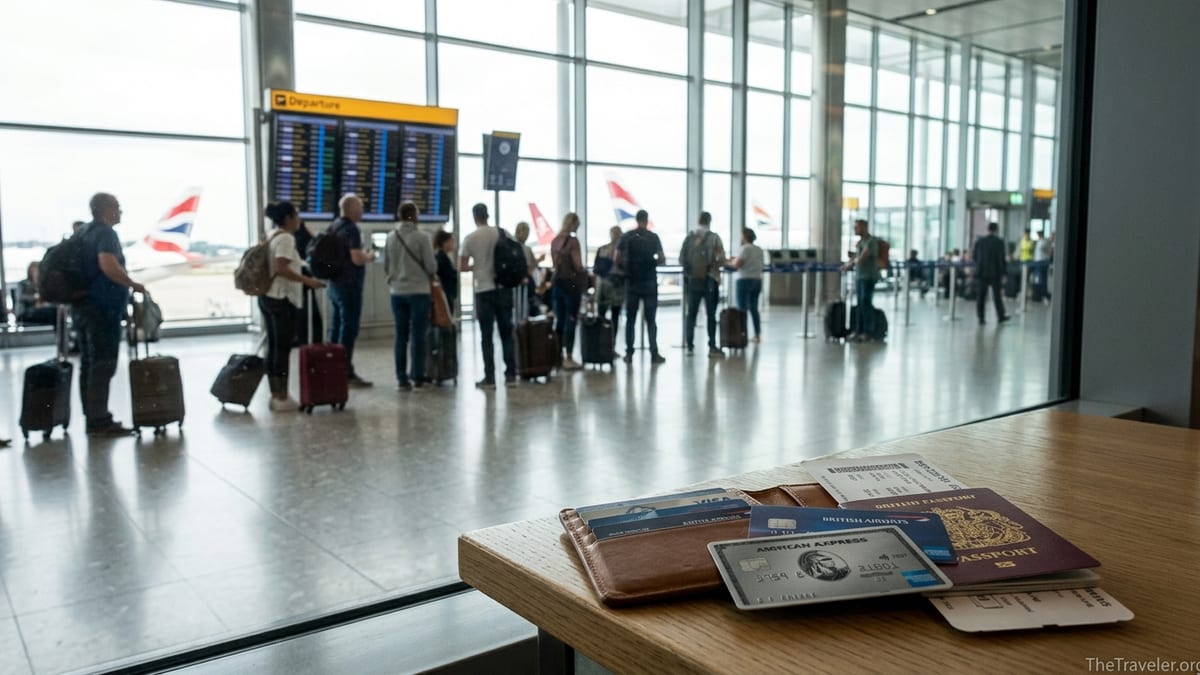
How the British Airways American Express Card Works
The British Airways American Express Card is designed primarily for travelers who regularly fly with British Airways and its Oneworld partners. In the UK, the free version typically earns Avios on everyday spending, with a higher earning rate for purchases made directly with British Airways. A paid “Premium Plus” version, with an annual fee of about £250, raises those earning rates and unlocks a more generous companion voucher structure, making it attractive for couples or families who travel together in premium cabins.
The standout feature of the British Airways Amex is its companion voucher. When you hit a specific annual spend threshold, usually in the low-to-mid five figures in pounds, you receive a voucher that lets a second passenger share your reward flight for the Avios cost of one ticket. Taxes, fees and surcharges still apply for both seats, and those can be substantial on long haul flights, but the savings can be dramatic. For example, a peak date business class return between London and New York might cost roughly 120,000 to 160,000 Avios plus several hundred pounds in fees. Using the voucher, two travelers can share that same Avios cost, effectively halving the miles price of each ticket.
Compared with many US airline and bank travel cards, the British Airways Amex is highly focused on a single mileage currency, Avios, and one airline’s ecosystem. You cannot transfer Avios to unrelated programs, and you have limited protections if British Airways changes its award chart or introduces new surcharges. By contrast, US “bank points” cards often allow you to move points into multiple frequent flyer programs or simply cash them out toward any flight you choose, providing more resilience when a single airline devalues its miles.
For UK-based flyers who routinely fly British Airways from London to destinations like New York, Dubai or Johannesburg and who can plan far ahead to use that companion voucher in business or first class, the British Airways Amex can deliver excellent value. For US-based travelers, or those who value flexibility more than loyalty to one carrier, the picture looks very different when you compare it to cards from Chase, Capital One, American Airlines, Delta and United.
Entry-Level Options: No-Annual-Fee Airline Cards vs the BA Amex
Many US travelers start with no-annual-fee airline cards that still provide useful perks but demand little ongoing commitment. A typical example is a co-branded card for a major US airline with a 0 dollar annual fee, modest mileage earning on everyday purchases and a one-time welcome bonus after you meet a minimum spending requirement. These cards often earn extra miles on tickets purchased directly from the airline and occasionally include discounted inflight purchases such as food or Wi-Fi.
For a traveler who flies only a few times a year, this kind of card can make psychological and practical sense. Imagine a family in Dallas that flies American Airlines once or twice annually to visit relatives in Los Angeles. A no-fee American Airlines card would let them slowly accumulate miles from everyday expenses while keeping their account active and might give them a more favorable boarding group. They would not, however, get free checked bags or priority check-in unless they stepped up to the airline’s mid-tier or premium card with an annual fee.
If you compare this entry-level approach with the British Airways American Express Card, the contrast is clear. The free BA Amex still ties you tightly to Avios and British Airways, and its companion voucher usually requires substantial annual spending to unlock. If you are a US-based infrequent traveler, committing thousands of dollars in annual spend to a BA card just to chase a UK-centric voucher makes little sense. A domestic no-annual-fee airline card, or even a simple cash back card, will likely fit your lifestyle better.
In real-world terms, someone earning 2,000 to 3,000 dollars per month after tax might prioritize a no-fee card that rewards groceries and gas and only occasionally use miles for a short domestic flight. The British Airways Amex structure, built around transatlantic and long haul redemptions, fits much better with higher budgets and frequent international travel than with tight monthly cash flow.
Best All-Rounder for Moderate Budgets: Flexible Travel Cards
For many US travelers with moderate budgets, flexible travel cards that earn transferable points have become the sweet spot. These cards usually carry an annual fee around 95 dollars and earn bonus points on travel, dining and sometimes online groceries or streaming services. You can redeem points for travel through the issuer’s booking portal at a fixed rate per point, or transfer them to airline and hotel partners for potentially higher value on premium cabin flights.
A widely recommended example in 2026 is a mid-tier travel card such as a 95 dollar fee Visa that earns extra points on travel booked through the issuer’s portal and on dining worldwide. Recent program updates have added streaming or select delivery credits and improved travel protections like trip delay and lost baggage coverage. Travelers often redeem these points for domestic round-trips, multi-city itineraries or even international premium economy flights by transferring them to partner airlines. Taking a long weekend from Chicago to San Francisco might run 25,000 to 30,000 points plus modest taxes if you book during an off-peak window through a partner program.
Another strong contender for this moderate budget tier is a flat-rate airline and travel miles card like the Capital One Venture Rewards. It charges an annual fee of about 95 dollars and earns 2 miles per dollar on most purchases and a higher rate on travel booked through the issuer’s portal. Users can either redeem miles as a “purchase eraser” against almost any travel expense or transfer them to a broad set of airline partners at or near a 1 to 1 ratio. This means you can buy a 400 dollar ticket on a low-cost carrier from Orlando to Cancun, then use 40,000 miles to wipe the charge from your statement, or instead move the miles to a European airline and redeem for an off-peak transatlantic economy award.
Compared to the British Airways American Express Card, both these flexible options look more attractive for a US-based traveler with a mid-range income and a mix of travel patterns. Rather than locking yourself into Avios and hoping to optimize a companion voucher out of London, you get the freedom to book whichever airline offers the best schedule or price from your home airport, whether that is Delta from Atlanta, Southwest from Denver or an ultra-low-cost carrier from Las Vegas. You give up the potentially dramatic savings of the BA companion voucher in business or first class, but you gain consistent, predictable value across many different trips and airlines.
Premium Airline Cards: High Fees, Lounge Access and Elite Perks
At the premium end, airline-specific cards with annual fees from about 250 to 695 dollars bundle larger welcome bonuses with serious perks. Examples include flagship cards tied to American Airlines, Delta or United, and premium general travel cards such as top-tier products from Chase or American Express that offer Priority Pass or proprietary lounge access, statement credits and higher earning rates on travel. These cards can transform the airport experience if you fly often enough to justify the fee.
Consider a frequent business traveler based in New York who flies transcontinental routes to Los Angeles and San Francisco several times a month. A premium co-branded airline card might offer complimentary domestic upgrades for the cardholder when available, a free checked bag for the primary traveler and companions on the same reservation and airport lounge access before departure. Add in priority security lanes at certain airports, and the card can easily save several hundred dollars a year in baggage fees and day-pass lounge purchases, while also reducing stress on busy travel days.
When you compare this with the British Airways Premium Plus Amex, the differences in value delivery are subtle but important. The BA card’s main appeal is still concentrated in that companion voucher when used in long haul premium cabins. It may also include benefits like a higher Avios earning rate on BA flights and limited travel insurance, but it rarely bundles global lounge memberships, broad statement credits or credits for expedited security programs in North America. If you do most of your flying on British Airways long haul out of London, you might gain more from strategically using one or two business class redemptions with the voucher than from the year-round perks of a US premium airline card.
On the other hand, if you live in a US hub such as Atlanta, Chicago, Dallas or Denver and your travel is a mix of domestic economy and occasional international trips, a US premium card that covers free checked bags, priority boarding and recurring lounge access will likely add more daily comfort and savings. You can still fly British Airways by booking with partner programs or via alliance tickets, while keeping most of your benefits aligned with how and where you actually travel.
Budget-Conscious Flyers: When Cash Back Beats Miles
There are many travelers for whom the optimal “airline card” is not an airline card at all but a simple cash back card that earns a flat percentage on every purchase. These cards may have no annual fee and offer 1.5 to 2 percent cash back on everyday spending, sometimes with rotating bonus categories for groceries, gas or online retail. For someone who flies only once or twice a year and tends to buy the cheapest ticket available, cash back can be easier to use and more transparent than a complex mileage currency.
Imagine a young professional in Phoenix earning around 50,000 dollars per year, with limited flexibility to plan travel months in advance. They might drive to Los Angeles or Las Vegas more often than they fly. For them, putting all their spending on a British Airways Amex for the sake of a transatlantic business class dream trip is risky. They may never hit the spend needed for a companion voucher or may struggle to accumulate enough Avios before an award chart change. A 2 percent cash back card, by contrast, quietly rebates a share of every purchase, which can be saved for a future trip, used to offset a low-fare flight, or simply kept as an emergency buffer.
Even moderate travelers can benefit from cash back if their routes are dominated by ultra-low-cost carriers where traditional miles are hard to use efficiently. For example, a family that flies a budget airline from Cincinnati to Orlando each summer may find it difficult to line up award seats for four using Avios or a legacy airline’s miles. A flexible cash back card lets them take advantage of flash sales and basic economy tickets, then apply cash rewards directly to those purchases without worrying about partner charts or blackout dates.
Compared directly with the British Airways Amex, cash back cards sacrifice the possibility of aspirational redemptions like London to Tokyo in first class using a companion voucher, but they remove the complexity and risk. If your budget is tight and your income fluctuates, the certainty of cash often outweighs the theoretical upside of premium airline awards that you may never realistically book.
Family Travelers and Groups: Companion Vouchers vs Free Bags
For families, the core question is often whether the British Airways companion voucher structure delivers more value than the straightforward free checked bag and priority boarding perks common on US airline cards. A typical US mid-tier airline card with an annual fee around 95 to 150 dollars provides at least one free checked bag for the cardholder and sometimes for several companions on the same reservation, plus earlier boarding groups that make it easier to find overhead bin space.
To see how this plays out in real life, imagine a family of four from Boston flying to Orlando for a week at theme parks on a major US carrier. If checked bags cost around 35 dollars each way per person, the round-trip baggage cost without a card can easily reach 280 dollars. A co-branded airline card that grants free checked bags for the cardholder and companions can wipe out those fees on the first trip of the year, covering its annual fee in one stroke. Extra boarding priority also reduces the stress of boarding with small children and carry-ons.
The British Airways Amex companion voucher, in contrast, shines for families willing to save and plan for a single large trip rather than several smaller ones. If two parents can accumulate enough Avios and trigger the voucher, they might book two premium cabin seats from London to a far-flung holiday destination and bring a child on a separate Avios ticket in economy. The per-person cash cost in surcharges will often be higher than on domestic US flights, but the in-flight experience and overall trip value can be exceptional. However, this typically assumes a Europe-based family with easy access to British Airways long haul routes.
For most US families that fly domestically several times a year, or mix domestic and Caribbean trips, the combination of free checked bags, discounts on inflight purchases and easier award access on a primary US carrier often outweighs the more exotic potential of a BA companion voucher. The key is to map your real travel patterns for the next 12 to 24 months and ask whether you are more likely to book multiple economy trips or a single aspirational long haul award.
The Takeaway
When you line up airline and travel credit cards for every budget against the British Airways American Express Card, a pattern emerges. The BA Amex, especially the paid Premium Plus version, is a niche powerhouse for travelers based near British Airways hubs who routinely fly long haul and can build trips around companion voucher availability. For this group, the combination of elevated Avios earning and the ability to bring a second passenger on the same reward flight for the Avios cost of one ticket can unlock exceptional value, particularly in business or first class.
For most US-based travelers, however, flexible bank points cards and domestic airline co-brands will be a better fit. Entry-level and no-fee airline cards keep things simple and align with occasional domestic trips. Mid-tier flexible travel cards with roughly 95 dollar annual fees provide a strong blend of earning power, partner transfers and solid travel protections that work regardless of the airline on your boarding pass. Premium airline and general travel cards justify their higher fees when you actually use their lounge access, statement credits and free bag benefits several times per year.
Ultimately, the right choice depends less on abstract card rankings and more on your actual routes, airports and budget. Map where you will realistically fly in the next couple of years, estimate how often you will check bags, visit lounges or book premium cabins, and pick the card whose benefits you can fully use. For most everyday US travelers, that will not be the British Airways American Express Card, but for the right frequent BA loyalist, it can still be the key to turning Avios into memorable long haul adventures.
FAQ
Q1. Is the British Airways American Express Card worth it if I live in the United States?
The BA Amex is usually less compelling for US-based travelers unless you frequently fly to or via London on British Airways and can reliably use the companion voucher for long haul premium cabins. Most US flyers will find more day-to-day value in a domestic airline card or a flexible travel rewards card.
Q2. How does the British Airways companion voucher compare to US airline perks like free checked bags?
The BA companion voucher can create huge value on one or two long haul trips in business or first class, while US airline cards with free checked bags and priority boarding deliver smaller but repeatable savings on multiple trips each year. Families who travel domestically several times a year often get more practical benefit from bag fee savings than from a single aspirational long haul award.
Q3. Which type of card is best for a tight budget and infrequent travel?
For infrequent travelers on a tight budget, a no-annual-fee airline card or a simple 1.5 to 2 percent cash back card is usually better than a niche airline card like the BA Amex. You avoid annual fees and complex award rules while still building a small pool of rewards you can easily use toward a future trip.
Q4. Are flexible travel rewards cards better than airline-specific cards?
Flexible travel cards are often better for people who fly multiple airlines or shop for the cheapest fares. They allow you to redeem points through a travel portal or transfer to various airline and hotel programs, giving you more options if a particular airline devalues its miles or does not serve your local airport well.
Q5. What should I look at first when comparing airline credit cards?
Start with the annual fee, then estimate how often you will use the core benefits, such as free checked bags, priority boarding, lounge access or companion tickets. Next, consider the earning structure and how easy it will be for you to redeem miles or points for flights you actually want to take.
Q6. Can I still benefit from British Airways Avios without the BA American Express Card?
Yes, you can earn Avios through flying British Airways and its partners, shopping portals and sometimes by transferring points from flexible bank programs that partner with Avios. Many US travelers prefer to collect flexible points first, then move them to Avios only when they are ready to book a specific reward flight.
Q7. How do annual fees on premium airline cards compare to the BA Premium Plus Amex fee?
Premium US airline and travel cards commonly charge annual fees from about 250 to nearly 700 dollars but offset this with lounge access, statement credits and travel protections. The BA Premium Plus Amex fee is typically lower in absolute terms but concentrates most of its value in Avios earning and the companion voucher instead of broad lifestyle credits.
Q8. Is it risky to rely on a single airline’s miles like Avios?
Relying on a single airline currency exposes you to changes in award charts, surcharges or seat availability. If British Airways reduces the value of Avios or increases fees, the appeal of the BA Amex can drop quickly. Holding flexible bank points lets you pivot among several airline programs if one becomes less attractive.
Q9. How can a family decide between an airline card and a cash back card?
Families should compare the expected value of free checked bags, early boarding and occasional award trips with the certainty of cash back. If you check bags on multiple trips every year with the same airline, an airline card probably wins. If your travel is sporadic and split across different carriers, a strong cash back card can be simpler and more reliable.
Q10. Can I carry both a British Airways Amex and a US travel card?
Yes, frequent international travelers sometimes pair the BA Amex with a flexible US travel card. They use the BA card for British Airways flights and to work toward the companion voucher, while putting most everyday spending on a US card that earns versatile points and provides domestic-friendly perks like lounge access in US airports and protections for car rentals and trip delays.