


For UK-based travellers who love flying long haul, two airline credit cards dominate the conversation: the British Airways American Express Credit Card and the Virgin Atlantic Reward Credit Card from Virgin Money. Both promise free flights, upgrades and a steady stream of points from your everyday spending. Yet they work very differently in practice, and the value you get can swing wildly depending on where you fly, how flexible you are with dates and how much you put on the card each year. This side-by-side guide breaks down the key differences using real-world examples so you can decide which card better fits your travel style.
Get the latest updates straight to your inbox!
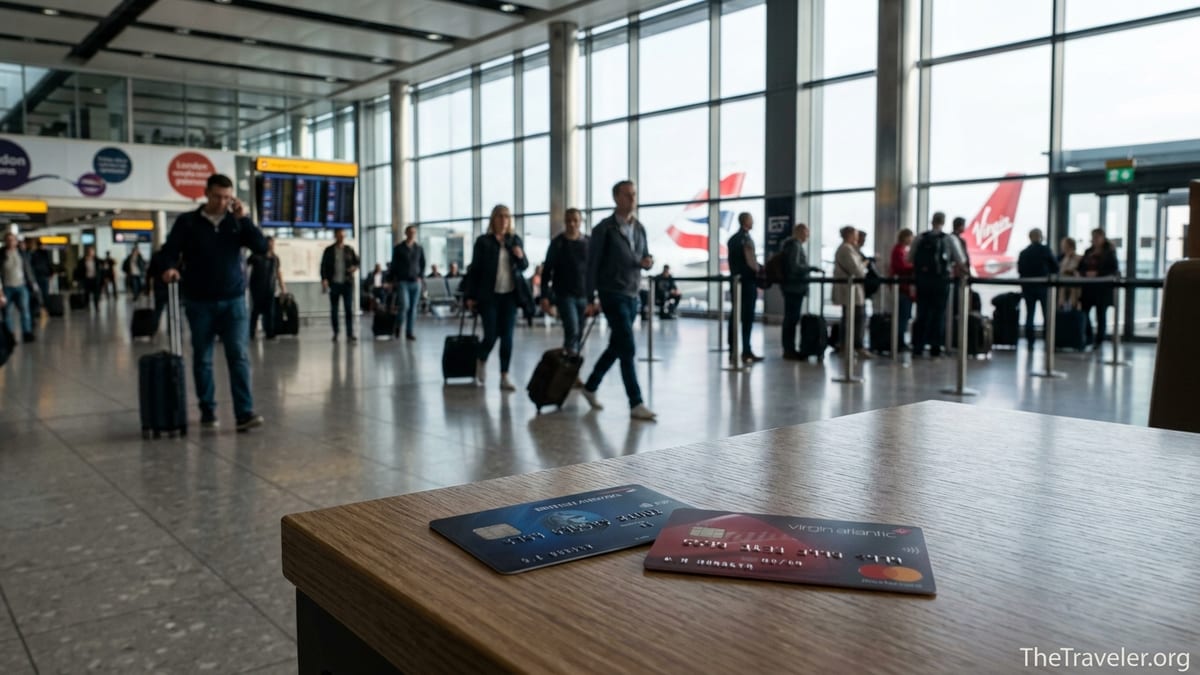
Overview: Two Very Different Takes on “Free Flights”
The British Airways American Express Credit Card is built around Avios and the famous Companion Voucher. You earn Avios on every pound you spend and, if you hit the annual spend threshold, you receive a voucher that can either bring a companion on a British Airways, Iberia or Aer Lingus reward booking for no extra Avios, or can halve the Avios bill when you travel solo. The card has no annual fee, which makes it an attractive entry point if you are loyal to the British Airways network and want access to long haul redemptions without paying for a premium card.
The Virgin Atlantic Reward Credit Card, issued by Virgin Money, also has no annual fee but focuses on Virgin Points and a different style of reward. Rather than a single big companion voucher for hitting a spend target of £15,000, Virgin offers the chance to earn a companion ticket or upgrade after £20,000 of annual spend, alongside a modest welcome bonus and everyday earn rates that are tuned to Virgin Atlantic and Virgin Holidays purchases. For many cardholders, it feels more like a general Flying Club points card than a voucher engine.
In practice, that means the British Airways Amex tends to favour couples or close companions planning a big long haul redemption once a year, such as a London to Barbados Club World trip, while the Virgin Atlantic Reward Card suits travellers who fly Virgin occasionally, are happy in economy or Premium, and want a flexible pot of Virgin Points they can use for everything from a one-way to New York to a discount on cash fares.
The deciding factors usually boil down to three things: how much you spend each year on a credit card, which airline’s routes match your real travel habits, and whether you are ready to work around reward seat availability. The more you plan ahead and the more focused your flying patterns are, the greater the value you can squeeze from either product.
Fees, Interest and Eligibility
One major attraction of both the British Airways American Express Credit Card and the Virgin Atlantic Reward Credit Card is that they charge no annual fee. You can hold either card long term without worrying about justifying a yearly charge, which is unusual among airline co-branded products that often carry fees well above £100. That makes them natural starter cards for new points collectors or for travellers who are reluctant to pay for the higher-earning, higher-fee versions such as the British Airways American Express Premium Plus or the Virgin Atlantic Reward+ card.
Representative APRs are broadly in line with mainstream UK rewards credit cards. The Virgin Atlantic Reward Credit Card has a representative APR of about 26.9 percent variable on purchases, according to recent product summaries, which is typical for a points-earning card. The free British Airways Amex sits in a similar range. These cards are designed to be paid off in full every month; if you revolve a balance, the interest charges will quickly wipe out any value from Avios or Virgin Points.
Eligibility criteria for both cards are also comparable. You need to be a UK resident, over 18 and meet creditworthiness requirements. British Airways Amex requires you to be able to pay in full and to have a suitable credit record with American Express, while Virgin Money underwrites the Virgin Atlantic card. In practice, applicants who already hold other mainstream credit cards and have no recent missed payments generally have reasonable approval odds, though neither issuer guarantees acceptance and can ask for proof of income.
One subtle difference is acceptance. American Express is less widely accepted at smaller independent shops and some tradespeople around the UK, while the Virgin Atlantic Reward Credit Card runs on the Mastercard network and is accepted in far more places. For a household that does most of its card spending in supermarkets, on fuel and with large online retailers, the British Airways Amex can still capture the majority of transactions. But if you frequently spend with small cafes, local garages or council services that do not take Amex, the Virgin card may accumulate points more reliably.
Earning Rates and Everyday Spend Value
The free British Airways American Express Credit Card typically earns 1 Avios per £1 spent on general purchases, with occasional promotional bonuses. That means a monthly grocery and household spend of £1,500 could net about 18,000 Avios a year before any sign-up bonus or companion voucher value is taken into account. Spend with British Airways and BA Holidays often receives a boosted earn rate on the paid Premium Plus version, but on the free card it is usually the same 1 Avios per pound.
The Virgin Atlantic Reward Credit Card, by contrast, earns 0.75 Virgin Points per £1 spent on everyday purchases and 1.5 Virgin Points per £1 when you spend directly with Virgin Atlantic or Virgin Holidays. If you put that same £1,500 a month of everyday spend on the Virgin card, you would end up with roughly 13,500 Virgin Points a year. However, if £500 of that monthly spend was regularly with Virgin Holidays, those transactions alone could generate around 9,000 Virgin Points a year, narrowing the gap with Avios for travellers who are loyal to the Virgin ecosystem.
Where the difference really bites is the spend threshold for the headline perks. With the BA Amex, you trigger the Companion Voucher at £15,000 of annual spend. With the Virgin Atlantic Reward card, you need to spend £20,000 to unlock a companion ticket or upgrade. For someone who spends about £1,250 per month on a card, the BA voucher arrives in roughly 12 months; the Virgin benefit requires either higher spending or more time. Households with very high annual spend, perhaps due to business expenses reimbursed by an employer, will find either threshold straightforward. A solo renter spending £800 a month on a card may find the BA target achievable with some planning but struggle to reach Virgin’s requirement.
For many readers, the key question is whether to concentrate their spending on one card to hit the valuable threshold or to spread it across multiple products for flexibility. A common strategy is to direct all card-eligible spend onto the British Airways Amex until the £15,000 mark is reached and the Companion Voucher is issued, then switch to the Virgin Atlantic card or another rewards card for the rest of the year. This approach maximises the high-value perk while still allowing you to diversify your points balances.
Companion Vouchers vs Virgin Companion & Upgrade Rewards
The hallmark feature of the British Airways American Express Credit Card is its Companion Voucher. Once you spend £15,000 in a card year, you receive a voucher that can be used on reward bookings operated by British Airways, Iberia or Aer Lingus. With the free BA Amex, the voucher is valid for 12 months and can be used in economy cabins only, though it can be redeemed either to bring a companion along for no additional Avios, or to reduce the Avios cost by 50 percent when you travel alone. Taxes, fees and carrier charges are still payable for both tickets.
Virgin Atlantic’s Reward Credit Card offers a different structure. When you spend £20,000 in a year, you earn the choice of a companion ticket or an upgrade voucher, which can move you from Economy to Premium or from Premium to Upper Class on Virgin-operated flights, subject to availability. The companion ticket generally allows your second passenger to travel on the same flight for just the taxes and fees, similar in spirit to BA’s companion benefit but restricted to Virgin Atlantic routes and cabins. Many cardholders use the upgrade voucher to turn a paid Premium ticket to New York or Orlando into an Upper Class experience without quadrupling the cash cost.
In real-world terms, the BA Companion Voucher is often most powerful on long haul business or first class bookings from London to destinations like Los Angeles, Cape Town or Singapore. For instance, a peak-time Club World redemption from London Heathrow to New York might price at around 120,000 Avios plus taxes and fees for two people using a Premium Plus voucher, while the free card voucher is confined to economy. With the free BA Amex, a couple might instead use the voucher for two return economy tickets to Dubai, halving the Avios cost but still paying several hundred pounds each in carrier charges.
By comparison, a Virgin Atlantic Reward cardholder who has earned the companion ticket could use it on a pair of Premium seats from Manchester to Orlando during school holidays. Instead of paying Virgin Points for both passengers, they pay the points for one and cover taxes and fees for both. Or they could use the upgrade option: booking economy cash tickets to Barbados and applying the voucher to elevate one passenger to Premium both ways, which can easily save £400 to £600 compared with buying Premium outright. The value is less headline-grabbing than a BA Club World companion trip to Tokyo, but the barrier to entry is also lower if you typically book paid economy or Premium fares on Virgin.
Where Each Card Shines for Typical UK Trips
Choosing between these cards becomes much easier when you look at concrete trip scenarios. Imagine a London-based couple who dream of flying to New York once a year. They usually book economy but would love to experience business class occasionally. If they concentrate spending on the free BA Amex and eventually move to the Premium Plus version, the Companion Voucher can make a Club World redemption realistic every couple of years, especially if they collect Avios from a British Airways frequent flyer account and perhaps a Barclays Avios current account on the side. In contrast, the Virgin card might offer them a slightly cheaper economy or Premium redemption to New York, but without that dramatic two-for-one business class potential on most routes.
Now consider a family in Manchester who prefer flying from their local airport and spend a lot of time in Orlando or the Caribbean. Virgin Atlantic serves both regions directly from Manchester in many seasons, while British Airways departures often mean routing through London. For this family, the Virgin Atlantic Reward Credit Card lines up much better with their real travel patterns. They can earn points on day-to-day spending and, once they reach the £20,000 threshold, use a companion ticket on a popular school holiday flight from Manchester to Orlando in Premium, gaining both convenience and comfort without the need to transit Heathrow.
Short haul Europe is another area where the two cards diverge. British Airways has an extensive network of flights from Heathrow and Gatwick to European cities such as Rome, Barcelona and Nice, and Avios redemptions on these routes can be excellent value during peak times when cash fares are high. A BA Amex holder in London might use Avios plus the solo 50 percent voucher option to book a weekend trip to Lisbon or Copenhagen, halving the Avios cost on a peak date. Virgin Atlantic, by contrast, has a far more limited short haul footprint and is focused on long haul leisure destinations; for a city break enthusiast, the BA card typically delivers better redemption opportunities.
That said, Virgin’s partners open up some interesting long haul options, including flights to the United States with Delta and to Asia with other SkyTeam members, although not all partner routes can be accessed with companion vouchers or upgrade rewards. If your travel spans both alliance ecosystems, you may find that holding both cards and treating each as a specialised tool works best: the BA Amex for European city breaks and premium cabin aspirational trips, and the Virgin Atlantic card for Florida, Caribbean and certain US routes where Virgin has strong coverage.
Fees, Surcharges and Taxes on Redemptions
One of the most common shocks for first-time reward cardholders is the level of taxes, fees and carrier surcharges that remain payable even when the flight itself is booked with points. This is particularly noticeable on British Airways redemptions originating in the UK, where long haul rewards in premium cabins can easily attract £600 to £900 per person in charges on top of the Avios requirement, especially when departing Heathrow in Club World or First. Using a Companion Voucher does not eliminate these costs; instead, it removes the Avios price for the second ticket or halves the Avios bill for a solo traveller.
For example, a London to Barbados return in economy on British Airways might cost around 50,000 to 60,000 Avios plus roughly £300 to £400 in charges per person, depending on the precise pricing option you select. Using the BA Companion Voucher from the free card, you might pay about 50,000 Avios total for two passengers instead of 100,000, but still pay approaching £700 in combined cash surcharges. This can still represent good value compared with buying cash tickets in peak season, but it is a far cry from the idea of a “free flight.”
Virgin Atlantic redemptions also involve taxes and surcharges, although the pattern varies by route and cabin. On a popular Upper Class route like London to New York, the cash element can also run into several hundred pounds per person. However, Virgin’s economy and Premium redemptions to destinations like Orlando can sometimes feel more palatable, particularly when cash fares are high during school holidays. A family using a Virgin companion ticket on Premium seats from Manchester to Orlando could see total taxes and fees around the low hundreds of pounds per passenger, offset by the significant savings in points or cash fares.
This is why experienced points collectors often advise using BA Avios and companion vouchers strategically on routes and in cabins where the cash fare is very high relative to the number of points required, and avoiding redemptions where taxes eat up too much of the value. The same principle applies to Virgin Points: using them for long haul flights during expensive travel periods generally yields better value than redeeming for short hop partner flights or low-season economy fares where ticket prices are already low.
Spending Abroad, Acceptance and Practicalities
For many readers, a key part of the equation is how these cards behave when used outside the UK. The Virgin Atlantic Reward Credit Card has a notable perk: no foreign exchange fee on purchases in euros, Swedish krona and Romanian leu when made within the European Economic Area. That means a weekend in Stockholm or a beach holiday in Portugal could be a good opportunity to use the Virgin card without incurring the typical 2.99 percent foreign transaction fee on those specific currencies. For other currencies and locations, standard non-sterling fees apply, so it is still not a universal travel card.
The British Airways American Express Credit Card, like most UK-issued Amex products, charges a non-sterling transaction fee on overseas purchases. Combined with the patchier acceptance of Amex in some European countries and smaller establishments, that makes it less ideal as your only card abroad. Many frequent travellers pair it with a separate fee-free debit or credit card for foreign purchases, using the BA Amex primarily for UK spending and large online bookings with British Airways and major retailers that readily accept American Express.
Another practical difference is how each issuer handles additional cardholders. Both American Express and Virgin Money allow you to add supplementary cardholders, which can help couples or families pool spending to reach the annual thresholds more quickly. For example, a household might put both partners’ grocery, fuel and online shopping spend through supplementary cards on a single BA Amex account to hit the £15,000 voucher trigger months earlier than one person could alone. The same approach can be used with Virgin’s £20,000 target, although you will need to watch that the combined spend makes sense relative to your monthly budget.
Finally, customer service experiences can sway some travellers. American Express has a long-standing reputation for responsive customer support, app functionality and clear statements, which is one reason many people tolerate slightly lower acceptance. Virgin Money has improved its digital tools in recent years and offers an online eligibility checker for the Virgin Atlantic cards, but some users may find the overall experience more in line with a mainstream bank card than a premium finance brand. For most cardholders, though, the reward structure will matter more than small service differences.
The Takeaway
When you strip away the marketing gloss, the British Airways American Express Credit Card and the Virgin Atlantic Reward Credit Card serve slightly different audiences, even though both are fee-free and target UK travellers who like to fly long haul. The BA Amex is essentially an Avios generator with a powerful companion voucher at a relatively reachable spend threshold, restricted to economy on this free version but still capable of unlocking very valuable redemptions on British Airways, Iberia and Aer Lingus. It suits travellers who fly BA regularly, live near Heathrow or Gatwick, and are prepared to plan far ahead to secure reward seats on popular routes.
The Virgin Atlantic Reward Credit Card is best seen as a flexible way to gather Virgin Points and occasionally unlock a companion ticket or upgrade once you hit a higher spend threshold. It is particularly attractive for those who value Virgin’s direct services from regional airports such as Manchester or who holiday frequently in Florida and the Caribbean. The ability to earn double points on Virgin purchases and to avoid foreign exchange fees in certain European currencies adds specific, tangible advantages for the right user.
For many households, the most effective strategy is not to pick a single winner but to decide which card should be primary in a given year. You might dedicate 12 to 18 months to maximising the BA Companion Voucher, then shift focus to Virgin to earn a companion or upgrade reward for a different style of trip. Whichever route you choose, the key is to be realistic about your annual card spend, the routes you genuinely fly and your willingness to hunt for those all-important reward seats. Used thoughtfully, either card can turn everyday purchases into memorable journeys, but neither will deliver effortless free holidays without careful planning.
FAQ
Q1. Is the British Airways American Express Credit Card or the Virgin Atlantic Reward Credit Card better for a first airline card?
The BA Amex is usually better if you fly British Airways from London and want to work toward a Companion Voucher at a lower spend threshold. The Virgin card is a good first choice if you mostly fly Virgin Atlantic, especially from Manchester or prefer destinations like Orlando and the Caribbean.
Q2. Can I hold both the British Airways Amex and the Virgin Atlantic Reward Credit Card at the same time?
Yes, many travellers hold both cards. A common approach is to concentrate spending on one card each year to trigger its key benefit, such as the BA Companion Voucher, then switch most spending to the other card to build a balance of Virgin Points.
Q3. Do I have to pay an annual fee for either of these cards?
No, both the British Airways American Express Credit Card and the Virgin Atlantic Reward Credit Card have no annual card fee. Their premium counterparts, the BA Premium Plus and the Virgin Reward+ cards, do charge annual fees but offer higher earning rates and more flexible rewards.
Q4. Which card is better for long haul business class redemptions?
The British Airways American Express ecosystem, especially when combined with the paid Premium Plus card, is generally stronger for long haul business class redemptions thanks to the Companion Voucher and access to British Airways’ global network. The free BA card alone limits vouchers to economy, but it is still the natural stepping stone to premium cabin redemptions.
Q5. Which card earns points faster on everyday spending?
On general UK spending, the BA Amex usually earns 1 Avios per £1, while the Virgin Atlantic Reward card earns 0.75 Virgin Points per £1. If most of your spend is not with either airline directly, the BA Amex typically accumulates points slightly faster for the same level of spend.
Q6. Is either card good for use abroad?
Neither card is ideal as your only payment method abroad, because non-sterling transaction fees apply on most purchases. However, the Virgin Atlantic Reward card has no foreign exchange fee on purchases in euros, Swedish krona and Romanian leu within the EEA, which can be useful on some European trips.
Q7. How hard is it to find reward seats with these cards?
Availability fluctuates and popular routes such as London to New York, Barbados or Orlando can be difficult on peak dates. Booking as far ahead as possible, being flexible with dates and considering off-peak seasons or alternative airports like Manchester or Gatwick significantly improves your chances with both BA Avios and Virgin Points.
Q8. What happens if I do not reach the annual spend threshold for the voucher or reward?
If you do not hit £15,000 on the BA Amex or £20,000 on the Virgin Reward card in your card year, you will not receive that year’s Companion Voucher or Virgin reward. The points you have earned remain in your Avios or Virgin Points account, provided your accounts stay active under each programme’s rules.
Q9. Can supplementary cardholders help me reach the spend target faster?
Yes, spend on supplementary cards is pooled into the main account, so partners or family members using their own cards on your BA Amex or Virgin account can help you reach the annual threshold faster. The voucher or reward, however, is issued to the main cardholder, who controls its use.
Q10. If I mainly take short European city breaks, which card is more useful?
If most of your trips are short European city breaks from London, the BA Amex is usually more useful. Avios redemptions on British Airways and Iberia to destinations like Rome, Barcelona or Lisbon can be good value, especially at peak times, while Virgin Atlantic has a far more limited short haul network.