


More news on this day
Beijing is accelerating its push to turn a rapid rebound in foreign arrivals into a full‑scale cultural consumption boom, unveiling a package of 10 new inbound tourism experiences that blend heritage, sports, business and digital services across the Chinese capital and beyond.
Get the latest news straight to your inbox!
From Recovery To Competition For High-Value Visitors
China’s inbound tourism has rebounded sharply after borders fully reopened, with publicly available information showing more than 130 million international arrivals nationwide in 2024 and spending nearing pre‑pandemic levels. Analysts note that Beijing is now competing not just on volumes, but on the quality of experiences and the ease of spending once visitors arrive.
Data released by the Beijing Municipal Bureau of Culture and Tourism indicate that the capital received just under 4 million inbound visits in 2024, up close to 187 percent year on year and approaching 90 percent of 2019 levels. The rebound has encouraged local authorities to shift from short-term recovery measures to long-term product development targeted at higher-value city breaks and themed itineraries.
Recent blue books and annual reports from the China Tourism Academy describe inbound tourism as entering a new “prosperity cycle,” driven by cultural experiences, short-stay city trips and digital travel tools. Within this context, Beijing’s new inbound portfolio is being framed as a breakthrough aimed at turning its status as a political and cultural hub into a stronger engine for international visitor spending.
Policy documents at national level are moving in the same direction, with the State Council listing inbound tourism as a priority growth area within a broader plan to expand cultural and tourism consumption. The capital’s 10 new experiences are designed to land those ambitions on the ground through concrete routes, products and services.
Ten Flagship Experiences Built Around Culture, Transit And Sports
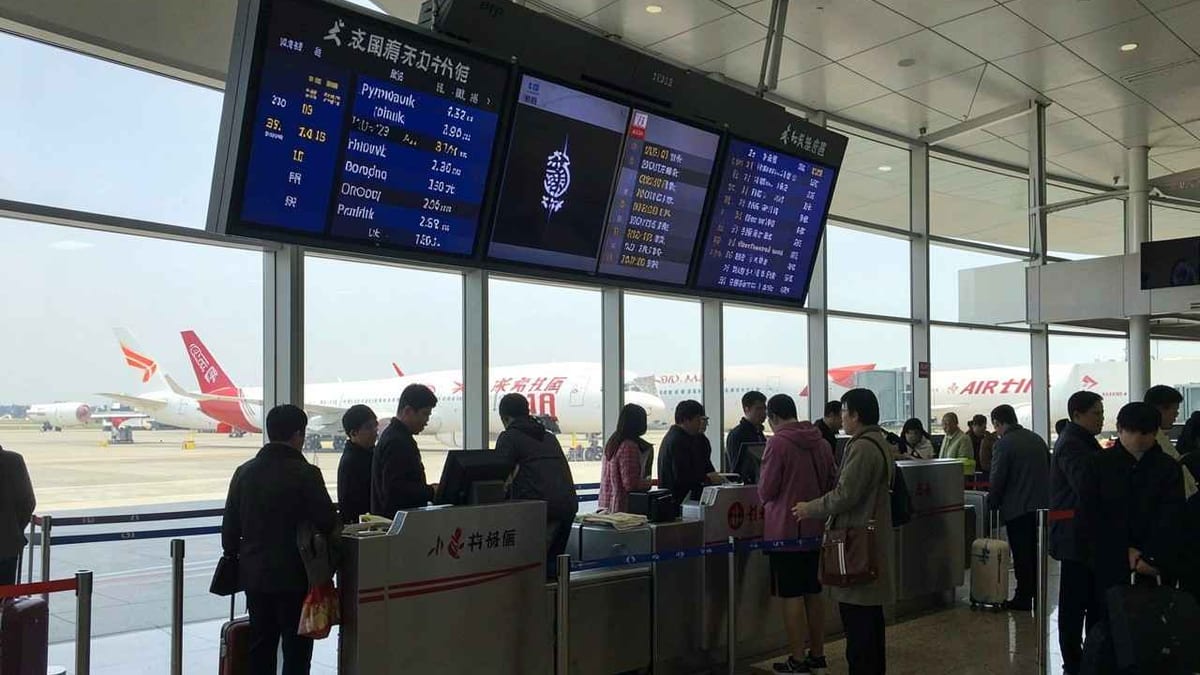
According to published coverage of Beijing’s latest tourism drive, the city has bundled a series of new and upgraded products into 10 headline experiences. A cornerstone is the first dedicated “Free Half-Day Tour of Beijing” for international transit passengers, offering tightly curated stops around landmarks such as the Forbidden City, central axis hutong districts and new cultural quarters, with transport and guiding streamlined for travelers between flights.
Another cluster of experiences focuses on “city micro‑vacations,” packaging two- and three-day urban stays around themes like imperial culture, design and creative neighborhoods, and night‑time river and lake light tours. These products are aimed at younger travelers and repeat visitors who want to go beyond classic sightseeing and spend more time – and money – in local districts.
Reports on Beijing’s inbound strategy also highlight initiatives tied to major sports and cultural events, including premium viewing and behind-the-scenes experiences at international competitions, stadium precinct tours and combined tickets linking venues with nearby museums and commercial zones. The goal is to convert the city’s busy events calendar into longer stays that weave together sports, shopping and dining.
The 10-experience framework further incorporates “Happy Spring Festival” cultural routes, positioning Beijing as a global showcase for Lunar New Year through performances, lantern shows, themed shopping streets and limited-edition cultural products. Travel researchers note that festival-based products are increasingly important for attracting overseas visitors seeking immersive, time‑specific experiences.
Payment Fixes And Digital Services To Unlock Spending
One of the most closely watched elements of Beijing’s inbound push is a pair of new payment tools aimed at making it easier for foreign visitors to spend in what has become a heavily mobile-first economy. Publicly available information from the city’s culture and tourism bureau outlines simplified onboarding for international bank cards within Chinese mobile wallets, together with “light touch” solutions for small offline purchases in markets, taxis and small eateries.
Industry research on China’s tourism economy suggests that payment barriers have been a key friction point for inbound travelers, who often find that cash is inconvenient and that some venues do not accept foreign cards. New products are attempting to close this gap by combining app-based QR payments with more visible guidance in English and other languages at hotels, airports and major attractions.
Digital service upgrades are also built into the 10-experience package. City-level tourism platforms are being updated to offer multilingual itinerary planning, real-time transport information and ticketing for scenic spots, while pilot “Tourist Services” hubs in central districts bring together currency exchange, luggage storage, transport passes and cultural product retail under one roof.
Travel technology analysts argue that these shifts are essential if Beijing wants to convert surging arrival numbers into higher per-capita spending. Easier payments and clearer information lower the threshold for impulse purchases of local food, design goods and cultural souvenirs, while also making it more likely that high‑spending visitors book add‑on shows, tours and niche activities.
Cultural Consumption At The Core Of The New Offering
National policy documents released in recent months set out a broader agenda to cultivate new growth areas across cultural and tourism consumption, including night-time economies, immersive performances and localized cultural brands. Beijing’s new inbound experiences align closely with this direction, putting cultural spending rather than simple sightseeing at the center of the visitor journey.
“Happy Spring Festival” activities illustrate this shift. According to reports on the program, Beijing is planning and promoting curated experiences that link temple fairs, light festivals and traditional performances with nearby commercial streets, duty-free outlets and creative markets. The intention is for visitors not only to observe Chinese New Year customs but also to purchase designer interpretations of traditional motifs, from zodiac-themed fashion to licensed art toys.
China Tourism Academy commentary on recent seasons points to rapid growth in “new cultural leisure scenes,” where museums, historical blocks and creative parks stay open late, hosting live music, food markets and interactive workshops. Beijing’s inbound portfolio packages these micro-scenes into coherent routes marketed overseas, with the expectation that foreign tourists will mirror domestic travelers’ enthusiasm for cultural consumption.
At the same time, Beijing’s tourism planners are paying closer attention to business and convention travelers who combine meetings with cultural activities. Premium experiences built around performing arts, fine dining and private museum viewings are being positioned to capture higher-end spending from this segment, which has historically been strong in the capital.
Regional Ripple Effects And The Race For Market Share
Analysts following China’s tourism sector argue that Beijing’s latest moves are part of a broader regional race among major cities to capture inbound demand. Public statistics show that metropolitan centers such as Shanghai, Guangzhou and Shenzhen have also recorded strong recoveries in international arrivals, with many rolling out their own themed routes, visa facilitation pilots and cultural consumption campaigns.
Reports on cross-border tourism trends describe a “new track” in which cities across the Yangtze River Delta, the Guangdong‑Hong Kong‑Macao Greater Bay Area and northern China compete and collaborate to attract long-haul travelers. In this landscape, Beijing is betting that its combination of imperial heritage, contemporary culture, policy support and international air links will justify a premium position.
Economic analysis suggests that if Beijing succeeds in lifting per‑visitor spending through its 10-experience approach, the impact will ripple across hotels, restaurants, retail and creative industries. Statistically, inbound tourism revenue has long been a significant component of the city’s service exports, and new products could help push those figures to fresh highs as global travel stabilizes.
For now, travel trade observers note that the benchmark for success will be whether foreign visitors perceive the capital as easier to navigate, pay and play in than before, and whether the curated experiences translate into social media visibility that reinforces China’s broader tourism brand. With competition for international tourists intensifying worldwide, Beijing’s latest package of inbound experiences signals that the city intends not only to reopen, but to actively shape the next phase of global travel demand.