

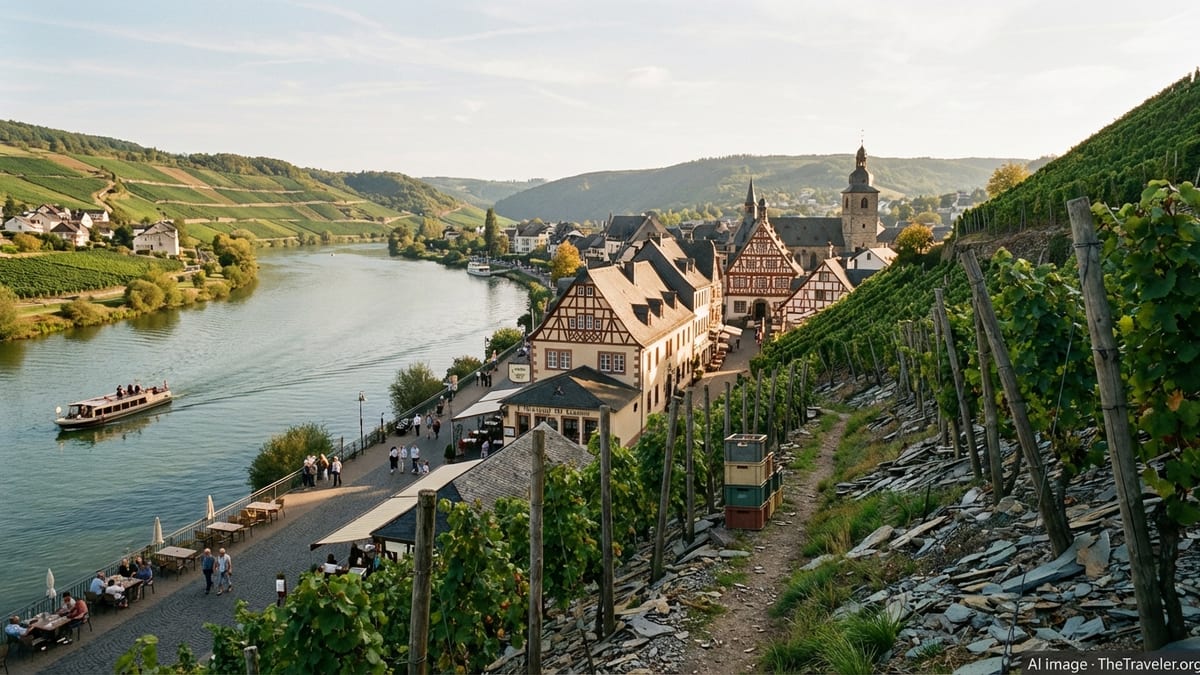
Bernkastel-Kues, a medieval gem on a graceful bend of the Mosel River, is one of Germany’s most atmospheric places to taste Riesling where it is grown. Steep slate vineyards rise directly above half-timbered houses, and almost every alley seems to lead to a cellar, vinotheque, or tasting room.
Between town-based tastings, vineyard walks, and boat-and-wine combinations, it can be hard for first-time visitors to know which wine experiences are genuinely worth their limited time. This guide focuses on the tastings and tours that deliver real insight, memorable settings, and good value, rather than simply another glass in a crowded bar.
How Wine Tasting Works In Bernkastel-Kues
Before you start booking tours and tastings, it helps to understand how wine hospitality typically works along the Mosel, and in Bernkastel-Kues in particular. This is not Napa with big visitor centers on a highway: many Mosel estates are family-run, operating out of centuries-old houses and compact cellars. They often welcome visitors warmly, but usually expect advance notice, and tastings are structured in a slightly different way than in more commercial wine regions.
Many travelers pause at this stage, especially when wondering if Bernkastel-Kues is worth visiting beyond a short wine stop. Most wineries in and around Bernkastel-Kues focus on Riesling in a spectrum of styles, from bone-dry to lusciously sweet, with some Pinot varieties and sparkling Sekt.
These wine experiences make more sense after reviewing the core things to do in Bernkastel-Kues. Tasting flights are often pre-set or chosen from a list, with a modest fee that may be credited against purchase. Guided town and vineyard tours with a glass of wine are common, and the tourism office also packages wine-focused experiences that combine sightseeing, meals, and tastings.
Advance Booking Versus Walk-In Tastings
In the compact old town, several wine bars and estate vinotheques accept casual walk-ins, especially during weekends and the main visitor season from April through October. However, many of the most serious estates prefer or require reservations, particularly for seated tastings, cellar tours, or groups.
If you want structured tastings at well-known producers or during busy periods such as the Middle Mosel Wine Festival in early September, advance booking is strongly advised. Email or an online form is usually sufficient, and many estates offer English-language tastings on request.
Typical Costs, Formats, and What You Get
Compared with many international wine regions, Bernkastel-Kues still offers excellent value. Estate tastings commonly range from about 10 to 25 euros per person, depending on the number and level of wines served, and whether a cellar or vineyard tour is included. Tourism office-organized experiences that bundle tastings with guided walks, boat trips, and food can run higher but still feel fair when you consider everything included.
Expect to taste four to eight wines in a standard seated tasting, often moving from dry to off-dry and sweeter styles. Hosts are usually winemakers or family members, and explanations tend to focus on vineyard differences, sweetness levels, and the distinctive character of Mosel slate. English is widely spoken in wine tourism contexts, though German remains the default language with local visitors.
When to Visit for Wine Tours and Tastings
Wine tastings run year-round in Bernkastel-Kues, but the experience changes with the season. Late spring through early autumn offers the broadest range of guided tours, outdoor vineyard walks, and boat-and-wine combinations. Summer weekends and the first week of September, around the Middle Mosel Wine Festival, can be very busy, with a lively atmosphere and extended opening hours but larger crowds.
Winter is much quieter, yet still rewarding for focused tasters: you are more likely to have unhurried conversations with winemakers, and special cruises and experiences often feature mulled wine and seasonal treats. Christmas market packages and short breaks frequently include at least one wine tasting as part of the program.
Top Estate Tastings In And Around Bernkastel-Kues
For many travelers, the heart of a wine trip to Bernkastel-Kues is a visit to one or more serious estates that showcase why Mosel Riesling is world-renowned. A cluster of elite producers lies in and just outside town, and several of them have developed visitor-friendly tastings that remain rooted in authentic family winemaking. The following estates are widely regarded as standouts and are especially worth considering if you have limited time.
Weingut Dr. Loosen
Just outside the center of Bernkastel-Kues, Weingut Dr. Loosen is one of the best-known ambassadors of Mosel Riesling worldwide. The estate farms some of the region’s most famous steep-slope vineyards and is known for powerful, ageworthy wines. For visitors, that reputation translates into a professional but still personal tasting experience, provided you reserve ahead.
Tastings are typically offered by appointment and may feature a cross-section of dry, off-dry, and sweet Rieslings, often including bottlings from single, steep vineyards. Staff are used to international guests and can explain vineyard designations, sweetness levels, and food pairings in clear English. Given the global demand for these wines, prices are higher than at many small family estates, but the quality and educational value make a visit worthwhile for dedicated wine travelers.
Weingut Dr. Pauly-Bergweiler
Located right in the center of Bernkastel-Kues, Weingut Dr. Pauly-Bergweiler offers one of the town’s most accessible estate tasting experiences. The property is set in an elegant historic building, and the interior has the classic feel many visitors imagine when they think of a traditional Mosel winery.
Reservations are strongly recommended, especially in high season, as the estate is popular with both tour groups and independent travelers. Tasting formats commonly allow guests to select a set number of wines from a broad list, with styles ranging from crisp dry Riesling to noble-sweet specialties. With holdings in several distinguished vineyards and the ability to produce top-tier “Grosses Gewächs” bottlings, the estate provides a compact overview of the Mosel’s stylistic range in a single sitting.
Smaller Family Estates Around Town
Beyond the headline names, the slopes and villages around Bernkastel-Kues are dotted with family-run wineries that may not be as internationally famous but can offer excellent value and a warmly personal welcome. Many of these estates run tastings directly in their homes or compact cellars, and in some cases also operate guesthouses, making it easy to stay on-site.
These visits are particularly rewarding for travelers who enjoy direct conversation with growers and a closer look at daily life in a working wine village. While facilities may be simpler, the wines can be outstanding, especially in good vintages. Tourism office staff in Bernkastel-Kues can suggest reliable local estates to contact and sometimes assist with reservations or package these visits into multi-stop tasting days.
Guided Town And Vineyard Tours With Wine
Not every visitor wants to spend hours in a cellar. For many, the most memorable experiences come from walking through town and vineyards with a guide who brings local history and wine culture to life, glass in hand. Bernkastel-Kues and the wider Mosel region have developed several guided tours that blend sightseeing with structured tastings, and a few stand out for their balance of content, scenery, and value.
WineCityExperienceTour (WineTownExperienceTour)
The WineCityExperienceTour, also called the WineTownExperienceTour, is an official guided walk that combines the story of Bernkastel-Kues with a taste of the Mosel in the glass. Typically operating from spring into autumn on scheduled dates, the tour leads participants through the half-timbered old town and out toward surrounding vineyards, accompanied by an expert guide.
Along the way, you hear about the town’s medieval architecture, the development of winegrowing along the Mosel, and how steep-slope viticulture shapes local life. The tour includes at least one glass of Mosel wine, usually served at a scenic spot where you can look back over town and river. It is not a deep dive into winemaking techniques, but rather a well-paced introduction that works especially well on your first day in Bernkastel-Kues.
Vineyard Walks and Wagon Rides With Tastings
The hills above Bernkastel-Kues are laced with walking paths and vineyard tracks that look steep from below but reward visitors with broad river views. Several local providers, coordinated through the Bernkastel-Kues tourism office, organize guided walks or wagon rides through these vineyards, typically concluding with a tasting at a winery or rustic shelter.
In a typical one-day “vineyard tour and wine enjoyment” package, guests might be driven or walked into the vines with a guide who explains the cultivation of steep-slope vineyards, the role of slate soils, and how microclimates differ from slope to slope. The tour then usually finishes with a seated tasting, sometimes paired with a simple regional meal. For visitors who want to understand what they are seeing from town, these guided vineyard experiences offer context you cannot get by simply strolling on your own.
Short Introductory Tastings With City Tours
For travelers with only a night or two in Bernkastel-Kues, short packages such as “A day for explorers” or “Short and sweet” bundle a brief town tour with an introductory tasting. These programs are less about in-depth wine study and more about ensuring that even casual visitors experience at least one structured encounter with local wines.
Such packages commonly include a guided walk, a glass of wine or small tasting flight, and sometimes a simple meal or museum visit. They are easy entry points for those new to German wine labels and terminology, and they help orient you to which vineyards and producers you may want to explore further on a future trip.
Boat And Wine Experiences On The Mosel
The Mosel itself is as central to Bernkastel-Kues as the vineyards on its slopes, and one of the region’s real pleasures is tasting wine while actually traveling on the river it came from. Several experiences combine boat trips with tastings and winery visits. Among the options, a few offer particularly memorable ways to connect river, vines, and glass without feeling gimmicky.
By Boat to the Wine Tasting and Back
“By boat to the wine tasting and back” is one of the most distinctive organized experiences based out of Bernkastel-Kues. The program begins with a short boat ride downriver to the neighboring village of Lieser, where participants disembark and are met by the host winemaker or a representative from a local estate.
After a welcome drink, the group typically walks together along the flood protection embankment, enjoying views of the Mosel and the prominent castle above Lieser. The route leads to the winery’s vinotheque or cellar, where a guided tasting of multiple wines is held. A look into the cellar and, conditions permitting, a brief vineyard explanation are usually part of the visit, giving participants a sense of the full cycle from vineyard to bottle.
When the tasting concludes, guests return independently to the landing stage to meet the boat back to Bernkastel-Kues. The package price usually covers the round-trip boat journey and the tasting, often with six wines poured, making it a compact half-day outing that combines gentle travel, scenery, and substantive wine education.
Wine Tastings Aboard Mosel Cruises
Regular Mosel cruises from Bernkastel-Kues range from one-hour loops to thematic evening trips, and on selected dates, some sailings add structured wine tastings. On these departures, participants sample local wines while a guide or sommelier explains the basics of Mosel viticulture and points out key vineyard slopes as the boat passes beneath them.
These experiences are less technical than estate visits but very atmospheric. Sipping Riesling as the boat glides past steep, terraced vineyards and small river villages offers a vivid sense of place that is hard to match on land. For visitors traveling in groups with mixed levels of wine interest, such cruises can be ideal, as they combine gentle sightseeing for everyone with enough wine content to keep enthusiasts engaged.
Multi-Activity Day Trips Including Boat, Bike, and Wine
More active travelers may prefer packages that combine a boat trip with cycling or hiking and a tasting. Options such as a “bike picnic boat tour” typically include a boat leg, a self-guided or lightly guided ride along the Mosel’s dedicated cycle path, a picnic basket with regional products, and at least a bottle or tasting of local wine.
These multi-activity days are especially rewarding in late spring and early autumn, when temperatures are comfortable and vineyards are lush but paths are not yet at peak summer density. While the wine component may be simpler than in a focused cellar tasting, the combination of physical activity, scenery, and relaxed enjoyment makes these experiences a strong choice for travelers who do not want to spend their entire visit seated at tasting tables.
Curated Wine & Gourmet Packages Worth Booking
For visitors who favor a structured itinerary with lodging and dining handled in advance, Bernkastel-Kues offers a range of multi-day wine and gourmet packages. These are curated by the regional tourism office and partner providers, and they bundle tastings with guided activities, meals, and occasionally museum or castle visits. Several of these packages stand out as particularly good value and are well-suited to travelers who prefer a seamless experience over piecing together individual bookings.
The Wine Gourmet Tour
The Wine Gourmet Tour is a highlight for travelers who want to pair serious wine with ambitious cuisine. After a welcome drink, participants set off from the Bernkastel-Kues tourist office and visit a sequence of selected restaurants in town, typically five in total. Each stop features dishes prepared to match wines poured by winemakers from a local producers’ association.
Instead of sitting for a single formal meal, guests stroll through town between venues, creating a progressive dinner that showcases both the culinary talent of Bernkastel-Kues and the range of Mosel wines, especially Riesling. Meats and vegetarian dishes are offered, and wines often include both classic dry styles and more opulent selections. This format is particularly appealing to food-focused travelers and those keen to sample multiple restaurants without managing separate reservations.
Three-Day Wine Enjoyment and Vineyard Tour
Another popular option is a three-day package centered on wine enjoyment and vineyard exploration. A typical itinerary combines a wagon ride or guided walk through nearby vineyards, a structured tasting, a city tour, and one or more regional meals. Because transportation and bookings are coordinated in advance, participants can relax and focus on absorbing the landscape and wines.
These short breaks work well for couples or small groups who want to immerse themselves in the Mosel atmosphere without micromanaging logistics. They also provide a solid introduction for travelers who may be new to German wine but keen to learn enough to buy confidently at home afterward.
Romantic Gourmet Weekends and Architecture-Focused Wine Stays
For a slightly different angle, some packages emphasize atmosphere and design alongside wine. Romantic gourmet weekends pair multi-course menus, tastings, and city tours with overnight stays intended for couples, while architecture-themed stays build in tastings at estates known for modern winery design.
These offers are particularly attractive outside the absolute peak of summer, when availability tends to be better and restaurants and hotels have more time to personalize service. While they may cost more than arranging everything yourself, their curated nature and focus on specific themes make them a worthwhile choice for special occasions.
Events And Festivals For Serious Wine Lovers
If your travel dates are flexible, timing your visit to Bernkastel-Kues around a major wine event can transform the experience. The town hosts one of the Mosel’s largest wine festivals each year, and the broader region adds river cruises and themed days that celebrate local vineyards. These events draw crowds, but they also offer an unusually concentrated opportunity to taste widely and see Mosel wine culture at its most extroverted.
Weinfest der Mittelmosel (Middle Mosel Wine Festival)
The Middle Mosel Wine Festival in Bernkastel-Kues typically takes place over five days around the first Sunday in September. During this period, the riverfront and old town fill with wine stalls operated by local villages and producers, music stages, and food stands serving everything from grilled specialties to pastries.
For wine-interested visitors, the festival is a chance to sample a wide array of Mosel wines in a single place, often poured by the winemakers themselves. Glass-and-token systems or pay-per-glass approaches make casual tasting easy, though serious tasters may want to pace themselves or seek out more focused sessions at estate stands. The event also features parades, fireworks, and the ceremonial role of the Mosella wine queen, offering a vivid window into regional tradition.
Wine-Themed Cruises to the Festival
Some Rhine and Mosel cruise operators schedule four-day itineraries that center a full day or more at the Bernkastel-Kues wine festival. These programs typically sail from a larger city such as Cologne, travel up the river system to Bernkastel-Kues, berth during the heart of the festival, and then return via another scenic stop like Koblenz.
For travelers who prefer unpack-once convenience, such cruises can be an efficient and enjoyable way to experience the festival. While tastings on board may be more general, the time in Bernkastel-Kues itself allows for immersive festival sampling. This option suits visitors more interested in overall atmosphere and convenience than in visiting individual cellars in depth.
Smaller Seasonal Wine Events and Advent Cruises
Beyond the main festival, Bernkastel-Kues and nearby towns host smaller wine and seasonal events throughout the year, including winter river cruises that feature Mosel wines and mulled wine, and Advent trips linking Christmas markets in Bernkastel-Kues and Traben-Trarbach. On these trips, guests taste wines or hot spiced variants while sailing between markets, combining festive atmosphere with regional flavors.
While these events are not as focused on structured tastings as the main wine festival, they offer pleasant, low-pressure ways to encounter local wines in a social setting. They are especially appealing to travelers who value ambiance, lights, and seasonal food as much as the wines themselves.
Planning Tips To Get The Most From Tastings And Tours
A bit of planning can make the difference between a rushed shuffle from one crowded tasting bar to another and a relaxed, insightful exploration of Mosel wine. With Bernkastel-Kues as your base, a few practical strategies help you choose the right experiences, move easily between them, and keep your palate fresh enough to appreciate what is in the glass.
Choosing the Right Mix of Experiences
For a stay of two or three days, a balanced plan might include one or two in-depth estate tastings, a guided town or vineyard walk that includes at least one glass, and a river experience such as a boat-and-tasting outing. This mix ensures you see wine from the perspectives of growers, local guides, and the river that shapes the region’s climate.
When selecting specific tours, consider your tolerance for structured activities versus free time. A fully packaged itinerary offers convenience but leaves less room for spontaneous discoveries in town. Independent travelers may prefer to book only one organized experience per day, leaving the rest of the time for exploring wine bars, walking among the vines, or simply sitting in the main square with a glass of Riesling.
Practicalities: Transport, Timing, and Reservations
Bernkastel-Kues is compact, and most in-town tastings and tours are easily reached on foot. Boat experiences depart from the riverfront, a short walk from the old town, and many vineyard walks begin either directly from town or after a brief transfer arranged by the organizer. If you plan to visit estates outside the immediate area, local buses, taxis, or guided day tours are better options than driving yourself, since you will be tasting.
In high season, especially on weekends and during festivals, book key tastings and boat experiences in advance, and allow generous buffers between activities to avoid rushing. Note that some small estates close or limit visits during the harvest period in late September and October, when all hands are needed in the vineyards and cellars, even though this is one of the most atmospheric times in the valley.
Tasting Etiquette and Buying Wine
At family estates and structured tastings, it is considered polite to buy at least a bottle or two if you enjoyed the wines and the visit, although it is generally understood that international travelers may be limited by luggage or customs. Many wineries can ship within Europe, and some work with importers abroad, so do not hesitate to ask about options.
Spitting is acceptable and even encouraged at serious tastings, especially if you are visiting more than one estate in a day. Bring cash as well as cards, as smaller wineries and some older establishments may still prefer or require cash payments. Above all, take your time; Mosel wines are subtle, and a slower pace often yields richer impressions.
The Takeaway
Bernkastel-Kues is one of the Mosel’s most rewarding bases for wine-focused travel, but its abundance of options can feel overwhelming at first glance. If you keep your plans centered on a few well-chosen experiences, the town reveals itself as a place where wine, history, and landscape interlock beautifully. Serious estate tastings with the likes of Dr. Loosen or Dr. Pauly-Bergweiler show why Mosel Riesling commands worldwide respect, while guided town and vineyard tours turn the surrounding slopes and alleyways into a living classroom.
The river adds another dimension, with boat-and-wine experiences that make the connection between steep vineyards and the cool Mosel unmistakable. Curated gourmet packages and major events like the Middle Mosel Wine Festival layer on culinary and cultural depth for those who want an all-encompassing stay. However you assemble your days, prioritize quality over quantity: a handful of thoughtfully chosen tastings and tours will linger far longer in memory than a blur of quick pours.
FAQ
Q1. Do I need to book winery tastings in Bernkastel-Kues in advance?
Advance booking is highly recommended for estate tastings, especially at well-known producers and during the main season from April to October, as many wineries limit visitor numbers and prefer set appointments.
Q2. Is Bernkastel-Kues a good base for exploring the wider Mosel wine region?
Yes, Bernkastel-Kues sits near the heart of the Mosel winegrowing area and works well as a base, with easy access to nearby villages and vineyards by boat, bus, or organized day tours.
Q3. What types of wine will I mostly taste in Bernkastel-Kues?
Riesling dominates, ranging from very dry to richly sweet, but you will also encounter some Pinot varieties, sparkling Sekt, and occasionally rosé or red wines from grapes such as Pinot Noir.
Q4. Are wine tours and tastings suitable for visitors who are new to German wine?
Yes, many experiences are designed with international visitors in mind, and guides or hosts are used to explaining German wine labels, sweetness levels, and vineyard names in clear, accessible language.
Q5. Can I join a wine tasting if I do not speak German?
In most organized tours and estate tastings frequented by international guests, English is available, particularly on tours labeled as suitable for foreign visitors or arranged through the tourism office.
Q6. What is the best time of year to visit Bernkastel-Kues for wine tourism?
Late spring through early autumn offers the widest range of tours, outdoor tastings, and boat experiences, while early September around the Middle Mosel Wine Festival is the liveliest period, albeit also the busiest.
Q7. Are boat-and-wine experiences worth doing if I already plan to visit wineries on land?
Yes, tasting while on the Mosel provides a distinct perspective on the region, linking the vineyards you see on the slopes with the cooling influence of the river and offering memorable views that complement cellar visits.
Q8. How many tastings or tours should I plan per day?
For most visitors, one structured estate tasting plus either a town or river experience in a single day strikes a good balance, leaving enough time to absorb what you have learned without palate fatigue.
Q9. Is it acceptable to spit or skip some wines during tastings?
It is entirely acceptable to use a spittoon or decline certain pours, especially if you have several tastings planned; hosts generally appreciate that guests want to remain attentive and responsible.
Q10. Can I attend wine tastings if I am traveling with children?
Many tours and wineries do accept families, and river experiences often offer reduced prices or nonalcoholic options for children, but it is wise to check policies in advance and choose shorter, more varied activities when traveling with younger companions.