

Colorado is where the Rocky Mountains meet sweeping high plains, desert canyons and lively cities. From world famous national parks and ski towns to hot springs, historic railroads and cutting edge food and art scenes, the state delivers a lifetime of adventures in a single destination. This guide focuses on Colorado’s most iconic experiences so you can plan a trip that captures the state’s wild beauty, rich history and unmistakable Western spirit.
Marvel at the Rockies in Colorado’s National Parks
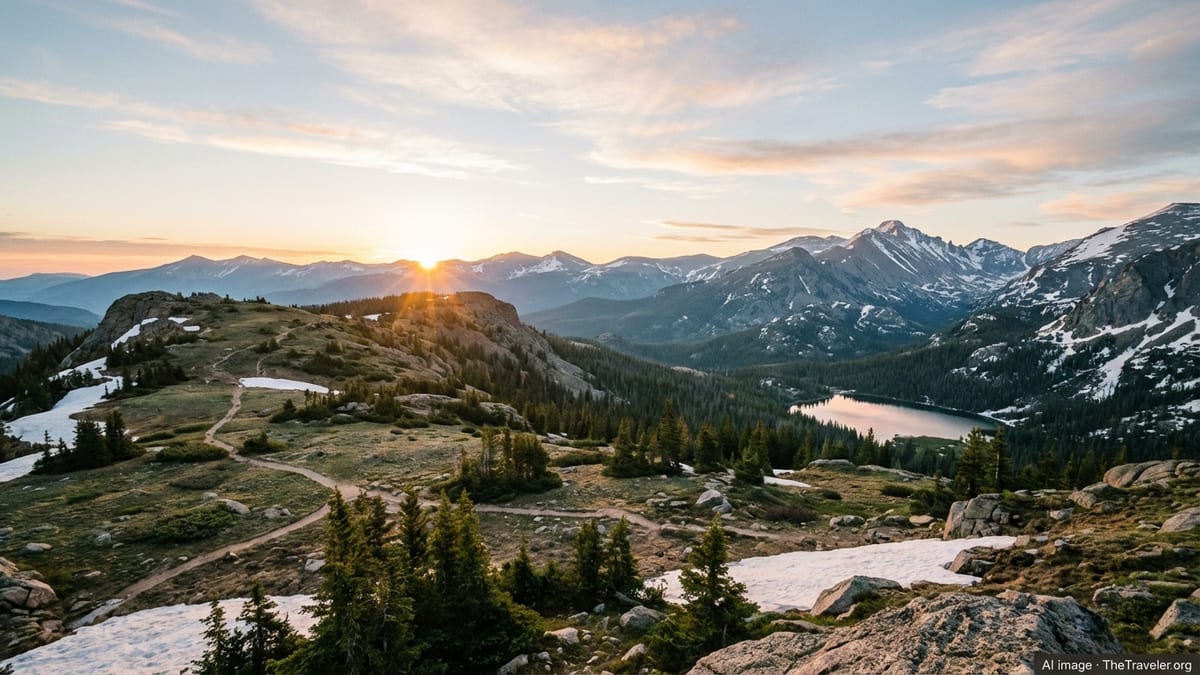
Any list of the best things to do in Colorado starts with its national parks. Rocky Mountain National Park, just a couple of hours from Denver, is the state’s headline act, with jagged peaks topping 14,000 feet, glassy alpine lakes and sweeping tundra where elk, bighorn sheep and marmots roam. In summer, Trail Ridge Road climbs above treeline for big sky views over the Continental Divide, while lower trails lead to waterfalls and wildflower meadows. In winter and early spring, much of the park turns into a quiet world of snowshoes, cross country skis and frosted pines, with ranger led programs that help visitors enjoy the backcountry safely.
On the state’s western edge, Black Canyon of the Gunnison National Park delivers a very different kind of drama. Here, the Gunnison River has carved one of North America’s steepest and narrowest chasms, with almost sheer walls plunging more than 2,000 feet in places. Scenic drives on the South and North rims offer jaw dropping overlooks, while experienced hikers and climbers can obtain permits to descend into the inner canyon. Sunrises and sunsets paint the dark rock in shifting colors, and because this is a designated International Dark Sky Park, clear nights reveal a brilliant canopy of stars.
Farther southwest, Mesa Verde National Park preserves some of the most important archaeological sites in the United States. The park protects thousands of Ancestral Puebloan sites, including the world renowned cliff dwellings tucked into sandstone alcoves. Guided tours, which typically operate from late spring through fall, take visitors into dwellings such as Cliff Palace and Balcony House, where rangers explain how people farmed, traded and thrived here for centuries. Evening programs and overlooks along the Mesa Top Loop Road provide context on the broader cultural landscape beyond the famous dwellings.
Colorado’s fourth national park, Great Sand Dunes, surprises many first time visitors. Here, the tallest dunes in North America rise in graceful curves at the base of the Sangre de Cristo Mountains. Families and adventurers alike hike the ridgelines, try sandboarding or sand sledding on the slopes, and, in late spring and early summer, cool their feet in the seasonal flow of Medano Creek. Because of the park’s remote location and lack of light pollution, it is also a standout place for stargazing and night photography, especially on moonless nights.
Experience Classic Mountain Towns and World Class Ski Resorts
Colorado’s postcard mountain towns deliver on their reputation for alpine scenery, outdoor adventure and cozy après culture. Aspen, Vail, Breckenridge and Telluride rank among the most famous, drawing skiers and snowboarders in winter and hikers, festival goers and leaf peepers in summer and fall. Each resort has a distinct personality, from Vail’s European inspired pedestrian village to Telluride’s historic mining era streets nestled in a steep box canyon. Modern lifts and extensive trail networks make it easy to find terrain for every skill level, and many resorts now keep chairlifts running in summer for downhill mountain biking and lift served hiking.
Even if you are not an avid skier, visiting a Colorado mountain town is an experience in itself. In places like Breckenridge and Steamboat Springs, you can pair gentle snowshoe excursions or sleigh rides with hot chocolate by the fire, local craft beer or a soak in nearby hot springs. Many towns host winter festivals featuring ice sculptures, live music and night skiing, while summer calendars fill with outdoor concerts, art walks and farmers markets. For budget conscious travelers, visiting in the shoulder seasons of late spring or early fall often means fewer crowds and better rates, while still delivering plenty of sunshine and access to trails.
Beyond the marquee names, Colorado’s lesser known resorts and high country communities offer a quieter but equally rewarding side of mountain life. Towns such as Crested Butte, Ouray, Silverton and Salida attract hikers, backcountry skiers and mountain bikers who prefer a more low key atmosphere and easy access to trailheads. Lodging here ranges from historic inns and cabins to boutique hotels, and local restaurants increasingly highlight regional ingredients, from San Luis Valley potatoes to Western Slope peaches and grass fed beef.
Travelers visiting mountain areas should plan carefully for altitude and weather. Many popular towns and ski bases sit between 8,000 and 10,000 feet, with nearby passes climbing much higher. It is wise to ease into strenuous activity, stay hydrated and follow local safety guidance, especially in winter and during summer thunderstorm season. Checking in with local visitor centers and ski patrols before heading onto more remote terrain is an important part of responsible Colorado mountain travel.
Explore Red Rock Landscapes, Canyons and Hot Springs
Colorado is not only towering peaks and evergreen forests. The state’s western and southern regions reveal a different palette of red rock formations, arid canyons and broad river valleys. Near Colorado Springs, Garden of the Gods showcases dramatic sandstone spires and fins that rise abruptly from the foothills, framed by distant views of Pikes Peak. Paved and gravel paths thread through the formations, making this a remarkably accessible place to experience Colorado geology, whether you are walking, cycling or simply driving the loop road and stopping at overlooks.
Farther west, the landscape opens around Grand Junction and Fruita, where the Colorado National Monument protects a maze of monoliths, plateaus and deep canyons. A scenic drive called Rim Rock Drive winds along the cliffs, with pullouts that reveal sweeping views over the Grand Valley and Book Cliffs. Hiking trails vary from short rim side strolls to longer descents into the canyons, and the area is also a major destination for road cycling and mountain biking, with routes that take advantage of the region’s dry climate and extended season.
Hot springs are another quintessential Colorado experience, especially after a day on the trail or slopes. Towns such as Glenwood Springs, Ouray, Pagosa Springs and Steamboat Springs are famous for their mineral rich pools, some developed into modern wellness complexes and others retaining a more rustic vibe. Soaking under the open sky in winter while snow falls on surrounding peaks is a memory many visitors cherish. Facilities usually offer a range of pool temperatures, family friendly areas and quieter adult spaces, and many operate year round with timed entry systems during busier periods.
Canyon country in southern Colorado provides still more variety. Near the New Mexico border, the San Luis Valley and the surrounding mountains form one of the largest high alpine valleys in the world, dotted with small towns, wildlife refuges and historic sites. To the west, routes toward Durango and Cortez pass through high desert terrain and river corridors lined with cottonwoods. Travelers can detour to state parks, recreation areas and scenic byways that showcase lesser known rock art sites, reservoirs popular with boaters and anglers, and viewpoints that glow with warm color at sunrise and sunset.
Ride Historic Railroads and Scenic Byways
Colorado’s mining history lives on in its narrow gauge railways and a network of scenic byways that follow old stagecoach and railroad routes. Riding one of the state’s historic trains is a standout experience for many visitors. The Durango and Silverton Narrow Gauge Railroad, operating since the 1880s, winds along the Animas River through steep mountain terrain between Durango and the former mining town of Silverton. Open air cars and vintage locomotives create a strong sense of stepping back in time, while seasonal themes, photography trips and winter excursions add variety to the schedule.
On the eastern side of the San Juan Mountains, the Cumbres and Toltec Scenic Railroad connects Antonito, Colorado, with Chama, New Mexico. This line traverses high passes, deep gorges and remote meadows, often with long views over the surrounding ranges. Because these trips can last most of a day, they suit travelers who enjoy slow travel and want to immerse themselves in the landscape without having to drive challenging mountain roads. Advance reservations are typically recommended, especially in peak summer and autumn foliage seasons.
Colorado’s designated scenic and historic byways offer similar rewards for drivers and cyclists. Routes such as Trail Ridge Road in Rocky Mountain National Park, the San Juan Skyway around Durango and Ouray, and the Mount Evans Scenic Byway near Idaho Springs rank among the most striking drives in the country. They link high passes, waterfalls, alpine lakes and historic towns, often with interpretive signs that explain geology, wildlife and human history along the way. Many byways are seasonal and can close due to snow or severe weather, so it is important to check current conditions and opening dates before planning an itinerary around a particular road.
Even lower elevation byways can provide memorable experiences without the challenges of high mountain driving. Routes across the eastern plains highlight Colorado’s agricultural heritage, shortgrass prairies and wide open skies, while byways along the Arkansas and Colorado Rivers follow important trade and migration corridors. These drives are ideal for spotting raptors, pronghorn antelope and expansive sunsets, reminding travelers that Colorado’s story extends far beyond its most photographed peaks.
Discover Colorado’s Cities, Culture and Culinary Scene
Colorado’s cities balance outdoor access with museums, live music, sports and a fast evolving dining scene. Denver, the state capital and largest city, serves as the main gateway for many travelers and merits more than a quick overnight stop. Its downtown and surrounding neighborhoods feature public art, historic warehouses converted into markets and hotels, and major cultural institutions such as art and history museums, a science museum and a botanical garden. Visitors can tour craft breweries, explore food halls that showcase local producers, and catch professional baseball, basketball, football, hockey and soccer depending on the season.
Nearby Boulder blends a lively university atmosphere with strong outdoor and wellness cultures. The city sits at the base of distinctive rock formations called the Flatirons, with trailheads only minutes from cafes, bookstores and independent shops. Its restaurant scene emphasizes local ingredients and plant forward menus, and the city regularly appears on lists highlighting quality of life and access to recreation. Farther south, Colorado Springs anchors a region rich in military history and natural landmarks, including Pikes Peak, Garden of the Gods and numerous reservoirs, parks and open spaces.
Across the state, smaller cities and towns contribute their own flavors. Fort Collins is known for its historic Old Town and its role in Colorado’s craft beer movement, while Grand Junction serves as a gateway to wine country and the red rock landscapes to the west. Pueblo, on the Arkansas River, offers a deep dive into the state’s steelmaking and railroading past along with a popular riverwalk and a late summer festival scene. In the high country, former mining centers such as Leadville and Georgetown preserve Victorian architecture and stories from Colorado’s silver and gold rush eras.
Wherever you go, food and drink are important parts of the Colorado experience. The state has become a leader in craft brewing and distilling, and many producers now focus on low alcohol or alcohol free options as well. Wine regions on the Western Slope produce increasingly recognized reds and whites, often available in small tasting rooms surrounded by orchards and vineyards. Farmers markets and seasonal menus highlight Palisade peaches, Olathe sweet corn and San Luis Valley potatoes, while contemporary chefs reinterpret traditional Western dishes in inventive ways.
Hike, Bike and Play Outdoors Year Round
Colorado’s greatest draw is arguably its year round access to the outdoors. With hundreds of trail systems across national forests, state parks and local open spaces, hikers and mountain bikers of all abilities can find routes that match their comfort level. Popular areas around Boulder, Colorado Springs, Fort Collins and Denver offer well signed paths close to urban centers, making it easy to fit in sunrise hikes or after work rides. In the high country, longer routes lead to alpine lakes, wildflower basins and high ridgelines during the short but spectacular summer season.
Winter transforms much of the state into a playground for snow sports. In addition to downhill skiing and snowboarding at major resorts, visitors can try cross country skiing, skate skiing, snowshoeing and fat tire biking on groomed trails or in backcountry zones. Many state parks and community recreation areas now maintain winter trail networks and rental shops, lowering the barrier to entry for travelers who want to experiment with new activities. Guided tours, from avalanche awareness courses to family friendly snowshoe walks, help visitors explore safely while learning about snow science and winter ecology.
Shoulder seasons offer their own rewards. Spring brings rushing waterfalls and early wildflowers at lower elevations, while fall is prime time for viewing golden aspen groves in the mountains and cottonwoods along river corridors. Wildlife viewing opportunities occur year round, though travelers should follow guidance from Colorado Parks and Wildlife on keeping a safe distance and avoiding behaviors that attract animals to human food or trash. In recent years, state officials have underscored the importance of securing campsites and homes to reduce conflict with bears and other wildlife, a reminder that Colorado’s natural beauty comes with responsibilities for both residents and visitors.
Water based activities also play a large role in Colorado recreation. The Arkansas, Colorado, Animas and Cache la Poudre Rivers support seasonal rafting and kayaking trips ranging from gentle family floats to challenging whitewater runs. Reservoirs and natural lakes across the state host boating, paddleboarding and fishing, with varying regulations depending on the managing agency. Visitors should always wear life jackets, check flow conditions and, when possible, rely on reputable outfitters who prioritize safety and adhere to local rules.
Travel Responsibly and Plan for Colorado’s Conditions
As Colorado’s popularity has grown, so has the emphasis on traveling responsibly. Local tourism offices and land managers encourage visitors to follow Leave No Trace principles, which include packing out all trash, staying on designated trails, respecting wildlife and minimizing campfire impacts. In heavily visited areas such as Rocky Mountain National Park, Maroon Bells near Aspen and certain hot springs, timed entry systems, parking reservations or shuttle buses may be in place during peak seasons. Checking current requirements before you go helps protect fragile environments and prevents disappointment at trailheads and park entrances.
Weather and altitude are two of the most important factors to consider when planning a Colorado trip. Conditions can change quickly, especially in the high country, where afternoon thunderstorms often build in summer and snow can arrive early in fall or linger into late spring. Building flexibility into your itinerary, carrying appropriate layers and knowing when to turn back are all part of mountain savvy. At higher elevations, even fit travelers may feel the effects of thinner air, so it is sensible to start with gentler activities, drink plenty of water, limit alcohol and seek medical advice if symptoms of altitude sickness appear.
Wildfire and drought are recurring realities in the region, and travelers may encounter fire restrictions, smoky periods or temporary closures of trails and campgrounds. Official state and federal land management channels provide the most up to date information on active fires, air quality and restrictions. By staying informed and adapting plans when necessary, visitors can support both community safety and long term landscape health.
Finally, responsible travel in Colorado also means engaging with local communities in positive ways. Choosing locally owned lodging, restaurants and guiding services helps sustain year round economies in towns that sometimes face seasonal swings. Taking the time to learn about Indigenous histories, mining legacies and contemporary cultural movements deepens your understanding of the places you visit. A thoughtful approach not only enriches your own experience but also ensures that Colorado’s iconic destinations remain vibrant and welcoming for future travelers.
The Takeaway
From the snow capped summits of Rocky Mountain National Park to the ancient cliff dwellings of Mesa Verde and the hot springs, railroads and red rock canyons that connect them, Colorado offers an unusually rich mix of outdoor adventure, culture and history. The best trips here weave together a few of the state’s greatest hits with time to explore lesser known corners, whether that means pedaling a local trail system near the Front Range, lingering over wine in a Western Slope vineyard or watching stars emerge above the dunes.
Planning ahead for altitude, weather and current conditions, and traveling with a light footprint, allows you to enjoy Colorado at its finest while helping to protect the landscapes and communities that make this region special. Whether you come for skiing, hiking, scenic drives or simply to breathe mountain air and watch the changing light on distant peaks, the state’s iconic experiences have a way of inspiring return visits. Colorado is less a single trip than an ongoing relationship, and every journey into its wide open spaces reveals something new.
FAQ
Q1. When is the best time of year to visit Colorado?
The best time depends on what you want to do. Winter is ideal for skiing and snowboarding, late spring and summer favor hiking, rafting and national park road trips, while September and early October are prized for fall foliage and generally stable weather in the mountains.
Q2. How many days do I need to see Colorado’s main highlights?
With five to seven days you can combine a major city such as Denver or Colorado Springs with one or two mountain towns and a national park. Two weeks allows a more relaxed loop that might include the Western Slope, Mesa Verde or multiple scenic byways.
Q3. Do I need a car to explore Colorado?
A car gives you the most flexibility, especially for mountain towns and national parks. Larger cities offer public transport, ride shares and some shuttle services to nearby attractions, but many trailheads and scenic drives are best reached by personal vehicle or guided tour.
Q4. How should I prepare for Colorado’s altitude?
Plan an easier first day, drink plenty of water, eat regularly and avoid excessive alcohol. If you have heart or lung conditions, consult a medical professional before traveling to high elevations, and seek help if you experience severe headache, nausea or unusual shortness of breath.
Q5. Are reservations required for Colorado’s national parks?
Some parks use timed entry or vehicle reservation systems during busy seasons, and popular ranger led tours or campgrounds often book out in advance. Check official park information before your trip and secure necessary reservations as early as practical.
Q6. Is Colorado safe for hiking and wildlife viewing?
Most visitors hike and view wildlife without problems when they follow marked trails, observe posted warnings and keep safe distances from animals. Carrying maps, water, layers and basic first aid, and starting early in the day, further reduces common risks.
Q7. What should I pack for a Colorado trip?
Pack layers for changing temperatures, sturdy shoes for walking or hiking, sun protection, a refillable water bottle and any needed medications. In mountain areas, a lightweight rain jacket, warm hat and gloves can be useful even in summer.
Q8. Can I visit Colorado without skiing or snowboarding?
Yes. Many winter visitors enjoy snowshoeing, hot springs, scenic drives, spa days, shopping and dining in mountain towns. Cultural attractions in Denver, Boulder and Colorado Springs also make rewarding winter itineraries.
Q9. How accessible is Colorado for travelers with limited mobility?
Major cities, many museums and some scenic overlooks and trails offer accessible facilities. Several national and state parks provide accessible viewpoints, boardwalks and visitor centers, though terrain can still be challenging in remote areas.
Q10. How can I travel responsibly in Colorado’s outdoor areas?
Follow Leave No Trace principles, respect closures and fire restrictions, keep a safe distance from wildlife, use established campsites where possible and support local businesses that prioritize sustainability and community well being.