

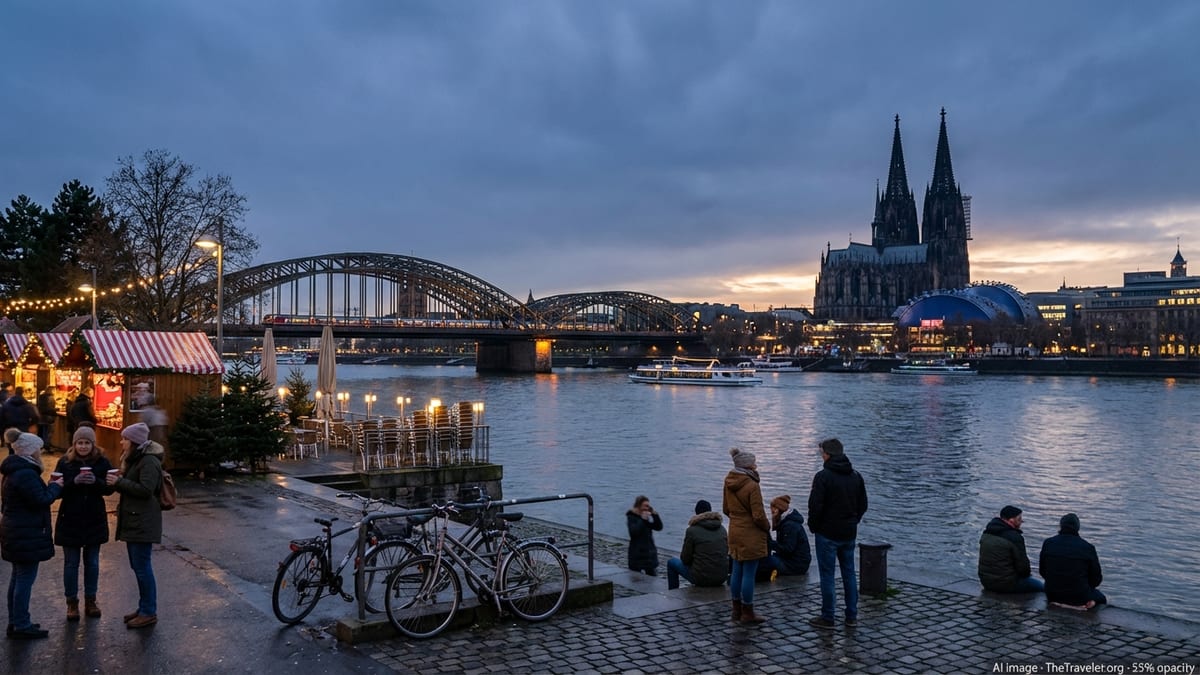
Cologne is one of Germany’s most atmospheric cities, and timing your visit can completely change how you experience it. From packed carnival streets in February to the glow of Christmas markets in December and lazy summer evenings on the Rhine, each season offers a different version of the city. Understanding Cologne’s weather patterns, major events, and crowd levels will help you decide whether you want high-energy festivals, relaxed museum-hopping, or something in between.
Cologne’s Climate at a Glance
Cologne has a temperate maritime climate, with mild winters, relatively cool summers, and precipitation spread fairly evenly throughout the year. Temperatures rarely plunge into extremes, but the city often feels more humid and overcast than destinations further south in Germany. That makes it a year-round choice, but with very different moods from month to month.
Winter, from December through February, is cold but usually not bitter. Typical daytime highs hover around 4 to 7 degrees Celsius (39 to 45 degrees Fahrenheit), with nights dropping close to freezing. Snow is possible but not guaranteed, and most winter days are cloudy with light rain or drizzle rather than heavy storms. The chill is more penetrating than dramatic, so good layers and a waterproof coat matter more than extreme cold-weather gear.
Spring arrives slowly in March and really settles in by late April. Temperatures climb into the low to mid-teens Celsius during the day, with cool nights and frequent showers. By May, Cologne feels properly pleasant, with fresh greenery along the Rhine and more outdoor café culture, even if you should still expect a mix of sun and rain on most trips.
Summer, especially July and August, brings average highs in the low to mid-20s Celsius (roughly the low to mid-70s Fahrenheit). Heatwaves occasionally push temperatures above 30 degrees Celsius, but these tend to be short-lived. Even in summer, you should pack a light jacket or sweater. Autumn then cools gradually, with crisp but comfortable days in September and a noticeable drop in temperature and daylight by November. These seasonal factors influence whether Cologne is worth visiting for your travel goals.
Winter: Carnival Season and Christmas Magic
Winter is when Cologne’s most famous cultural moments unfold, making it one of the best times to visit if you are drawn to atmosphere rather than sunshine. The highlight for many is carnival, known in German as Karneval or Fastelovend, which turns the city into a week-long street party. In 2026, the main “crazy days” of carnival run from February 12 to 18, with Weiberfastnacht (Women’s Carnival) on Thursday February 12 and Rose Monday on February 16. This pattern is similar every year, shifting with the dates of Lent but always concentrated in February or occasionally late January.
During carnival, Cologne’s normal routines are suspended. Offices and schools operate on limited schedules, many locals appear in costumes, and the Old Town fills with parades, marching bands, and bar-hopping revelers. The biggest parade on Rose Monday threads its way through central streets, and spontaneous singing and dancing spill from pubs into the squares. For visitors who enjoy big, boisterous crowds and a festive, slightly chaotic atmosphere, this is Cologne at its most unforgettable.
On the other hand, carnival is not ideal if you hope for quiet sightseeing. Hotel prices rise, availability shrinks, and moving around the historic center can be slow. Museums, shops, and some restaurants adjust their hours, and the focus is firmly on celebration. If you intend to travel at this time, it is wise to secure accommodation several months in advance and to expect late-night noise wherever you stay in the inner districts.
From mid-November until just before Christmas, Cologne transforms again as a network of Christmas markets opens across the city. In 2025, most markets are scheduled from November 17 to December 23, with a few opening earlier in November and some, such as the Harbor Market and the Heinzel’s Winter Fairy Tale, continuing until after Christmas and into early January. These markets cluster in the inner city, particularly around Cologne Cathedral, the Old Town, and along the Rhine, making it simple to walk between them in a single evening.
Winter visitors should plan for short days, damp weather, and crowds packed into market squares and carnival parade routes. In exchange, you get mulled wine beneath the spires of the cathedral, twinkling lights reflected in the river, and a sense that the entire city is participating in the season. This is an excellent time to combine indoor activities such as museum visits with concentrated bursts of outdoor festivity.
Spring: Shoulder Season Sweet Spot
Spring may be the most overlooked but balanced time to visit Cologne. From late March through May, the city sheds its winter grayness, but it has not yet filled with the full weight of summer tourism. Trees along the Rhine promenade leaf out, café terraces return, and the city’s parks start to feel lively on sunny days.
Weather in March is still cool and variable. Daytime temperatures often sit between 8 and 12 degrees Celsius, with chilly evenings and regular showers. Crowds are relatively light, aside from occasional spikes around Easter when many Europeans take short holidays. By April, blossoms appear in the parks and neighborhoods, and Cologne’s waterfront becomes more inviting, even if a warm jacket remains essential.
May is particularly appealing for travelers who want to walk and sightsee extensively. Typical highs reach into the high teens Celsius, and while rain remains a possibility on any given day, you are more likely to experience a blend of sun and clouds. Museum visits, river cruises, and strolling across the Hohenzollern Bridge to admire the skyline all feel more pleasant without the heat or congestion of peak summer.
From an events perspective, spring lacks a single defining celebration on the scale of carnival or the Christmas markets. Instead, it offers smaller cultural festivals, concerts, and sports events spread across the season. This means that hotel prices stay more moderate and availability is generally better. If your priority is to see the cathedral’s interior, climb the tower, explore the Museum Ludwig or the Romano-Germanic Museum, and eat unhurried meals in local breweries, late April through May is one of the best times to do so.
Summer: Long Days, Outdoor Living, and Major Trade Fairs
Summer is Cologne’s high season for good reason. Long daylight hours and mostly comfortable temperatures encourage visitors and locals alike to spend more time outdoors. The Rhine promenade becomes a favorite spot for evening strolls, river cruise boats shuttle back and forth, and beer gardens and riverside bars fill in the later hours, especially on weekends.
July and August bring daytime highs that often settle around 23 to 26 degrees Celsius. Humidity can be noticeable, and occasional heatwaves push temperatures higher, but these usually last only a few days. Most hotels and restaurants are accustomed to summer tourism, and central areas like the Old Town, Belgian Quarter, and the riverfront see their busiest weeks during this period. Outdoor events, open-air cinema screenings, and neighborhood festivals fill the calendar.
One of the largest annual events of late summer is Gamescom, the major video game trade fair held at the Koelnmesse convention center. In 2025, the show is scheduled from August 20 to 24, and in 2026 it will take place from August 26 to 30. Gamescom draws hundreds of thousands of visitors, including industry professionals, journalists, and gaming fans, making it one of Europe’s biggest conventions. During these dates, Cologne’s public transport is noticeably busier, hotels near the fairgrounds and in the inner city sell out quickly, and nightly rates rise significantly.
If you plan to attend Gamescom, booking accommodation six months or more in advance is advisable. Staying slightly outside the immediate trade fair area, in districts such as Ehrenfeld or Deutz, can offer a more relaxed atmosphere while remaining connected by train and tram. If you are not interested in the fair, you may prefer to avoid these exact dates to sidestep increased costs and crowds, or to base yourself in quieter neighborhoods and plan your city sightseeing early in the day.
Outside of Gamescom, summer in Cologne is relatively straightforward. Expect lively streets, heavier foot traffic around major attractions, and increased restaurant and bar reservations in the evenings. The reward is a city that feels fully awake, with street performers, outdoor concerts, and the simple pleasure of sitting outside with a glass of Kölsch as the sun sets late over the Rhine.
Autumn: Culture, Color, and Calmer Crowds
Autumn often appeals to travelers who prefer mild weather, lower prices, and a more local atmosphere. September in Cologne can feel like an extension of summer, with many days still reaching the high teens or low 20s Celsius and plenty of sunshine. Crowds thin slightly as European school holidays end, but the city remains active with conferences, exhibitions, and cultural events.
By October, the air turns cooler and the city’s parks shift into autumn colors. Daytime temperatures trend between 10 and 15 degrees Celsius, with cooler nights and a noticeable increase in rain and wind. This is an ideal time for museum visits, cathedral tours, and lingering in cafés. Evenings lend themselves to traditional brewery restaurants, where you can sample hearty Rhineland dishes in a cozy setting.
November is typically the quietest month in terms of tourism, at least until the Christmas markets open in the second half of the month. The city feels more subdued, with shorter days and a more pronounced grayness to the sky, but this can be appealing if you value an unhurried pace and easier same-week hotel bookings. Cultural institutions, including theaters and concert halls, ramp up their programming in the autumn, giving visitors ample options for indoor entertainment.
From a budgeting perspective, autumn frequently offers better value than spring or summer, especially on weekdays. Airfares to Germany and regional rail fares can also be more favorable outside school holidays and major trade fairs. If you are flexible and prioritize culture and food over outdoor lounging, late September through early November is a very practical and rewarding window to experience Cologne.
Events Calendar: Key Festivals and When to Go
To choose the best time to visit Cologne, it helps to look beyond the seasons and focus on the city’s major recurring events. Carnival is the largest, setting the tone for much of February each year. Street celebrations, parades, and costumed revelry fill the Old Town and beyond from Weiberfastnacht on the Thursday before Ash Wednesday through to Rose Monday and the quiet close on Ash Wednesday itself. Even outside those core days, the carnival “session” officially begins each year on November 11 at 11:11 in the morning, when local clubs and societies start their formal season.
From mid-November, the build-up to Christmas begins with the opening of Cologne’s themed markets. These include the Christmas Market at Cologne Cathedral, the Market of Angels, Heinzel’s Winter Fairy Tale in the Old Town, the Harbor Market by the Rhine, and several neighborhood markets in districts such as Stadtgarten and Rudolfplatz. In 2025, most of these run from around November 17 to December 23, with some staying open slightly longer. Each market has its own character, from maritime touches along the riverfront to whimsical gnome themes in the Old Town.
In late August, Gamescom turns Cologne into the center of the gaming world. The 2025 edition takes place from August 20 to 24, while Gamescom 2026 is scheduled for August 26 to 30. The fair is split between trade-only days and public days but affects the entire city throughout its run. Hotels, restaurants, and transport all experience heightened demand, and the city center, particularly near the main station and the Rhine bridges, buzzes with international visitors and branded events.
Alongside these headline events, Cologne hosts numerous smaller festivals throughout the year, including music and arts festivals, neighborhood street fairs, and regular performances at institutions such as the Cologne Opera and the Gürzenich Orchestra. While these do not typically transform the city in the same way as carnival or Gamescom, they can add richness to your visit. Timing can also change how Cologne vs Düsseldorf compares.
Balancing Crowds, Costs, and Experiences
When weighing the best time to visit Cologne, most travelers balance three main factors: how busy the city will be, how much they are willing to spend, and what kind of atmosphere they want. Carnival and the Christmas market season deliver the strongest sense of local tradition but correspond with the heaviest crowds in the historic center and higher accommodation costs. Summer brings pleasant weather and long days, along with peak-season pricing and increased visitor numbers, particularly around Gamescom.
For many visitors, the sweet spot lies in the shoulder seasons. Late April through May and September through early November offer moderate temperatures, more manageable crowds, and easier hotel bookings. These periods are well-suited to travelers who want to explore Cologne’s museums, architecture, and food scene without competing with dense festival crowds or intense summer foot traffic. You may not see the city at its most spectacularly decorated, but you will experience a more everyday Cologne.
Weekday versus weekend timing also makes a significant difference. During Christmas market season, weekdays are noticeably less crowded than Friday and Saturday evenings, when both tourists and locals converge on the central squares. Similarly, if you are visiting during Gamescom or around smaller trade fairs, staying over Sunday night into midweek can reduce room rates compared with Friday and Saturday. If your dates are fixed, consider staying slightly outside the inner city and using Cologne’s reliable public transport to commute in.
Weather flexibility is another factor. Cologne’s climate is changeable in every season, so it is wise to build indoor options into your itinerary whether you arrive in January or July. The city’s compact center, strong tram and train network, and high density of cafés and restaurants make it fairly simple to adjust plans when rainstorms pass through. Choosing the time of year that matches your tolerance for gray skies, your budget, and your interest in major events will ultimately matter more than chasing a particular temperature.
The Takeaway
There is no single “best” time to visit Cologne, only different versions of the city that suit different travelers. If you are drawn to exuberant celebrations and do not mind crowds, come for carnival in February and embrace the city at its loudest and most colorful. If your ideal trip involves fairy lights, mulled wine, and a festive atmosphere, target the Christmas market season from mid-November to just before Christmas, when the inner city becomes a network of themed winter villages.
Travelers who prefer milder weather, fewer crowds, and a focus on museums and food will find late spring and early autumn ideal. Summer, with its long days and busy outdoor life, works well for first-time visitors who want to combine sightseeing with relaxed evenings by the Rhine, but they should be aware of peak prices and plan around major trade fairs such as Gamescom.
Ultimately, Cologne is less about postcard-perfect weather and more about mood. Decide whether you want a high-energy festival city, a cozy winter escape, or a laid-back cultural break, and then let that choice guide your timing. With realistic expectations about crowds and climate, you can enjoy Cologne at any point in the year and come away with a strong sense of its character.
FAQ
Q1. When is the overall best time of year to visit Cologne?
The most balanced periods for weather, crowds, and prices are late April through May and September through early November. These shoulder seasons offer comfortable temperatures for walking, fewer peak-season visitors, and more moderate hotel rates while still providing a good choice of cultural events.
Q2. When should I visit Cologne for carnival?
Carnival’s main street celebrations generally fall in February, in the week leading up to Ash Wednesday. In 2026, the key days run from February 12 to 18. If you want the full experience, plan to be in the city from Weiberfastnacht on Thursday through Rose Monday, when the largest parade takes place.
Q3. What are the typical dates for Cologne’s Christmas markets?
Cologne’s Christmas markets usually open in mid-November and run until December 23, with a few individual markets opening earlier or extending into late December and early January. In 2025, most central markets are scheduled from November 17 to December 23, with some, such as the Harbor Market and the Heinzel’s Winter Fairy Tale, staying open a bit longer.
Q4. Is winter too cold to enjoy Cologne?
Winter in Cologne is cold and damp but rarely extreme. Daytime temperatures typically range from about 4 to 7 degrees Celsius, and snow is occasional rather than constant. With warm layers and a waterproof coat, you can comfortably enjoy outdoor attractions, especially the Christmas markets, and retreat to museums, churches, and cafés when you need to warm up.
Q5. How crowded does Cologne get during Gamescom?
Gamescom draws hundreds of thousands of visitors and has a noticeable impact on the city from the main station to the trade fair grounds in Deutz. Hotels near the Koelnmesse and in central districts book out early and raise prices, public transport becomes much busier during fair hours, and restaurants see higher demand in the evenings. If you are not attending, consider avoiding these specific dates or staying in a quieter neighborhood.
Q6. Are weekends much busier than weekdays?
Yes, especially during key seasons. In the Christmas market period, Friday and Saturday evenings are significantly more crowded than Monday to Thursday. During summer and around large events, weekends also bring more German and European weekend visitors. If you prefer space and a calmer atmosphere, plan your most popular activities and market visits for weekdays where possible.
Q7. What is the rainiest time of year in Cologne?
Rain is fairly evenly distributed throughout the year, but late autumn and winter tend to feel wetter and more overcast, while summer showers often come as brief downpours. Regardless of when you travel, pack a light, waterproof jacket or umbrella and arrange a mix of indoor and outdoor activities so you can adapt your plans to changing conditions.
Q8. Is summer too hot in Cologne?
Most summer days in Cologne are comfortably warm rather than excessively hot, with highs typically in the low to mid-20s Celsius. Occasional heatwaves can push temperatures above 30 degrees, but these spells are usually short. A light wardrobe with layers, plus access to shade and hydration during the warmest hours, is usually sufficient.
Q9. How far in advance should I book accommodation for peak events?
For carnival, Christmas market weekends, and Gamescom, booking accommodation several months in advance is prudent. Central hotels and popular boutique options can sell out early for these periods, and prices tend to rise closer to the dates. Planning ahead gives you more choice of location and helps you avoid last-minute surcharges.
Q10. If I only have two days in Cologne, when should I go?
If your dates are flexible and you are not targeting a specific festival, a weekday visit in late spring or early autumn is ideal. You will have enough time to see the cathedral, cross the Hohenzollern Bridge, explore at least one or two major museums, and sample local food and Rhine views without the densest crowds or peak-season prices.