

Idaho stretches from high desert to snowbound peaks, so the “best” time to visit depends on whether you picture yourself carving powder, chasing mountain wildflowers, or paddling clear alpine lakes. With four distinct seasons and big differences between valleys and high country, timing your trip is one of the most important decisions you will make. This guide breaks down Idaho’s weather patterns, bloom windows, and ski seasons so you can match your plans to the right month and region.
Understanding Idaho’s Seasons and Regions
Idaho’s shape and varied elevations create multiple climates in one state. In the south and west, cities like Boise sit in a high desert basin with relatively mild winters, hot dry summers, and long sunny stretches. Farther north, the panhandle around Coeur d’Alene and Sandpoint is cooler and wetter, with dense forests and lakes that hold snowpack longer into spring. Add in the central mountain ranges around the Sawtooth National Recreation Area and Sun Valley, where elevations soar well above 6,000 feet, and the timing of both snow and wildflowers can shift by weeks from one area to another.
In practical terms, that means you can ski steep terrain in Sun Valley while biking dry foothill trails outside Boise on the same March weekend. It also means that a “spring” hike near Coeur d’Alene might be muddy and cool while trails in the lower Snake River plain are already warm and blooming. When planning your trip, think first about elevation and latitude. Lower valley towns tend to warm up by late March, while many mountain trailheads remain snow covered until June or even July in heavier snow years.
Idaho’s continental interior location gives it big swings between seasons, but the generally low humidity keeps even hotter summer temperatures more tolerable than you might expect. Spring and fall bring comfortable daytime highs and crisp nights, making them ideal for travelers who want to be outdoors all day without dealing with deep snow or peak summer heat. Winter brings reliable cold in the mountains, sustained snowpack, and long ski seasons at many resorts, especially in central and northern Idaho.
Because conditions can vary sharply from year to year, especially in the mountains, it is wise to treat the time frames in this guide as flexible windows rather than fixed dates. Shoulder seasons around April to early June and late September into October are particularly sensitive to late storms or early cold snaps. If you are planning high-elevation hiking or backcountry travel, always check local trail, road, and avalanche reports before you lock in a trip.
Best Time to Visit for Overall Sightseeing
For most first-time visitors who want a little bit of everything, from scenic drives and easy hiking to time on the water and in small towns, the sweet spots are generally late May through June and again in September. In late spring and early summer, valley wildflowers are in bloom, rivers are full from snowmelt, and daytime temperatures in many areas are pleasantly mild. By June, popular lakes such as Coeur d’Alene and Payette have warmed enough for paddling and short swims, while the highest mountain passes are just beginning to open.
September is often one of the most reliable months across much of Idaho. Summer crowds thin out after Labor Day, wildfire risk can begin to ease with cooler nights, and early fall color appears in aspen groves and along river corridors. Daytime highs usually remain comfortable for hiking and cycling, especially at mid elevations. If you are hoping to combine clear hiking in the Sawtooths with evenings on an outdoor patio in Boise or Ketchum, mid September frequently offers that balance.
July and August are prime time for lake vacations, river trips, and high-country backpacking. At lower elevations, especially around Boise and the Snake River plain, these months can be quite hot with afternoon highs often reaching into the 90s Fahrenheit and occasionally higher. Heat tends to be more moderate around the panhandle lakes and at higher elevations, but midday sun is still strong. If you visit in midsummer, schedule more strenuous hiking and biking early and late in the day and plan afternoon hours on or in the water.
Winter can also be a rewarding time for general sightseeing, especially in mountain towns that embrace the season with lights, festivals, and access to hot springs. Places like Sun Valley, McCall, and Stanley feel particularly atmospheric under fresh snow, with cross-country ski trails, snowshoe routes, and nearby downhill resorts. If your priorities tilt toward winter scenery and snow-based recreation rather than hiking and wildflowers, December through March in these regions is a compelling option.
Wildflower Season: When the Gem State Turns Colorful
Idaho’s wildflower season unfolds in layers as snow recedes from low valleys to high peaks. In lower foothill country near Boise and along parts of the Snake River plain, the earliest blooms can appear as early as March in lighter snow years, usually peaking from April into early May. Hills that look dry and tan the rest of the year briefly turn soft green, dotted with balsamroot, lupine, and other early-season flowers. This is a particularly good time to explore foothill trail systems around Boise and the lower Owyhee region, when trails are firm and temperatures comfortable.
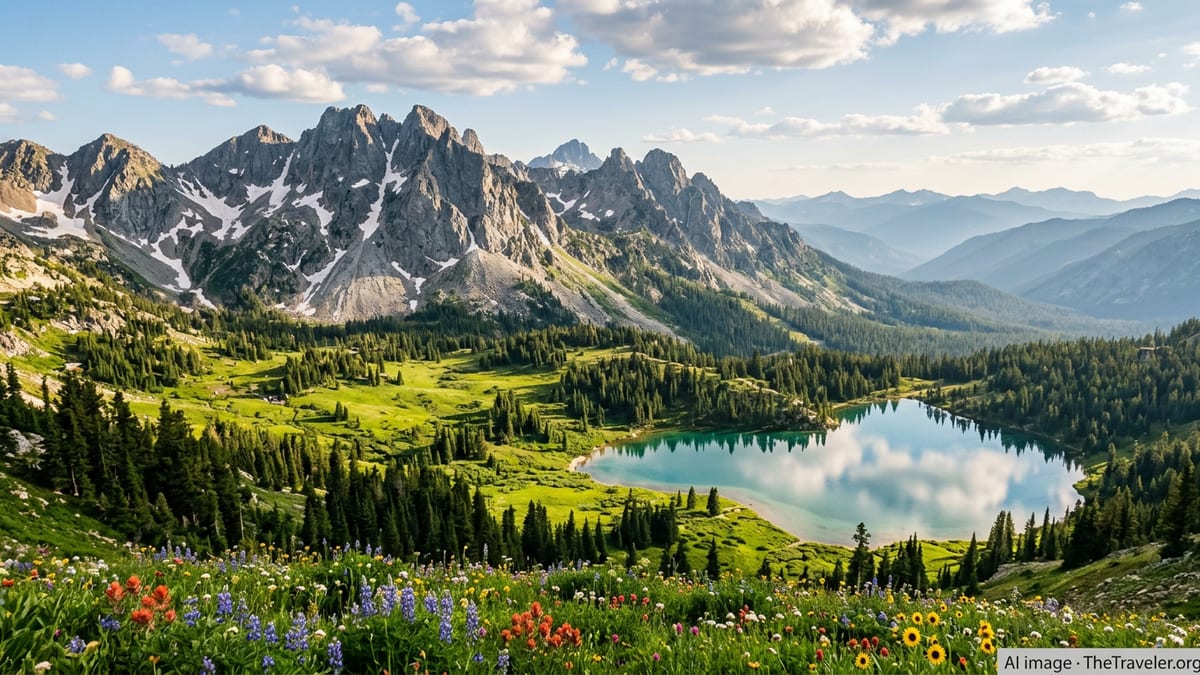
Farther north and in the central mountains, especially around the Sawtooth National Recreation Area, bloom timing is more closely tied to snowmelt. In the high valleys near Stanley and around iconic peaks like Thompson and Castle, the most reliable wildflower displays typically arrive from late June into July, sometimes lingering into early August in meadows fed by late-lying snowfields. Lower meadows and creekside areas may burst with color by late June, while higher benches and passes still hold snowdrifts. In heavier snow years, some high-elevation trails can stay snow covered into early or even mid July, which can compress the bloom window into a shorter but intense peak.
The panhandle adds its own variations. Around Coeur d’Alene and Sandpoint, hillsides and forest clearings often see robust blooms from May into early July, depending on elevation and exposure. Moist conditions encourage lush understory growth, with trillium, paintbrush, and lupine common along many hiking and biking routes. Lakeshore paths and nearby mountain trails can offer wildflower viewing without the more extreme elevation gains of central Idaho, making this region attractive for travelers who want colorful scenery with moderate hikes.
To make the most of wildflower season, it helps to target a specific region and elevation band rather than the state as a whole. If you plan to base yourself in Stanley, for example, late June through mid July is often a strong choice for a mix of open trails and prominent blooms. If your focus is on Boise’s foothills, mid April into May is usually better. Because conditions in the mountains change quickly with late storms and warm spells, check recent trip reports or call ranger stations before your visit to confirm typical trail conditions for your chosen dates.
Idaho Ski Season: When to Hit the Slopes
Idaho’s ski season is one of the longest in the Lower 48, especially at larger resorts such as Sun Valley and Schweitzer. In most years, lift-served skiing begins sometime in late November or early December, with opening dates tied to natural snowfall and snowmaking conditions. Many mountain areas aim to stay open through late March, and in strong snow years some extend operations into April with regular or weekend-only schedules. High-elevation and north-facing slopes in central and northern Idaho help preserve snowpack well into spring.
For the most reliable combination of coverage, cold temperatures, and open terrain, January and February are generally the core months. During this period, summit and upper-mountain snow depths typically reach their seasonal peaks at major resorts, and storm cycles often deliver fresh powder. Holiday weeks around late December and early January are some of the busiest periods, so travelers seeking quieter slopes might prefer mid January or late February midweek, when lift lines are shorter and lodging can be easier to secure.
Spring skiing in Idaho, especially in March and early April, has its own strong appeal. Longer daylight, more frequent sunshine, and softer snow create relaxed conditions ideal for families and for visitors who like to combine a few hours on the hill with afternoons in town. Many ski areas mark this period with events, live music, and on-snow celebrations, adding a festive atmosphere. The tradeoff is that lower and south-facing runs can show thinning coverage or slushy patches by afternoon, particularly during warm spells, so it pays to ski early in the day.
If your main goal is to ski iconic Idaho resorts with maximum terrain open, plan for late January through early March and build in some flexibility for weather. If you favor bluebird days, lighter layers, and a more laid-back vibe, late season in March can be ideal, especially in Sun Valley, Schweitzer, Bogus Basin, Brundage, and other areas that often keep significant terrain open into that month or beyond in good snow years. Always confirm projected opening and closing dates for your target season as they can shift with conditions and operational decisions.
Month-by-Month Guide to Visiting Idaho
January is deep winter in the mountains and midwinter across most of the state. Ski resorts are typically in full swing, snowshoeing and cross-country skiing trails are groomed in places like McCall, Ketchum, and the panhandle, and many backroads and high passes are snowed in. In lower valleys such as Boise, conditions are cold but often relatively dry, with occasional snow and frequent inversions that trap cold air. This is a strong month for dedicated snow sports travelers and those who enjoy quiet towns and winter scenery.
By March and April, daylight increases and lowland areas transition into early spring. Skiing often remains good through March, especially at higher resorts, even as foothill trails begin to dry and wildflowers emerge near Boise and other lower-elevation regions. April can be one of the most variable months: you might encounter fresh snowstorms in the mountains, mud season at mid elevations, and mild, sunny afternoons in the valleys in the same week. Many mountain roads and campgrounds remain closed or snowbound until later in spring, so this period is best for flexible travelers who want both lingering snow and emerging wildflowers.
May and June are prime months for combining sightseeing, moderate hiking, and wildflower viewing at lower and mid elevations. By late May, many state parks and valley campgrounds open fully, and rivers run high with snowmelt, making this an exciting time for rafting in controlled conditions. June typically brings stable warm weather to the panhandle and the Treasure Valley while high mountain passes begin to clear. Early-season mosquitoes can be noticeable near wetlands and lakes, especially after wet springs, but cooler nights generally keep conditions manageable with basic precautions.
July and August are peak summer almost everywhere in Idaho. High country trails in the Sawtooths, White Clouds, Bitterroots, and Selkirks are usually open, though residual snowfields can linger on shaded slopes and passes, especially early in July after big winters. Lakes are warmest, and river levels drop to more relaxed summer flows. These months are also the busiest for travel, with campgrounds and popular trailheads filling quickly. Afternoon heat in lower valleys and intermittent smoke from regional wildfires are the main tradeoffs; planning early morning starts and having backup plans for hazy days can help keep your trip enjoyable.
September and October deliver some of Idaho’s most pleasant conditions with fewer visitors. In September, high-elevation trails usually remain snow free while days are still warm, though nights turn noticeably colder. Fall color appears along river corridors, in aspen groves, and across larch forests in the north. By October, higher peaks may see intermittent early-season snow, and some seasonal services begin to wind down, but the quiet trails, crisp air, and golden hills make this a favorite time for many locals. Late October into November is a shoulder period: it can feel wintry in the mountains and gray in some valleys, but it is a good time for budget-conscious travelers who care less about peak conditions.
Regional Highlights: Matching Destinations to Your Dates
Southern Idaho, anchored by Boise and the Snake River plain, is often best in spring and fall for outdoor travelers. March through May brings green foothills, blooming wildflowers, and comfortable temperatures for hiking, cycling, and exploring city neighborhoods. October and early November can be similarly pleasant with fall color along the Boise River Greenbelt and in surrounding canyons. Summer in this region tends to be hot and dry; it works well if your plans involve dawn hikes, evening dining, and midday time on the water, but can feel intense for visitors unused to high heat.
Central Idaho, including the Sawtooth National Recreation Area, Sun Valley, McCall, and the Salmon and Payette river corridors, has more pronounced seasons and greater dependence on snowpack. Winter from December through March supports excellent downhill and Nordic skiing, as well as snowmobiling and backcountry touring for experienced travelers. Late June through September is the prime window for hiking and backpacking, with wildflowers peaking in many meadows from late June into July and alpine lakes accessible by mid to late summer. Shoulder months such as May and October can be highly rewarding but unpredictable, with potential for both mild days and early or late season storms.
North Idaho, encompassing Coeur d’Alene, Sandpoint, Priest Lake, and the Selkirk and Cabinet mountains, is defined by lakes and forested hills. Summer from late June through August is ideal for lake vacations, boating, and family trips, with long daylight and moderate warmth. Wildflowers are common along trails in late spring and early summer, and fall color can be spectacular in late September and October. Winter brings snow to nearby resorts such as Schweitzer and Silver Mountain, making the region appealing for visitors who want to combine skiing with nightlife and dining in lakeside towns.
Eastern Idaho and the high country near Island Park, Driggs, and the border with Wyoming and Montana have climates shaped by altitude and proximity to the Greater Yellowstone ecosystem. Snow arrives early and lingers late. For hiking and camping, July through early September is generally the safest bet for clear trails and consistent warmth, although afternoon thunderstorms are possible. Winter offers opportunities for skiing at places like Grand Targhee just across the border, along with snowmobiling and access to nearby national parks and monuments. Spring and late fall are shoulder periods with potentially muddy trails and rapidly changing conditions that reward flexible itineraries.
Balancing Crowds, Costs, and Conditions
The best time to visit Idaho is not only about weather and scenery; it also depends on how much you value solitude, availability, and price. Peak summer months of July and August, along with major winter holiday periods, tend to bring the highest lodging rates and the most competition for campsites and popular activities. If your travel dates are fixed in these windows, booking well in advance and considering midweek stays can help you find better options and slightly thinner crowds.
Shoulder seasons such as late May to mid June and again mid September to early October often deliver a quieter experience with more flexible pricing, especially in mountain towns. Many outdoor activities are still in full swing, but families with school-age children and large tour groups are less common. The main tradeoff is a slightly higher risk of unsettled weather, particularly early storms or late snow patches in the mountains. Travelers who are willing to pack an extra layer, adjust their daily plans, and appreciate a mix of sun and clouds often find these periods the most rewarding.
Winter crowding is concentrated around prime holidays and weekends, especially at marquee resorts like Sun Valley and Schweitzer. Outside those spikes, January and early February weekdays can feel surprisingly uncrowded, with better lodging availability and occasional promotions. Spring skiing in March, when conditions cooperate, also offers a good balance of atmosphere and access, as many locals shift to mountain biking and other activities even while upper slopes remain in good shape.
Budget-conscious travelers should keep an eye on the transitions between seasons. Late October and early November, and again the window between late March and late April, can be notably more affordable in many regions. These periods work best if you are interested in off-season city exploring, hot springs, road trips, and photography rather than specific peak activities such as high-elevation backpacking or guaranteed midwinter powder.
The Takeaway
Idaho rewards travelers who match their timing to their priorities. If carving long groomers and chasing powder are at the top of your list, plan your visit for January or February and base yourself in one of the state’s mountain towns with easy lift access. For wildflower hunting and first hikes of the year, look to April and May in the foothills and then late June and July in the high country around Stanley, McCall, and the panhandle ranges.
Travelers more interested in general sightseeing, lake time, and moderate hiking will often find the best balance in June and September, when temperatures are comfortable and crowds relatively manageable. Those windows also pair well with road trips that link Boise with mountain regions or connect North Idaho’s lakes and forests. If you are sensitive to heat or smoke, aim for earlier in summer at higher elevations or favor late-season trips focused on fall color.
Because Idaho’s weather and snowpack vary from year to year, treat all date suggestions as flexible ranges, not guarantees. Before you commit to flights or long drives, check recent conditions and talk with local visitor centers or land managers about current trail and road status. With a little planning and a willingness to adapt, you can find rewarding experiences here in every season, from quiet winter forests and blooming meadows to sunlit lakes and golden autumn hills.
FAQ
Q1. What is the single best month to visit Idaho for first-time travelers?
For a mix of pleasant weather, open trails, and manageable crowds, September is often the most balanced month, especially if you want both mountain and city time.
Q2. When is peak wildflower season in Idaho’s mountains?
In most central and northern mountain areas, wildflowers usually peak from late June through July, with exact timing depending on snowpack and elevation.
Q3. What months are best for skiing in Idaho?
Resorts typically operate from late November or December into March or April, but January and February are usually best for consistent snow coverage and colder temperatures.
Q4. Is July too hot to visit Idaho?
July can be hot in lower valleys, but it is ideal for lake trips and high-elevation hiking where temperatures are cooler; plan strenuous activities for mornings and evenings.
Q5. When are Idaho’s mountain passes and high trails usually snow free?
Many high passes and alpine trails open between late June and mid July in a typical year, though heavy snow winters can delay access into later summer.
Q6. What is the best time to avoid crowds at popular Idaho destinations?
Late May to mid June and mid September to early October usually offer fewer visitors and more lodging options while still providing good conditions for most activities.
Q7. Are there good times to combine skiing and hiking in Idaho?
March is often ideal for combining spring skiing at higher resorts with early-season hiking or biking on lower foothill trails, particularly around Boise and some central towns.
Q8. When is the best time for a lake vacation in North Idaho?
Late June through August is prime for lakes like Coeur d’Alene and Pend Oreille, with warm water, long days, and full marina and resort operations.
Q9. What is the most reliable season for clear hiking in the Sawtooths?
July and August usually provide the most dependable conditions for snow-free trails and accessible alpine lakes, though early September can also be excellent with cooler nights.
Q10. If I want fall colors, when should I visit Idaho?
For fall foliage, plan on late September through mid October, when aspens, river corridors, and northern forests typically show their strongest color displays.