


More news on this day
A man riding a bicycle was killed in Kalamazoo after being struck by an Amtrak train near the city’s downtown station, according to early local reports.
Get the latest news straight to your inbox!
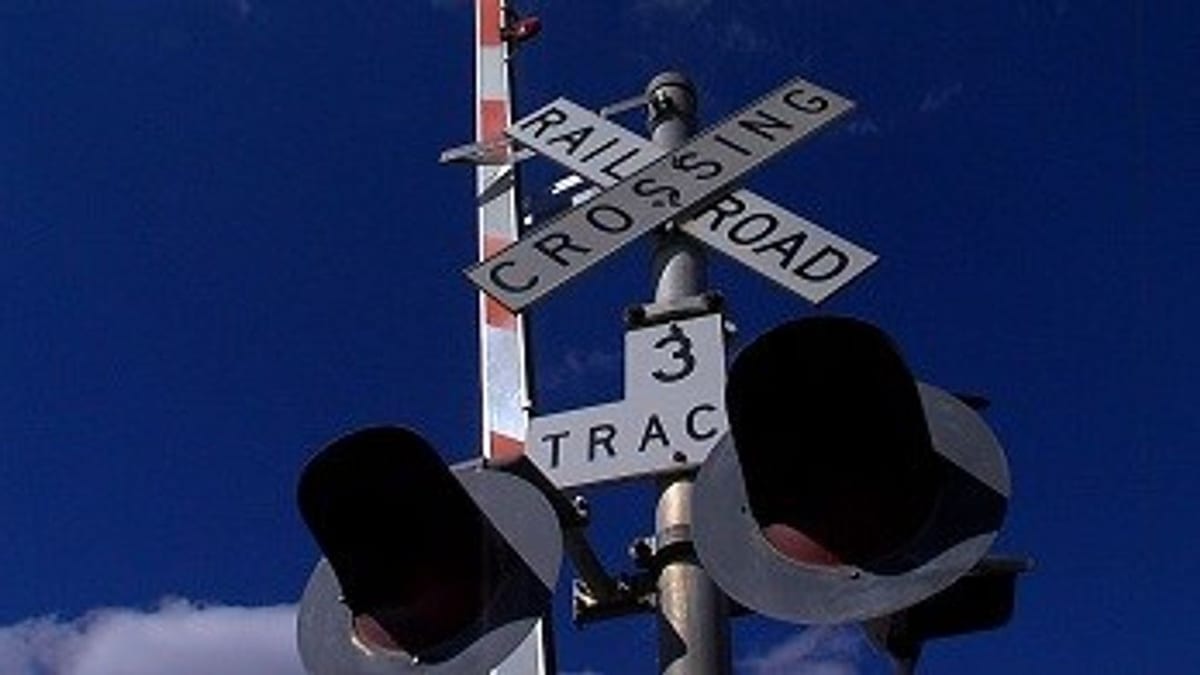
Collision near downtown rail corridor
Initial coverage from local media indicates the collision happened in the early morning hours as an Amtrak passenger train approached the Kalamazoo station on its route from Chicago. The impact occurred along the busy rail corridor that cuts through the city’s core, an area where trains enter at higher speeds before slowing for the platform.
Reports describe the victim as an adult man who was on a bicycle close to the tracks when he was struck. Early information suggests the train was operating on its normal schedule and continued to a stop after the collision, with no injuries reported among passengers or crew.
Law enforcement and emergency responders were called to the scene and rail traffic was temporarily disrupted while the area was secured and initial documentation of the crash took place. By midmorning, regular train operations through Kalamazoo had largely resumed, although some residual delays were reported.
Publicly available information does not yet clarify the precise circumstances that brought the bicyclist into the path of the oncoming train, including whether the collision occurred at a designated crossing, along the right of way, or in an area marked with warning signs and barriers.
Ongoing investigation and limited early details
As of June 23, 2026, only limited details about the crash have been made public. Coverage by regional outlets states that investigators are working to piece together the sequence of events, reviewing factors such as train speed, visibility, and any available signal or crossing data.
Reports indicate that the man died at the scene. His identity has not been widely released pending notification of relatives, and no information has yet been shared in public reporting about his route or destination prior to the collision.
Investigators are expected to examine whether crossing gates, lights, or bells were present and functioning correctly in the area of the crash, as well as to seek any available video from the train or nearby properties. Witness accounts, where available, typically play a key role in clarifying whether the bicyclist attempted to cross in front of the train, became stranded on the tracks, or entered the rail area inadvertently.
Publicly available information also notes that Amtrak trains traveling between Chicago and Michigan communities, including Kalamazoo, often carry bicycles as part of their onboard service, underscoring the close relationship between rail travel and cycling in the region even as this crash highlights the risks at rail crossings.
Rail safety context in Kalamazoo
Kalamazoo is a significant stop on Amtrak’s Michigan services, with passenger trains passing directly through downtown multiple times a day. The tracks run close to streets, sidewalks, and bike routes, creating locations where people walking or riding bicycles may be in relatively close proximity to fast-moving trains.
Michigan hazard analyses and transportation planning documents have long identified rail corridors as locations where conflicts can occur between trains and people using nearby streets and paths. These assessments typically highlight the importance of visible warning systems, physical barriers, and education for residents about staying clear of the tracks except at clearly marked crossings.
In and around Kalamazoo, cycling has grown more prominent over the past decade, helped by regional trails and organized events that encourage riding for both recreation and commuting. That growth has brought additional focus to how cyclists interact with road and rail infrastructure, including at intersections where multiple transportation modes converge.
Previous analyses of bicycle crashes in Kalamazoo County have noted that serious incidents, while relatively infrequent compared with the overall number of trips, can have devastating consequences when they occur near high-speed traffic or in complex environments that require riders to process multiple hazards at once.
Renewed attention on cyclist and rail crossing safety
The latest fatal crash is contributing to renewed public discussion about the safety of people on bicycles around railroad tracks in Michigan. Advocates and transportation observers often emphasize that trains, due to their size and stopping distance, cannot swerve or brake quickly to avoid sudden obstacles on the tracks, leaving people at ground level with little margin for error.
Safety campaigns directed at cyclists and pedestrians commonly stress a few core practices near rail lines, such as never attempting to cross when lights are flashing or gates are lowering, avoiding stopping on the tracks, and crossing at close to a right angle to prevent wheels from slipping into the gaps alongside the rails. For people unfamiliar with rail operations, the speed and quietness of approaching trains can sometimes be underestimated, particularly in urban areas where ambient noise is high.
Observers also point to the value of infrastructure upgrades in locations where cyclists and trains are frequently in proximity. These can include clearer pavement markings, separated pathways that guide riders away from the most hazardous approaches, and improved sightlines between intersections and tracks.
In the wake of the Kalamazoo collision, public attention is likely to focus on whether further engineering changes or public-awareness efforts are warranted along the city’s downtown rail corridor, with the goal of reducing the likelihood of future tragedies involving cyclists and passenger trains.
Community response and broader transportation questions
Kalamazoo has a history of confronting serious road and cycling incidents, and community conversations following past crashes have often led to calls for stronger protections for vulnerable road users. While details about this most recent death remain limited, the event is already contributing to broader questions about how the region balances growing interest in active transportation with the realities of operating a busy rail line through the city center.
Cycling organizations and local advocates have in the past highlighted the need for consistent design standards at crossings, better integration between bicycle routes and rail infrastructure, and continued education for both residents and visitors about how to navigate these environments safely.
Transportation planners in Michigan have increasingly framed safety around a “safe systems” approach in which responsibility is shared among roadway and rail designers, operators, and users. Under that framework, the aim is to accept that people sometimes make mistakes and to build streets and crossings in ways that reduce the chance that those mistakes lead to fatal outcomes.
As more information emerges about the bicyclist’s death near the Kalamazoo rail line, the incident is likely to feed into ongoing discussions about how to make multimodal travel safer in communities where people, bicycles, cars, and passenger trains all move within the same constrained urban space.