


The Appalachian Trail inspires big dreams. Every spring, thousands of hopeful hikers quit jobs, say goodbye to families, and point themselves toward Springer Mountain or Katahdin. Yet a huge number of thru-hike attempts end in the first few weeks, and many of those failures can be traced to decisions made long before anyone takes a single step on the Trail. Understanding the most common pre-trail mistakes can mean the difference between going home frustrated from Neels Gap and touching that final summit sign months later.
Get the latest updates straight to your inbox!
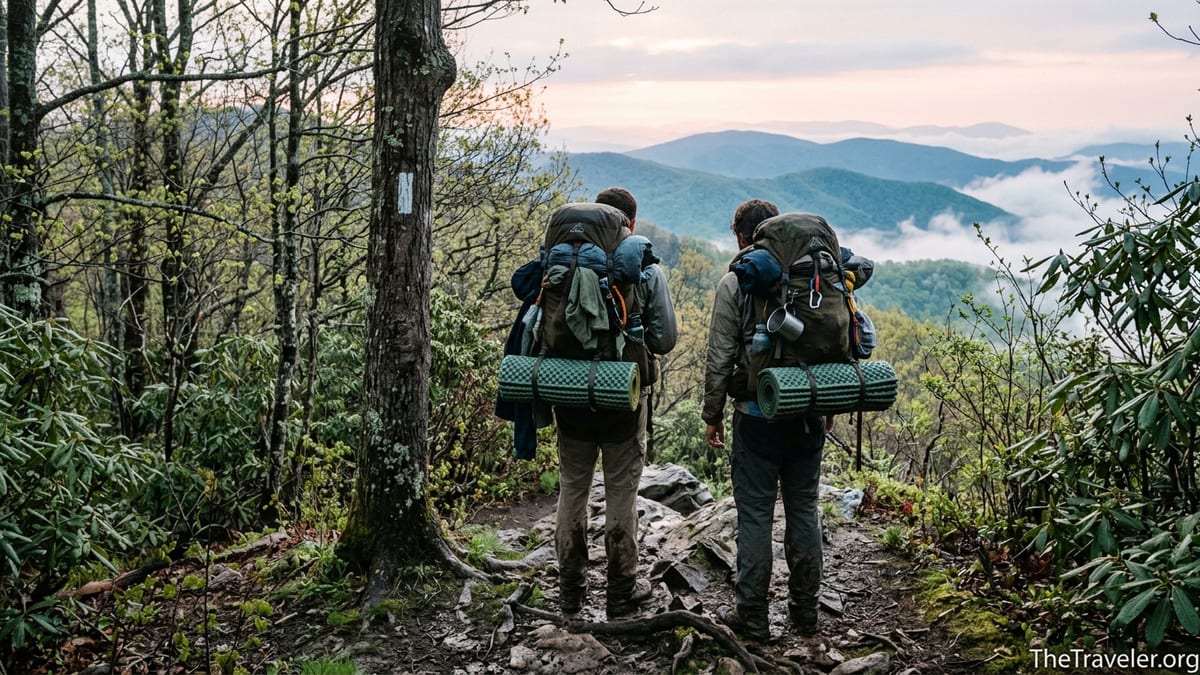
Overestimating Fitness and Undertraining for Real Trail Conditions
One of the biggest pre-trail mistakes is assuming that general fitness will translate directly to Appalachian Trail fitness. It is common to hear first-time hikers say they run 5Ks, do CrossFit, or hike local park loops on weekends, and assume that means they are ready for 10 to 15 mile days with a loaded pack in the Smokies. The Appalachian Trail is relentlessly steep, rocky, and rooty, especially through Georgia, North Carolina, southern Maine, and the White Mountains of New Hampshire. Stair machines and road runs help, but they do not prepare ankles for side-sloping roots, knees for long downhills, or hips for a 25 to 30 pound pack.
A real-world example plays out every spring at Neels Gap in Georgia, the first major gear and support stop about 30 miles north of Springer Mountain. Outfitters there routinely see first-timers limping in with swollen knees and raw blisters after only three or four days. Many of these hikers came from flat cities like Orlando or Houston and had trained mainly on treadmills. They discover too late that they should have spent their last three months hiking local state park trails with a loaded backpack, gradually increasing distance and elevation.
A more effective approach is to treat the months before your start date like a structured training plan. If you live near hills, choose a 5 to 8 mile loop and hike it at least once a week with the pack weight you expect on trail, including water and food. If you live somewhere flat, look for stadium stairs, parking garages, or overpasses and climb them repeatedly with your pack. Add a few overnight “shakedown” trips using all of your gear, even if it is just in a nearby national forest or a local backcountry campsite. These weekends reveal issues with footwear, pack fit, and stamina that will be far more painful to discover on Blood Mountain or in the 100 Mile Wilderness.
Finally, hikers often forget that thru-hiking is as much about resilience as raw fitness. Sitting at a desk for eight hours a day does not prepare you for 10 hours of walking, day after day. Doing a couple of back-to-back long days with your full pack before you go will show you how your body reacts to cumulative fatigue and help you adjust expectations before you hit that first white blaze.
Starting With the Wrong Gear and Way Too Much of It
Another classic mistake happens in the gear aisle long before day one. New hikers often show up at the approach trail with 45 to 55 pound packs, overstuffed with duplicate clothing, bulky sleeping bags, cast iron pans, large multi-tools, and full-size toiletries. Outfitters along the Appalachian Trail, from Mountain Crossings at Neels Gap in Georgia to Outdoor 76 in Franklin, North Carolina, are famous for “gear shakedowns” where they help hikers shed 5 to 15 pounds by mailing home unnecessary items. Many of those packages contain things that were never used even once.
Weight mistakes are often tied to buying gear too quickly or based solely on big-box store deals. A beginner might grab a 6 pound synthetic sleeping bag, a 5 pound tent, and a 70 liter backpack from a warehouse store because the bundle costs under 300 dollars, then add a heavy stove and metal cookset. Compare that to a more dialed setup: a 2.5 to 3 pound down quilt or sleeping bag rated around 20 degrees Fahrenheit, a 2 to 3 pound freestanding or trekking pole tent from brands like Big Agnes, Nemo, or REI, and a 2.5 to 3 pound 60 liter pack from Osprey, Gossamer Gear, or Gregory. The difference can easily be 8 to 10 pounds before food and water.
Not testing gear together is just as problematic. A first-timer might own a quality sleeping pad, but discover on night one at Springer Mountain Shelter that it slides around inside the tent and leaves hips on the ground. Another hiker realizes in a cold March rain near Gooch Gap that their bargain rain jacket wets out in an hour. These problems are the result of skipping backyard setup nights and short overnights where leaks, drafts, and chafing points could have been found and fixed months earlier.
The sweet spot for most first-time thru-hikers in 2026 is a base weight roughly in the 15 to 22 pound range, excluding food and water. That typically includes a 50 to 65 liter pack, a three-season tent capable of handling high wind and surprise snow at higher elevations, a sleeping system rated into the low 20s Fahrenheit, and a simple stove like a pocket canister burner. Packing two full changes of hiking clothes plus camp clothes, multiple books, or full-size shampoo usually pushes weight into the misery zone before you ever leave the parking lot at Amicalola Falls or Baxter State Park.
Ignoring Season, Direction, and Weather Windows
Dreaming up a start date without looking seriously at weather patterns is another mistake that happens entirely before the first step. Northbound hikers often fixate on symbolic dates like March 1 or the first day of spring, without considering that the Smokies can still see snow, ice, and nighttime lows in the teens through April. Southbound hikers sometimes push for a May start at Katahdin to “get a head start,” ignoring that Baxter State Park typically restricts access to Katahdin until the trail is largely free of ice and snow, and that the Appalachian Trail Conservancy generally advises against beginning a southbound thru-hike before June 1 because of dangerous conditions in Maine.
Real examples show how costly this can be. In recent years, early March northbounders have been hit by multi-day cold storms across the southern Appalachians, creating icy conditions between Clingmans Dome and Newfound Gap. Hikers starting in shorts and lightweight 40 degree bags have ended up huddled in shelters in all their clothing, struggling to sleep and burning through fuel just to cook warm meals. At the other end of the trail, southbounders leaving Baxter too early have found swollen stream crossings and lingering monorails of snow in the 100 Mile Wilderness, forcing some to turn back within days.
The smarter approach is to choose a start date built around your personal tolerance for cold and your willingness to carry heavier insulation. If you plan to start northbound from Springer Mountain in late February or early March, you will want a true 10 to 20 degree sleeping bag or quilt, warm puffy jacket, insulated gloves, and probably microspikes for icy sections, at least until you are past the Smokies. If you would rather carry lighter gear, aim for a mid to late April start and accept more heat and humidity later in Virginia and Pennsylvania. Southbound hikers should realistically look at a mid June to early July start and be prepared for bugs, wet trail, and long daylight hours in Maine, followed by potentially cold late season miles in the Smokies and southern balds.
Watching historical weather data for key spots along the route, such as Fontana Dam, Damascus, and Hanover, can help you visualize what you are likely to encounter. Also remember that trail towns run on seasonal rhythms. Shuttle drivers, hostels, and outfitters in places like Hot Springs, Damascus, and Gorham expect the northbound bubble at certain times. Starting very early or very late can mean limited services and fewer other hikers, which might be positive or negative depending on your goals.
Planning Every Day on a Spreadsheet or Not Planning at All
Pre-trail planning often swings to extremes: some hikers build a day-by-day spreadsheet from Georgia to Maine with exact mileages and resupply stops, while others decide to “wing it” completely and show up with no idea where the first grocery store is. Both approaches can create avoidable problems before the first day is done. Over-planners feel crushed when they fall behind their ambitious schedule in the first week, and under-planners waste money and energy hitchhiking long distances for basic supplies.
A common over-planning example is the first-timer who prints out a full six month itinerary with daily mileages ending neatly at shelters or hostels. On day three in Georgia, they discover that steep climbs, heat, or early blisters knock them down to 7 or 8 miles instead of the planned 12 to 15. By Neels Gap, they are two days behind the imaginary schedule and feeling like they are already failing the hike. This mental weight can be just as heavy as any gear in the pack.
On the other hand, hikers who show up with almost no plan may step off at the Amicalola Falls approach trail carrying five days of food but no idea that there is an outfitter and small resupply at Neels Gap, then a larger grocery option reachable from Hiawassee. They might spend 60 dollars on last minute gas station groceries near the Atlanta airport that could have been bought cheaper and fresher at an Ingles or Food Lion in a trail town. Some arrive at Baxter State Park without reservations or awareness of current permit procedures, only to discover that campsites and lean-tos around Katahdin book out early in the traditional summer window.
A balanced strategy is to plan in chunks. Before you leave home, study guidebooks and apps such as FarOut to understand the first 100 to 150 miles of your route: where shelters and tent sites are, which towns have full grocery stores, what hostels exist, and how far shuttles typically cost. Give yourself a rough idea of where you might want to stop, but treat it as a sketch, not a contract. After the first week on trail, adjust the next stretch based on your actual pace and preferences. This approach avoids the rigidity of a full-thru spreadsheet but keeps you from expensive last-minute scrambles.
Misunderstanding Budget, Time Commitment, and Off-Trail Costs
Another major pre-day-one mistake is underestimating the financial and time commitment of an Appalachian Trail thru-hike. Articles, outfitters, and recent hikers commonly estimate total on-trail costs for a traditional 5 to 7 month hike in the range of roughly 5,000 to 7,000 dollars in 2025 and 2026, not including gear purchased beforehand. That figure usually covers food, hostels, the occasional motel, restaurant splurges in towns, laundromats, replacement shoes, and shuttles. Budget hikers can spend less, especially if they camp most nights and avoid restaurants, but even frugal hikers report monthly food costs in the 450 to 700 dollar range once they factor in trail food plus occasional dining out.
Many first-timers focus solely on the cost of new gear, perhaps spending 1,500 to 2,500 dollars upgrading packs, tents, and sleep systems, and then arrive on trail with only a vague idea of what daily life will cost. A typical example: a hiker budgets 3,000 dollars for the entire hike, reaches Franklin, North Carolina after two weeks, and realizes they have already spent 500 dollars on a combination of pizza, hostel beds, shuttles, and gear tweaks. They either begin skipping town stops altogether and resenting every expense or they run out of money in Virginia, long before the Whites or Maine.
Time is the other half of this equation. A traditional northbound hike from Springer to Katahdin usually takes between 5 and 7 months, with a common pattern of starting in March or April and finishing in August or September. New hikers sometimes assume they will hike faster than average and schedule jobs or apartment leases based on an optimistic five month finish. If injuries, zero days, or slower terrain stretch their hike toward six or seven months, they end up racing the calendar or leaving the trail unfinished near Hanover or Gorham when life obligations call them home.
Before day one, it is crucial to build a realistic budget and timeline that includes a financial cushion for the unexpected. Assume you will need at least two or three pairs of trail runners or boots, which might cost between 120 and 180 dollars each for common models from brands like Altra, HOKA, or Salomon. Factor in replacement socks, broken trekking poles, and a lost or damaged water filter. Give yourself wiggle room for an unplanned motel during a multi-day storm in Virginia or a slow, rainy week in the Whites when your mileage dips. It is far easier to return home with money left over than to scramble for a rescue wire transfer from a shelter in Pennsylvania.
Relying on Mail Drops, Outdated Info, or Social Media Myths
First-time Appalachian Trail hikers often overcomplicate logistics before they ever set foot on dirt. One common error is setting up a rigid system of food mail drops for the entire trail, based on old blog posts or outdated advice. While some sections still benefit from a few strategically placed resupply boxes, the trail today passes or connects to many towns with full supermarkets, dollar stores, and outfitters, especially through Georgia, North Carolina, Virginia, and much of New England. By pre-packing dozens of boxes at home, you lock yourself into a menu and schedule that may not match your appetite, pace, or local reality months later.
For example, some beginners in recent years have mailed dozens of flat-rate boxes of dehydrated dinners to post offices along the route, only to discover that they now crave fresh tortillas, cheese, and chocolate instead of the carefully portioned rice-and-bean mixes they packed in January. Others have been delayed by injury or illness, arriving in towns after their boxes were returned or finding post offices closed for long weekends. They end up paying to forward or replace food they never wanted in the first place, while hiker boxes at hostels overflow with unwanted meals and gear.
Another pre-trail trap is trusting viral social media advice without cross-checking against up-to-date, official sources. Short videos might suggest that navigation apps make maps obsolete, that bear hangs are optional, or that everyone is hitching long distances into certain towns for “the famous burger.” Conditions change quickly. A beloved hostel in Virginia might close between seasons, a popular restaurant in Damascus could change hours, or a shuttle driver around the Smokies might retire. Starting your hike based on a two-year-old vlog can leave you standing at a road crossing with no ride and nowhere obvious to sleep.
A better pre-day-one strategy is hybrid: identify a handful of challenging stretches where a mail drop still makes sense, such as some remote points in Maine or a few limited-resupply gaps in the mid-Atlantic, then plan to buy the rest of your food in trail towns. Use current year comments in guide apps, recent posts from regional hiking organizations, and official updates from land managers to confirm which hostels are open, what campground reservations are required, and whether any sections are closed or rerouted. This approach keeps you flexible while avoiding the stress and expense of a rigid mail-drop chain stretching from Georgia to Maine.
Skipping Mental Preparation and Over-Romanticizing the Experience
Many Appalachian Trail failures begin in the imagination. Before day one, it is easy to romanticize thru-hiking as a nonstop reel of sunrise views from McAfee Knob, cozy campfires at shelters, and triumphant photos on Katahdin. New hikers often fixate on those highlight moments and do not prepare themselves mentally for the long stretches of cold rain, monotony, chafing, homesickness, and doubt that fill most days in between. When those realities hit in the first week in Georgia or the first storms in the Smokies, they feel blindsided and interpret discomfort as personal failure rather than an expected part of the journey.
Real-world stories from recent hikers underscore this. Some leave the trail in the first 50 miles not because of catastrophic injury but because they feel lonely, miss their partners or kids more than expected, or simply find that walking in the rain for four days was not part of the dream. Others are surprised by how much they argue with a chosen hiking partner or how quickly a trail romance complicates logistics. These are human problems, not gear issues, yet they can end a hike just as effectively as a stress fracture.
Mental preparation can start months before departure. Spend time journaling about why you want to hike the Appalachian Trail and what success looks like for you personally. Maybe it is walking every white blaze, but maybe it is simply spending a full season living outside, even if that means skipping a short road-walk detour or taking a blue-blazed bad-weather route. Talk with family and close friends about communication expectations. Decide whether you will check in once a day, once a week, or only from towns, and what will happen if you miss a scheduled call because a section had no cell service.
It is equally important to rehearse your response to low points. Before you go, decide that you will not quit on a bad weather day or from inside a sleeping bag. Make a rule with yourself that if you feel like quitting, you will walk at least two more days in better weather or to the next major town before making a final decision. Understanding that tough stretches through green tunnels in Virginia or rainy days in Vermont are normal makes it easier to ride them out and appreciate the better days ahead.
Neglecting Permits, Regulations, and Trail Culture
Paperwork may feel far removed from the dream of a long walk, but ignoring permits and regulations is a mistake that starts at home. While you can hike large portions of the Appalachian Trail without advance permits, there are key sections that require specific reservations or fees, such as Great Smoky Mountains National Park and Shenandoah National Park. Regulations for overnight camping, parking at trailheads, and bear canister requirements also change over time. First-time hikers sometimes arrive at places like the Fontana Dam entrance to the Smokies without the required permit, assuming they can walk in and sort it out at a ranger station, only to face fines or forced changes to their plans.
Beyond legal rules, there is the unwritten culture of the trail. The Appalachian Trail has a strong ethic of Leave No Trace, courtesy at shelters, and respect for local communities. New hikers who skip learning about these norms beforehand might pack single-use plastic dishes they intend to burn, plan campfires at every campsite regardless of bans, or assume that shelters are first-come party spots. They may not realize that blasting music from a Bluetooth speaker at a shelter or stealth camping near a water source is considered poor form. These missteps can sour relationships with other hikers and with the local residents whose towns provide services all along the corridor.
Preparing before day one means reading up on current regulations for the areas you will traverse in your first month, checking for any bear activity advisories that might affect food storage methods, and familiarizing yourself with Leave No Trace principles. It also means understanding basic trail etiquette: yielding the trail to uphill hikers, keeping group sizes manageable at campsites, and being honest and respectful with hostel owners and shuttle drivers. Hikers who arrive at trail towns like Hot Springs, Damascus, and Waynesboro with a sense of gratitude and responsibility usually find that locals respond in kind, which can make your entire journey smoother.
Trail culture also includes safety boundaries. Deciding ahead of time how you will handle hitchhiking, accepting trail magic, or sharing personal information with strangers can prevent dangerous situations. While the Appalachian Trail community is generally welcoming, incidents do occur. Establishing common sense rules for yourself before you are tired, hungry, and tempted to ignore your instincts can help you stay safe from Georgia to Maine.
The Takeaway
The Appalachian Trail tests hikers long before they shoulder a pack at Springer Mountain or Katahdin. Many of the biggest mistakes happen months earlier, in gear shops, on social media, at kitchen tables covered in spreadsheets, and in daydreams that leave out the hard parts. Overestimating fitness, carrying far too much weight, ignoring seasonal realities, planning either too rigidly or not at all, underbudgeting, trusting outdated logistics, and skipping mental and cultural preparation all chip away at your chances of success.
The good news is that every one of these pitfalls is avoidable. Start by training your body for real hills with a loaded pack, not just gym workouts. Build a gear kit that prioritizes weight, durability, and tested comfort over gimmicks, and test that kit on shakedown hikes. Choose a start date and direction that match your tolerance for cold and crowds. Plan the first few hundred miles in detail, then leave room for the trail to reshape your plans. Budget conservatively, expect surprises, and keep your reasons for hiking close at hand for the inevitable low points.
Most important of all, remember that there is no single “right” way to hike the Appalachian Trail. The hikers who make it to Katahdin or Springer are rarely the ones who did everything perfectly before day one. They are the ones who prepared thoughtfully, stayed flexible, respected the trail and its communities, and kept putting one foot in front of the other, long after the novelty wore off. With smart preparation now, you give your future self the best possible chance of walking under that final summit sign with a full heart and a story worth telling.
FAQ
Q1. How early should I start training for an Appalachian Trail thru-hike?
Most first-time hikers benefit from at least three to six months of focused training before day one, including weekly hikes with a loaded pack and a few overnight shakedown trips.
Q2. What is a realistic budget for a first Appalachian Trail thru-hike?
Many recent hikers report spending roughly 5,000 to 7,000 dollars on trail for a traditional 5 to 7 month thru-hike, not counting gear purchased beforehand or bills at home.
Q3. How heavy should my pack be before adding food and water?
For most beginners, a base weight in the 15 to 22 pound range is a reasonable target, assuming a three-season setup with a quality tent, sleeping bag or quilt, and pad.
Q4. Do I need to plan my entire thru-hike schedule before I start?
No. It is more effective to plan your first 100 to 150 miles in detail, then adjust your schedule as you learn your natural pace and preferences on trail.
Q5. Are mail drops still necessary along the Appalachian Trail?
They can be useful in a few remote stretches or for dietary restrictions, but many hikers now rely mainly on buying food in trail towns and use only a handful of targeted mail drops.
Q6. When is the best time to start a northbound Appalachian Trail thru-hike?
Many northbound hikers start between early March and late April, choosing earlier dates if they can handle more cold and snow and later dates if they prefer milder conditions but more heat later.
Q7. Do I need previous backpacking experience before attempting a thru-hike?
Prior experience is not mandatory, but doing several overnight and weekend backpacking trips with your full kit will dramatically increase your comfort and chances of success.
Q8. How many pairs of shoes should I expect to go through?
Most hikers who wear trail runners replace them every 400 to 600 miles, which usually means two to four pairs for a full thru-hike, depending on brand, foot shape, and terrain.
Q9. What permits do I need to think about before day one?
You should research current requirements for sections like Great Smoky Mountains and Shenandoah National Parks, as well as any camping or parking regulations near your chosen starting point.
Q10. What is the most important mental preparation I can do before starting?
Clarify your personal reasons for hiking, set realistic expectations about discomfort and bad weather, and decide in advance that you will not quit on your worst day or during a storm.