

More news on this day
Blue Flag Capital is backing a new wave of highly designed boutique hotels across the United States, with four distinctive openings and redevelopments set to refresh coastal escapes and resort towns over the next two years.
Get the latest news straight to your inbox!
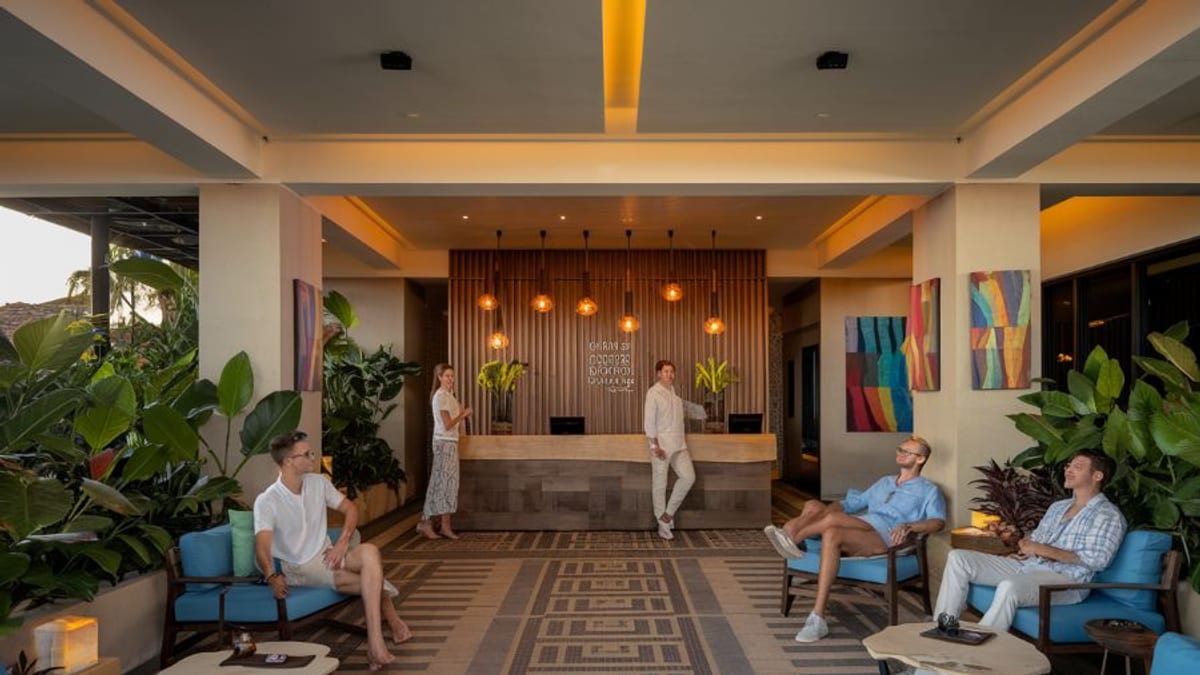
Image by International Hotels News, Hotel Industry & Hospitality News
Boston Firm Scales Up Its Boutique Hotel Ambitions
Publicly available information shows that Boston based Blue Flag Capital, through affiliated development platforms such as Blue Flag Partners, has steadily evolved from residential projects into a focused hospitality investor with an emphasis on design rich boutique properties in leisure markets. Coverage in business and travel publications indicates that the firm has concentrated much of its early portfolio in New England resort destinations, particularly on Nantucket and Martha’s Vineyard, before branching to other coastal enclaves.
Reports on the firm’s strategy describe an approach that pairs tight urban footprints and legacy resort parcels with strong storytelling, layered interiors and food and beverage concepts that feel local rather than corporate. By leaning into architecture, narrative and neighborhood context, the group has positioned its hotels to compete less on room count and more on atmosphere and sense of place.
The latest slate of four U.S. properties builds directly on that formula. Each project adapts or reimagines an existing site, but the investment thesis is similar throughout: take underperforming or underdesigned real estate in proven leisure destinations and turn it into design led escapes that can command higher nightly rates from style conscious travelers.
Industry coverage suggests that this design heavy strategy also aligns with broader shifts in U.S. leisure travel, where guests increasingly split their calendars between familiar resort towns and shorter, high impact weekend stays driven by aesthetics, culinary offerings and social media friendly spaces.
Nantucket Makeover: From Classic Beach Motel To Design Destination
One of the clearest examples of Blue Flag’s design focus is on Nantucket, where the firm has taken control of midcentury era hotel parcels close to the harbor and beaches. Project descriptions for The Beachside, a 94 room property in the island’s Brant Point neighborhood, outline a comprehensive reinvention that keeps the low slung campus format while overhauling nearly every visual and guest facing element.
Construction and design summaries indicate that the 1960s hotel has undergone a full interior renovation across its three main buildings, with refreshed guest rooms, updated public spaces and extensive landscaping improvements across more than three acres of grounds. While key counts and building footprints remain relatively similar, the look and feel is shifting decisively toward contemporary coastal, with lighter palettes, custom millwork and expanded outdoor lounging areas around the pool.
Nantucket’s compressed summer season means that any design update must deliver instant curb appeal and operational efficiency. Industry analysts note that by investing in a cohesive visual identity, from signage and exterior paint to room decor and amenity programming, Blue Flag is positioning the property to stand out in an increasingly competitive market of short term rentals and refurbished inns that crowd the island’s booking platforms each year.
The Beachside project also demonstrates how design can be used to knit together what was once perceived as a simple roadside style motel into something closer to a resort campus, with circulation paths, plantings and lighting treated as carefully as guest rooms and the lobby.
Faraway Concept Extends Design Narrative Across Coastal Towns
Alongside one off redevelopments, Blue Flag has been building out its Faraway brand, a narrative driven collection of hotels that first took shape on Nantucket. Published coverage of the original Faraway property describes a cluster of restored historic homes arranged around courtyards and gardens, with interiors that blend vintage New England references and global travel motifs, positioning the hotel as an atmospheric alternative to traditional inns.
According to brand materials and hospitality reporting, the Faraway concept has since extended to other coastal communities, with each iteration tailored to local building stock and culture. While the specific design language shifts between islands and mainland towns, the through line remains a focus on social spaces, from courtyard bars to intimate lounges, that encourage guests to linger rather than treat the hotel simply as a place to sleep.
Design teams working on these projects have leaned heavily on layered textures, bold color blocking and a mix of custom and collected furnishings, moving away from the all white minimalism that defined an earlier era of beach hotels. The result, as described in travel features, is a portfolio that photographs well but also feels lived in, with deliberate use of patina, patterned textiles and eclectic art.
By scaling the Faraway identity across multiple properties while allowing for site specific adjustments, Blue Flag appears to be pursuing a middle path between independent one offs and fully standardized brands, an approach that has become increasingly common among boutique hotel investors seeking both recognition and flexibility.
New England To Florida: Design Forward Expansion Of Sunbelt Escapes
Blue Flag’s push into warmer climates reflects the broader migration of U.S. travelers toward year round sunshine destinations. Publicly available information points to an expanding footprint in Florida and the Southeast, where older oceanfront hotels and roadside motor inns provide ripe targets for repositioning into higher end, design focused retreats.
In markets such as Palm Beach and along parts of the Atlantic coast, real estate records and local business reporting highlight a pattern of acquisitions in locations with existing name recognition but aging physical plants. Rather than pursuing ground up towers, the firm and its operating partners are emphasizing adaptive reuse and thoughtful renovation, often keeping the basic bones of a structure while revising the interior layouts, finishes and amenity mix to appeal to contemporary travelers.
Industry observers note that this strategy can significantly shorten development timelines compared with full new builds, while still delivering a dramatic design shift. By preserving structural elements and some original character, these hotels can tap into local nostalgia even as they introduce new design schemes, restaurants and wellness offerings aimed at younger or more design conscious guests.
The move south also gives Blue Flag and its affiliates a seasonal hedge, balancing New England properties that peak in high summer with Sunbelt escapes that see steadier demand across winter and shoulder months, a pattern that can support continued investment in design upgrades across the portfolio.
Design As Differentiator In A Crowded U.S. Getaway Market
The four latest Blue Flag backed hotels exemplify how design is being deployed as a primary differentiator in the U.S. getaway landscape. With traditional loyalty driven business travel still not fully recovered in some markets, analysts say that leisure oriented, emotionally resonant stays are increasingly central to hotel performance, especially in smaller properties.
Reports from hotel consultants and design journals emphasize that guests are seeking more than a generic room, instead prioritizing atmosphere, local connection and distinctive aesthetics. By commissioning detailed interior programs, investing in landscape architecture and aligning food and beverage partners with each property’s story, Blue Flag is positioning its hotels squarely in that experience led category.
At the same time, the firm’s approach illustrates how design forward investments can ripple out beyond property lines. Revitalized hotels often anchor nearby retail and dining, spur additional facade improvements and influence the broader visual identity of resort districts, a pattern visible in Nantucket and other small scale destinations where Blue Flag is active.
As these four projects come online and ramp up operations, their performance will provide a high profile test of whether intensive, narrative driven design can continue to command pricing power in an increasingly crowded field of boutique and lifestyle offerings across the United States.