


More news on this day
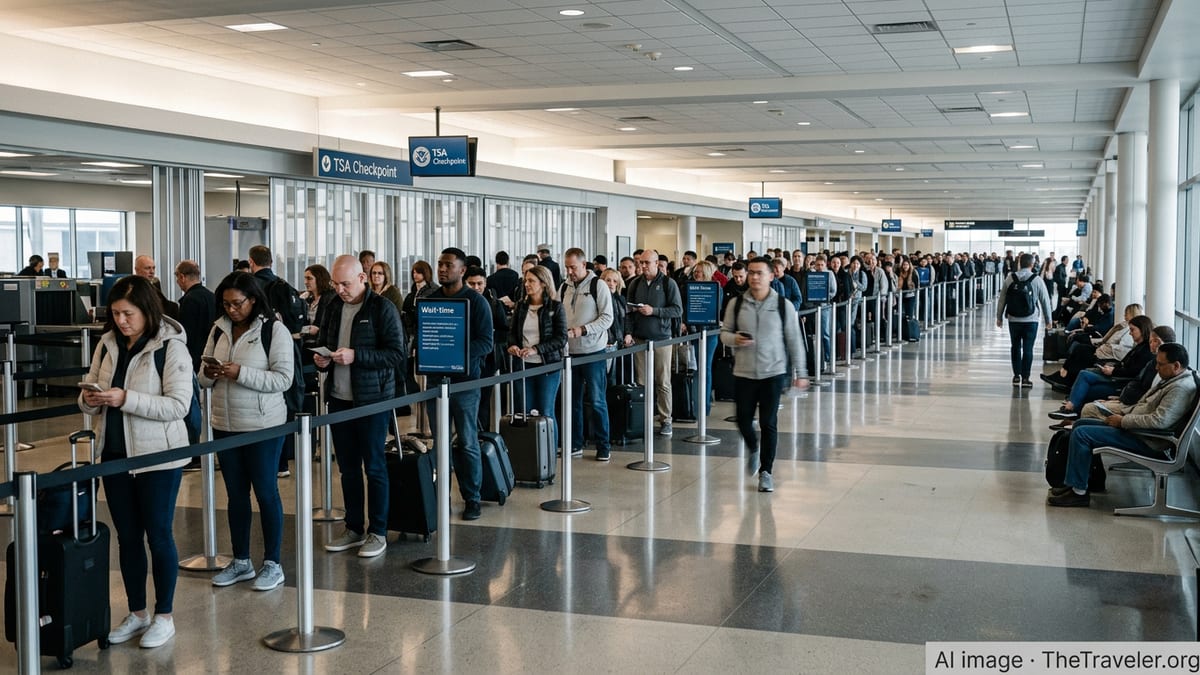
Boston Logan International Airport has recorded 405 flight delays and 14 cancellations in a fresh wave of operational disruption affecting major US and Canadian airlines and sending knock-on effects across key routes in North America, Europe and West Asia, according to publicly available flight tracking data and industry reports.
Get the latest news straight to your inbox!
Major Carriers Shoulder the Brunt of Boston Slowdown
The latest disruption at Boston Logan centers on some of the airport’s most prominent operators, including JetBlue, Delta Air Lines, American Airlines, United Airlines, Southwest Airlines and Air Canada. Data compiled from flight tracking dashboards and recent operational summaries points to these carriers accounting for a significant share of the 405 delays and 14 cancellations, reflecting the airport’s role as a competitive hub for transcontinental and transatlantic traffic.
Recent reporting on similar disruption patterns at Boston Logan has highlighted JetBlue and Delta as frequent leaders in delay counts, with American, United and Southwest also experiencing schedule pressures during busy travel days. Air Canada’s cross-border services into Boston tie the airport directly into the Canadian network, meaning even a small number of cancellations or rolling delays can reverberate quickly through Toronto, Montreal and other major Canadian gateways.
While the total of 14 cancellations is modest compared with severe weather or large-scale system outages, the volume of delayed departures and arrivals has an outsized impact on passenger experience. Travelers typically face missed connections, extended waits at departure gates and last-minute gate changes, particularly when high-frequency shuttle routes and evening transatlantic departures are affected.
Publicly available operational snapshots show that as aircraft and crews fall out of position, schedule recovery can take several rotations, extending disruption into subsequent days even after conditions begin to improve at the origin airport.
Disruption Spreads Across the United States and Canada
The disruption originating at Boston Logan is not confined to New England. High-density domestic routes linking Boston with New York, Washington, Chicago, Atlanta, Dallas, Denver, Los Angeles and other major US hubs have seen knock-on delays, reflecting how a single congested airport can act as a pressure point across multiple networks.
Industry coverage of recent events at Logan notes that ripple effects have reached airports such as Chicago O’Hare, Dallas Fort Worth, Seattle Tacoma, Denver and Fort Lauderdale as delayed Boston departures arrive late and turnarounds stretch longer than scheduled. When short-haul aircraft arrive behind schedule, subsequent flights can depart late even if weather and local conditions at the next airport are otherwise normal.
In Canada, the impact is most visible at primary gateways including Toronto Pearson and Montreal Trudeau, which handle a high share of Air Canada and United partner services to and from Boston. Delays on these cross-border legs can lead to missed onward connections to Western Canada and Atlantic Canada, especially during afternoon and evening peaks.
The pattern underlines the role of Logan as both a destination and a crucial spoke in wider North American networks. A delay originating on a Boston to Toronto or Boston to Chicago flight, for instance, can ultimately affect passengers continuing to Vancouver, Calgary or smaller US regional airports later in the day.
Transatlantic Routes to the UK and Europe Under Strain
Beyond North America, the latest disruption has affected links from Boston to the United Kingdom, Germany, Switzerland, Spain and Italy, according to recent operational tallies and route-specific breakdowns. Services to London area airports remain among the most strategically important for both US and European carriers, meaning any interruption to Boston’s departure flow is quickly felt across the Atlantic.
Published route analyses show recent days where Boston flights to London, Amsterdam, Rome, Zurich and other European cities have registered clusters of delays and a handful of cancellations. Even when the total number of affected flights is limited, the long-haul nature of these routes magnifies the consequences, as passengers often rely on tight morning or midday connections onward into continental Europe.
Germany and Switzerland are particularly exposed where Boston flights feed large hubs such as Frankfurt, Munich and Zurich. Schedule changes from Boston can result in missed banks of intra-European departures, leaving travelers facing extended layovers or overnight stays. Similarly, delayed departures to Spain and Italy can interfere with peak holiday traffic to Barcelona, Madrid, Rome and Milan during the busy summer travel season.
Airlines have some flexibility to mitigate these issues through rebooking on partner carriers and rerouting via alternative hubs, but capacity constraints and high seasonal demand limit the availability of spare seats on short notice.
West Asia Links and Global Connectivity Affected
The disruption pattern also reaches into West Asia, where Boston’s long-haul services connect to major hubs in the Eastern Mediterranean and Gulf region. Publicly available route data and prior disruption reports indicate that flights linking Boston with cities such as Tel Aviv and onward connections via large Gulf and Turkish hubs can experience cascading effects when departure slots from Logan are delayed.
When aircraft depart Boston late on these long sectors, the knock-on effect can push arrivals outside optimal connection windows at onward hubs, leaving travelers to be rebooked on later flights across West Asia, South Asia and parts of Africa. This creates a secondary wave of disruption well beyond the original North American departure point.
Recent multi-airport disruption analyses have underscored how a relatively concentrated issue at a single US gateway can contribute to wider global schedule instability. Boston’s role in transatlantic and Eastbound long-haul networks means that even a limited number of delayed or canceled flights can be felt across several time zones, particularly where evening departures from the United States interface with tightly banked overnight operations in Europe and West Asia.
For travelers, this translates into uncertainty not only about the initial Boston departure, but also about journeys continuing onward to destinations in the Middle East, the Caucasus and parts of Central and South Asia that rely on timed connections.
What the Latest Numbers Mean for Summer Travelers
The figure of 405 delays and 14 cancellations at Boston Logan, while smaller than some previous weather-related ground stops recorded earlier in the year, is emblematic of the fragile balance in today’s commercial aviation system. Airlines are operating close to capacity on many days, leaving limited margin to absorb even moderate operational disruption before delays compound across the network.
Recent coverage of Boston’s performance shows that the airport has experienced several clusters of disruption in 2026 alone, ranging from winter weather and snow events to busier-than-expected holiday and early summer travel weekends. Each episode has followed a similar pattern in which regional carriers and large network airlines face simultaneous pressures, producing a mix of short-haul and long-haul delays, along with a smaller number of outright cancellations.
For passengers planning trips through Boston during the peak travel period, the latest disruption underscores the value of building extra time into itineraries when making same-day connections, particularly to long-haul flights bound for Europe or West Asia. Travel advisories regularly recommend monitoring airline apps and airport departure boards, opting for earlier departures where possible and considering alternative routings through other hubs when tight connections cannot be avoided.
As airlines and airports continue to refine staffing levels, aircraft utilization and turnaround times, observers note that even modest operational shocks can continue to produce outsized travel headaches at heavily used hubs such as Boston Logan, especially when multiple major carriers are affected simultaneously.