


More news on this day
Hawaii’s Big Island is facing a rare hurricane threat as Tropical Storm Lala gathers strength in the Central Pacific, prompting a hurricane watch and raising the prospect of severe weather and fresh travel disruption across one of the world’s most popular island destinations.
Get the latest news straight to your inbox!
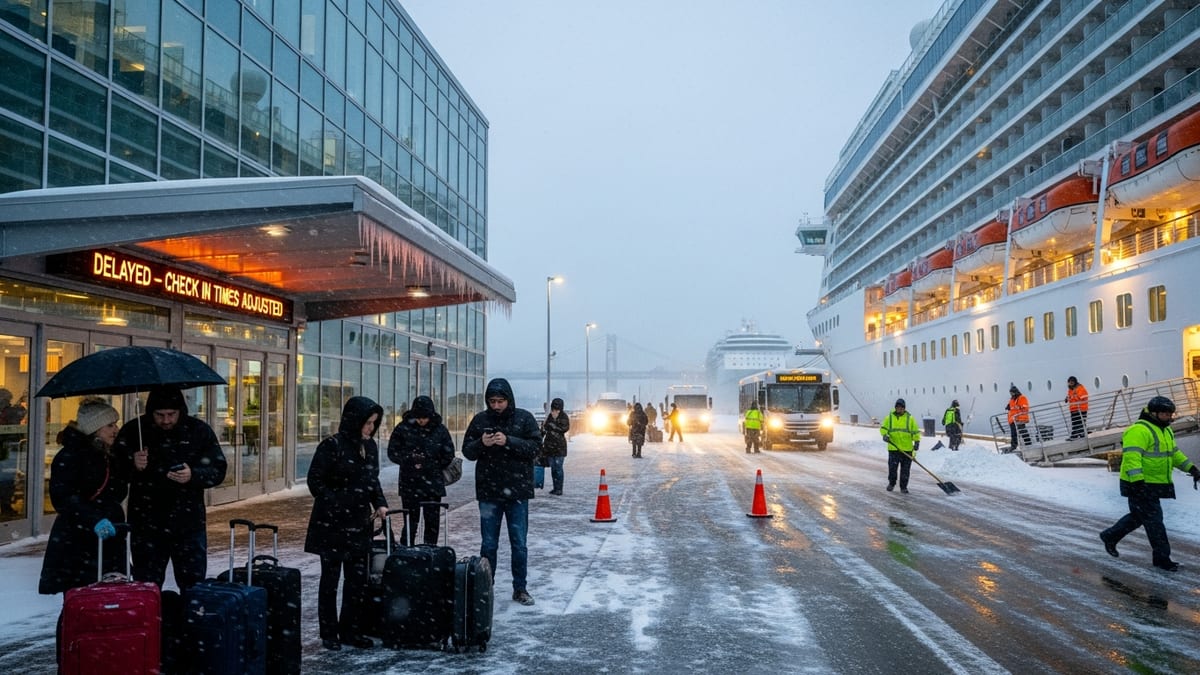
Strengthening Storm Targets the Central Pacific
Publicly available bulletins from the Central Pacific Hurricane Center indicate that Lala formed on Thursday as a tropical storm far to the east southeast of Hawaii, with maximum sustained winds around 40 miles per hour and a westward motion toward the islands. Forecast guidance points to a period of steady intensification over warm Central Pacific waters, with Lala expected to be near or at hurricane strength as it approaches the Big Island this weekend.
Current projections show the center of the storm tracking near or just south of Hawaii’s largest island. Even a close pass rather than a direct landfall could bring periods of torrential rain, coastal surf and strong, gusty winds to communities from Hilo and Puna to Kona and the Kohala Coast. Forecasters note that the most intense winds and heaviest rainfall are likely to occur north of the storm’s center, a configuration that places the Big Island squarely in the zone of concern.
Central Pacific cyclones of this kind remain relatively uncommon, and the reappearance of the name Lala is itself notable, having only been used once before in the 1980s. That earlier storm passed south of Hawaii with limited impact, but early modeling this week highlighted the potential for a stronger system in 2026 with a closer approach to land, sharpening focus on how vulnerable the islands remain to tropical weather.
Hurricane Watch Triggers Preemptive Travel Disruptions
The issuance of a hurricane watch for Hawaii County has quickly rippled into the travel sector. Airline advisories and local news reports indicate that carriers serving Hilo and Kona are preparing for schedule disruptions, with the possibility of preemptive cancellations or consolidations of flights in the 24 to 48 hours surrounding Lala’s closest approach.
Airlines commonly activate flexible rebooking policies when tropical systems threaten the islands, allowing ticketed passengers to shift travel dates without change fees. Industry observers expect similar measures for routes linking Honolulu, Hilo and Kona with major mainland gateways such as Los Angeles, San Francisco, Seattle and Phoenix if forecast confidence in hazardous conditions increases.
At the same time, interisland travel could become more complicated. High winds and rough seas have the potential to affect smaller aircraft operations and passenger ferries, which are often more sensitive to low cloud ceilings, turbulence and heavy rain. Travel watchers advise that visitors with tight connections or interisland hops over the weekend monitor airline messaging closely and consider allowing extra time between flights.
Resorts and Tour Operators Shift to Storm Mode
Across the Big Island’s resort corridors, publicly accessible statements and social media updates show hotels and vacation rental managers moving into preparedness mode. Common steps include reviewing backup power arrangements, checking drainage around low lying buildings, securing outdoor furniture and amenities, and communicating potential changes to outdoor events, luaus, snorkeling trips and sightseeing tours.
Coastal experiences are likely to be the first to feel the impact. Elevated surf on east and southeast facing shores could lead to temporary closures of popular beaches and shoreline parks, particularly around Hilo Bay, Puna and parts of the Kaʻū and Kona coasts. Snorkel and dive charters, manta ray viewing excursions and whale watching trips may be curtailed or postponed as sea conditions deteriorate.
For visitors already on the island, many properties are emphasizing standard storm readiness guidance that is familiar across the tropical Pacific. Recommendations typically include maintaining a small supply of drinking water and food, keeping mobile devices charged, ensuring that important medications are on hand and staying tuned to local broadcasts for updated watches and warnings. Travelers are being encouraged to follow instructions from accommodation providers and local emergency management agencies if conditions worsen.
Memories of Past Storms Heighten Local Sensitivities
The looming arrival of Lala is stirring memories of previous close calls and damaging storms in Hawaii. Historical summaries show that a different Tropical Storm Lala in 1984 passed south of the Big Island with little measurable impact, while other systems, including Hurricane Iselle in 2014 and Hurricane Lane in 2018, brought destructive flooding, downed trees and prolonged power outages to parts of Hawaii Island and the wider state.
Hurricane Lane, which peaked as a Category 5 system south of the archipelago before weakening, stalled near the islands and delivered exceptional rainfall totals, particularly along the windward slopes of the Big Island. Case studies from that event detail more than a hundred damaged or destroyed structures and extensive road closures from landslides and flooding, factors that temporarily stranded residents and visitors in certain communities.
Those experiences have influenced how residents and tourism businesses respond to new threats. Publicly available planning documents highlight a greater emphasis on advance communication, including outreach to hotels, tour operators and airlines when watches are issued. The approach is intended to reduce last minute panic, keep visitors informed about realistic risks and help prevent overcrowding at airports and on roads if voluntary departures increase just ahead of a storm.
What Travelers Should Expect in the Coming Days
With Lala still several hundred miles offshore, forecast uncertainty remains significant. Slight shifts north or south in the track could mean the difference between a brief spell of heavy rain with manageable travel delays and a more disruptive event featuring damaging winds, flash flooding and prolonged airport closures. Meteorologists caution that intensity changes can occur quickly in the Central Pacific if upper level winds become more favorable.
Travel experts advise that visitors with imminent plans to arrive on the Big Island over the next few days keep a close eye on airline alerts and local news. Those who have not yet departed the mainland may find it easier to adjust itineraries before travel begins, particularly if their plans center on outdoor activities that would be severely impacted by sustained rain and high surf. For travelers already on the island, staying flexible about excursions and being prepared for temporary shelter in place periods will be important.
For now, publicly available guidance emphasizes caution rather than alarm. The hurricane watch for Hawaii County signals that hurricane conditions are possible within about two days, not guaranteed. However, even a strong tropical storm can severely disrupt flights, cruise schedules and island transport. As Lala edges closer, the combination of shifting forecast models, evolving airline responses and heightened local vigilance is creating a tense few days for residents and visitors watching the Central Pacific skies.