


More news on this day
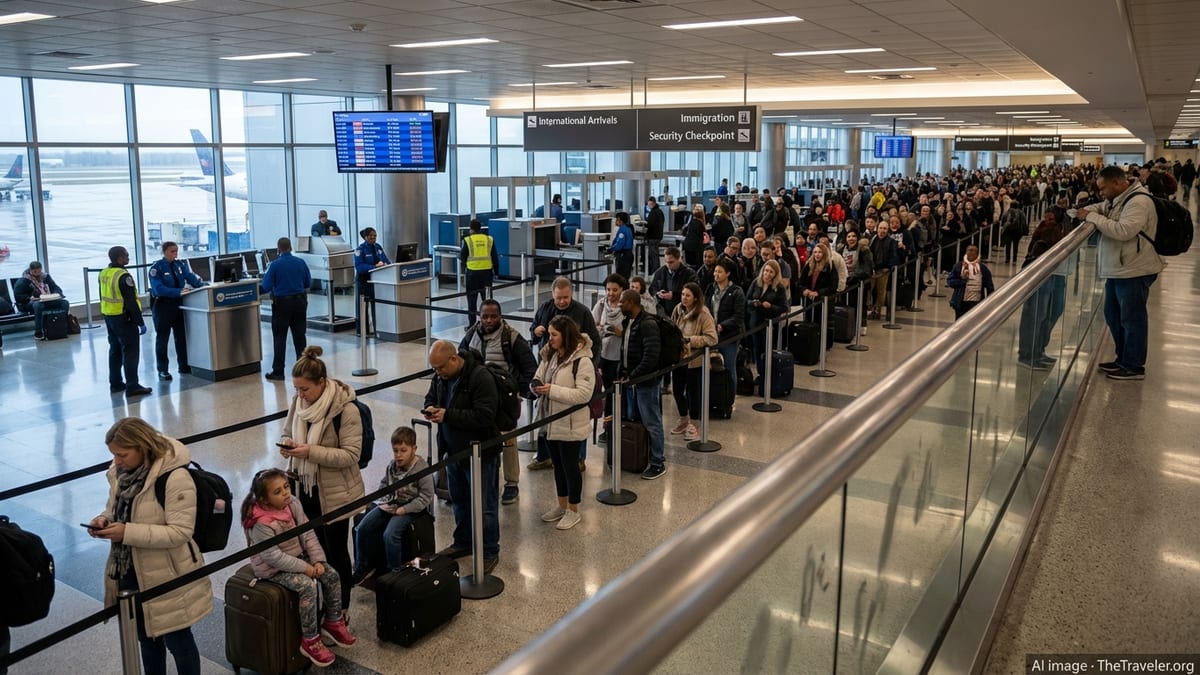
US airlines, hotel groups and travel advisors are intensifying calls for Congress to prevent another federal government shutdown, warning that even a short lapse in funding could disrupt flights, slow security and immigration processing, and undermine confidence among domestic and international travelers.
Get the latest news straight to your inbox!
Industry Groups Warn of Mounting Economic Costs
Publicly available industry analyses indicate that extended government shutdowns have become a significant economic threat to the US travel sector, which relies on the smooth functioning of federal aviation, border and tourism agencies. During the 2025 shutdown, assessments circulated by national travel trade groups estimated losses for the broader travel economy in the range of hundreds of millions of dollars per week as travelers postponed trips, avoided air travel and canceled visits to federally managed attractions.
The US Travel Association, which represents airlines, hotel brands, destination marketing organizations and attractions, has repeatedly argued in public statements that shutdowns amount to a preventable drag on one of the country’s largest export industries. The group’s past estimates suggested that lost visitor spending, reduced business travel and event cancellations quickly ripple out to local economies, affecting small businesses that depend on a steady flow of guests.
Researchers and advocacy organizations note that tourism-dependent regions, including gateway cities and national park communities, are especially vulnerable when federal operations are curtailed. Reduced staffing for security and customs, closures at national parks and uncertainty around processing times for passports and visas all tend to suppress demand and compress revenue in peak and shoulder seasons.
As Congress approaches new funding deadlines in 2026, these earlier shutdowns are being cited by travel groups as a warning of the potential costs if lawmakers allow another lapse in appropriations.
Pressure Builds Around Aviation and Airport Operations
The most immediate disruption risk centers on aviation, where previous shutdowns have strained both safety systems and customer experience. While core air traffic control and Transportation Security Administration screening typically continue as essential services, staffing gaps, suspended training programs and curtailed overtime have translated into longer lines, delays and cancellations when funding lapses have persisted.
In testimony and formal letters submitted to congressional committees, the American Society of Travel Advisors has documented how airport congestion, limited information from federal agencies and the suspension of routine inspections and training can create a cascading series of disruptions. When flights are delayed or canceled, travelers often miss cruise departures, prepaid hotel stays, meetings and tours, generating additional rebooking costs and lost revenue across the travel chain.
Major airline executives have also used open letters and public statements to highlight the vulnerability of aviation systems during funding crises. Industry commentary has emphasized that, even when safety standards are maintained, the combination of staffing shortages and constrained federal resources can leave airlines with little flexibility, forcing schedule reductions at key hubs and regional airports.
Trade associations representing carriers argue that Congress could blunt some of these risks through legislation that insulates critical aviation functions from future shutdowns, including guaranteed pay for air traffic controllers and security officers and more stable funding streams for modernization programs.
Hotels and Destinations Fear Demand Shock
For hotels, resorts and destination marketing organizations, the prospect of another shutdown raises concerns about a sudden loss of confidence among both leisure and business travelers. Past episodes have shown that headlines about extended security lines, reduced flights and partial closures of national parks or museums can prompt travelers to defer nonessential trips, particularly when vacations involve tight connections or long-haul international flights.
Industry testimony submitted to Congress following recent shutdowns points to measurable declines in bookings during periods of heightened uncertainty, with travel advisors reporting that many clients adopted a wait and see posture rather than committing to new itineraries. Meeting planners and corporate travel managers similarly indicated that federal funding disputes complicate planning for conventions and trade shows, especially in cities where government agencies and contractors make up a significant share of event attendees.
Destination leaders in gateway markets have also raised alarms about reputational harm if shutdown-related disruption becomes a recurring feature of the US travel experience. Reports compiled by travel associations suggest that delays in visa and passport processing, combined with reduced staffing at airports and land borders, can discourage international visitors and prompt global travelers to shift trips to competing destinations perceived as more predictable.
Hotel groups and local tourism boards are therefore aligning with airlines in urging Congress to reach timely spending agreements, arguing that stable federal operations are a prerequisite for long term investment in new rooms, attractions and convention facilities.
Travel Advisors on the Front Lines of Disruption
Travel advisors and agencies find themselves at the center of each shutdown cycle, managing client anxiety and navigating fast changing conditions with limited official guidance. Surveys conducted by professional associations after previous funding lapses found that a majority of advisors believed shutdowns produced broad ripple effects across the travel ecosystem, fueling doubts about airline reliability and the overall health of key destinations.
Detailed reports submitted to congressional panels describe how advisors spend far more time managing crises during shutdowns, rebooking flights, refunding unused services and troubleshooting missed connections. With incomplete or delayed information from federal agencies, many rely heavily on their own experience and supplier contacts to interpret conditions at specific airports, cruise terminals and border crossings.
These accounts highlight the cumulative strain on small and mid sized travel businesses, which must devote additional staff hours to service issues while facing lower overall booking volumes. Industry organizations argue that this dynamic threatens long term revenue and may accelerate consolidation in a sector that plays an important advisory role for millions of travelers each year.
As a result, trade groups representing advisors have called on Congress not only to avoid shutdowns but also to formally include frontline agents in discussions about aviation reliability, shutdown contingency plans and traveler protection measures.
Calls Grow for Structural Fixes to Shield Travel Infrastructure
Beyond the immediate push to avert the next funding lapse, many in the travel sector are advocating for structural policy changes that would protect critical infrastructure from future shutdown cycles. Proposals discussed in public forums include creating dedicated, insulated funding streams for air traffic control, customs and border operations, and trusted traveler programs that are financed by user fees.
Industry submissions to congressional hearings emphasize that these systems underpin both national security and economic activity, and that their stability is central to keeping the United States competitive as a global destination. Travel associations have urged lawmakers to treat aviation and entry processing capacity as essential economic infrastructure on par with highways and ports, arguing that repeated disruptions damage both traveler confidence and the country’s international image.
Policy commentators also note that clearer communication protocols between federal agencies and industry stakeholders could reduce confusion during any future disruption. Travel organizations have recommended formal channels for sharing real time operational updates with airlines, advisors, hotels and destination marketing offices so that they can provide accurate information to travelers.
With new fiscal deadlines approaching, the combined message from airlines, hotel groups, advisors and destination organizations is that Congress has ample evidence from recent shutdowns of the consequences for travelers and local economies. Whether lawmakers move toward temporary stopgap measures or longer term funding reforms, the sector is seeking assurances that essential travel systems will be shielded from future political standoffs.