


More news on this day
Travelers at Bradley International Airport in Windsor Locks, Connecticut, faced a difficult start to the week as five flight cancellations and 24 delays disrupted JetBlue, Southwest, and Aer Lingus services, according to newly compiled operational data for July 8, 2026.
Get the latest news straight to your inbox!
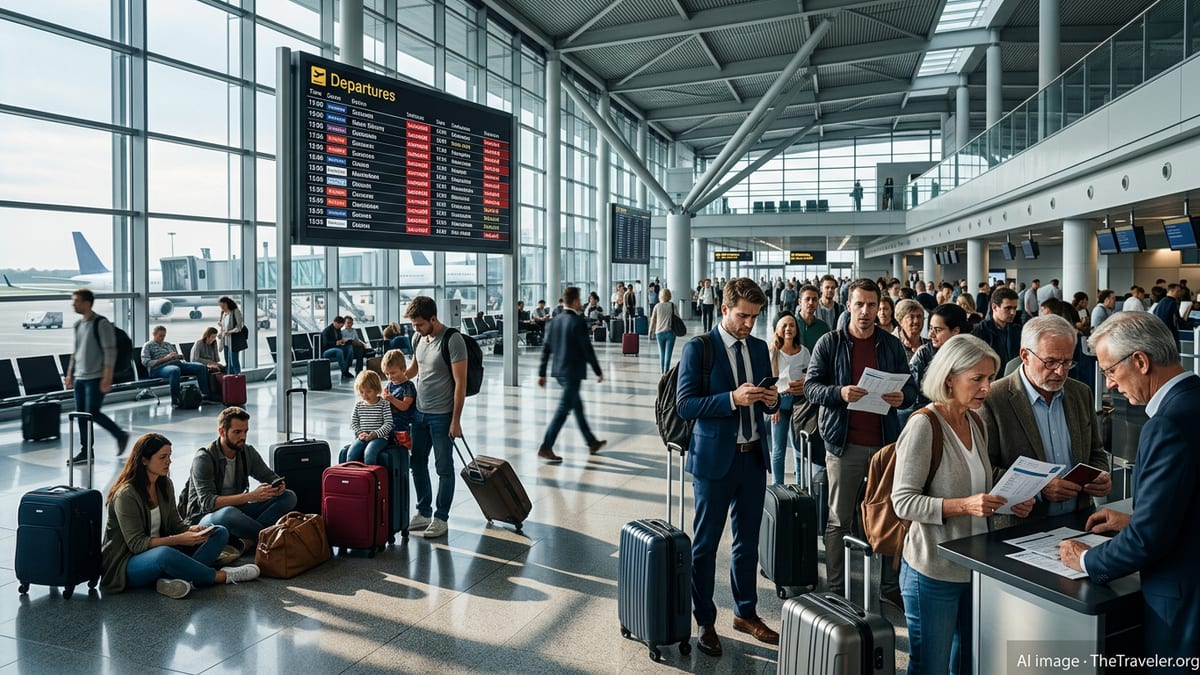
Cluster of Cancellations and Delays at Bradley
Publicly available tracking data and aviation schedule reports indicate that Bradley International Airport experienced an unusual spike in operational disruptions affecting several major carriers on July 8. Across the day’s schedule, five flights were cancelled outright, while 24 others departed or arrived significantly behind schedule, affecting hundreds of passengers during a typically busy summer travel period.
JetBlue, Southwest Airlines, and Aer Lingus were among the most affected operators on key domestic and transatlantic routes. The disruptions impacted services to major hubs and leisure destinations, amplifying the knock-on effects for connecting travelers and heightening congestion at terminal gates and check-in counters.
Industry tracking platforms show that affected flights ranged from early-morning departures to late-evening arrivals, complicating rebooking efforts as aircraft and crews cycled through the day. Passengers reported extended waits in the terminal and revised departure times posted multiple times as crews and equipment were repositioned.
While operational issues are not uncommon in the peak summer season, the concentration of cancellations and delays at a single mid-sized airport over the course of one day underscores the sensitivity of airline networks to weather, staffing levels, and aircraft availability.
JetBlue, Southwest, and Aer Lingus Among Hardest Hit
According to aggregated schedule data for July 8, JetBlue recorded the highest number of individual disruptions at Bradley. The carrier’s operations included multiple delayed departures to East Coast and Florida destinations, along with at least two cancellations that forced passengers to seek alternative itineraries or travel on later flights.
Southwest Airlines, a key operator of domestic point-to-point routes from Bradley, also experienced a series of late departures and arrivals. Tracking services show delays on popular business and leisure routes, contributing to extended turnaround times and busier-than-usual gate areas as passengers waited for updated boarding information.
Aer Lingus, which links Bradley to Ireland and onward European destinations, faced schedule disruptions on its transatlantic services. Delays on long-haul flights can have outsized consequences, as missed connections in Europe can cascade into additional rebookings and overnight stays for travelers, especially at the height of the vacation period.
While each airline publishes its own real-time status updates, comparative performance data suggests that the trio’s combined disruptions accounted for a significant share of Bradley’s irregular operations on July 8. Other carriers at the airport experienced more routine on-time performance by comparison, according to airport and tracking summaries.
Weather, Congested Skies, and Network Strain
Reports from national aviation and meteorological services indicate that changing weather patterns along the U.S. East Coast and across the North Atlantic played a role in operational strain around the time of the disruptions. Even when conditions appear manageable at a specific airport, adverse weather at upstream hubs or along flight routes can trigger ground stops, flow restrictions, and rerouted traffic.
In addition to weather, airline networks remain sensitive to seasonal demand surges. July is typically one of the busiest months of the year for Bradley International, with passenger volumes boosted by family vacations, international travel, and regional business traffic. Recent passenger statistics released by the airport show that enplanements and deplanements have been tracking near or above pre-pandemic levels, leaving less slack in the system when individual flights encounter difficulties.
Operational analysts note that staffing levels for flight crews, maintenance personnel, and ground handling teams can further influence how quickly carriers recover from a disruption. When aircraft arrive late into a station, mandatory crew rest rules, aircraft servicing requirements, and gate availability can extend delays for subsequent legs, even after the initial issue is resolved.
These intertwined factors make days like July 8 especially challenging for both airlines and airports. A relatively small number of cancellations and delays can ripple across schedules, particularly when they affect high-demand routes and long-haul services that are more difficult to re-accommodate.
Impact on Passengers and Practical Advice
For passengers at Bradley International, the day’s disruptions translated into missed connections, altered vacation plans, and extended waits in terminal seating areas. Families traveling with children and tourists beginning long-haul journeys to Europe felt the impact most acutely, as limited spare capacity on peak-season flights reduced the options for same-day rebooking.
Consumer travel reports emphasize the importance of proactive preparation when flying during peak summer periods. Travelers are encouraged to monitor their flight status through airline channels and reputable tracking platforms, arrive at the airport with extra time built into their schedule, and consider earlier departures when connecting to long-haul or international flights.
For those affected by cancellations or significant delays, airline policies and federal regulations may provide eligibility for refunds or rebooking options. Travel insurance and flexible ticket types can also offer additional protection, especially on itineraries involving international legs or multiple carriers.
Bradley’s role as a regional gateway means that irregular operations can have broader implications for New England travelers, who may have fewer alternative airports within easy reach compared with passengers in larger metropolitan areas. As the summer season progresses, aviation observers expect scrutiny to remain on on-time performance and resilience at mid-sized hubs like Bradley.
Bradley’s Growing Traffic and Operational Pressures
Recent airport planning documents and traffic reports show that Bradley International has been steadily rebuilding and expanding its route network. Carriers including JetBlue, Southwest, and Aer Lingus have contributed to rising passenger counts, with new and restored routes drawing both leisure and business travelers from across Connecticut and western Massachusetts.
Increasing traffic brings economic benefits to the region but also adds complexity to daily operations. With more flights vying for runway slots, gates, and ground services, even routine disruptions can lead to congestion in the terminal and on the airfield. Infrastructure upgrades and operational planning are intended to keep pace with this growth, yet events such as the July 8 disruptions reveal the ongoing challenge of balancing capacity and reliability.
Aviation analysts observe that mid-sized airports like Bradley often walk a fine line between growth and resilience. As carriers deploy larger aircraft or increase flight frequencies, the network becomes more efficient in normal conditions but can prove more vulnerable when irregularities occur, particularly if spare aircraft and personnel are limited.
The latest wave of cancellations and delays serves as a reminder that, despite advances in forecasting, scheduling technology, and air traffic management, air travel remains exposed to a combination of weather, operational constraints, and surging demand. For travelers using Bradley International this summer, staying informed and building flexibility into their plans may be the most effective response to a system still under pressure.