


More news on this day
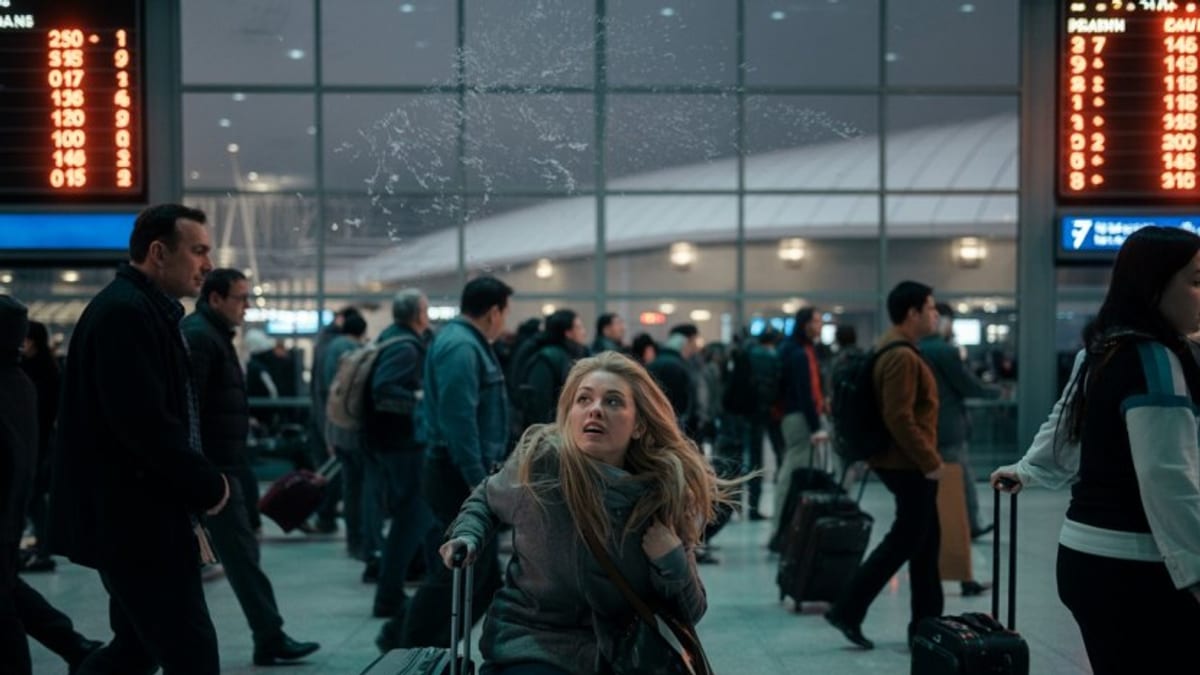
Passengers traveling through Omaha’s Eppley Airfield on Tuesday faced a fresh round of schedule turbulence, as publicly available data showed 14 delayed flights and five cancellations affecting major US airlines on some of the airport’s busiest domestic routes.
Get the latest news straight to your inbox!
Major Carriers Affected Across Core Domestic Markets
The latest operational figures indicate that the disruptions at Eppley Airfield touched nearly every large US carrier serving Omaha, including American Airlines, Delta Air Lines, Southwest Airlines, United Airlines, Alaska Airlines and Frontier Airlines. The delays and cancellations were concentrated on high-demand domestic routes to key hub and leisure markets such as Chicago, Denver, Dallas, Atlanta, Las Vegas, Phoenix, Seattle and Washington.
Available departure and arrival boards for Omaha showed a mix of late departures and scrubbed flights, particularly on services feeding into major hub airports. Routes linking Omaha with Chicago O’Hare, Denver International, Dallas Fort Worth and Hartsfield Jackson Atlanta appeared among the most impacted, creating a ripple effect for passengers with onward connections across the United States.
Industry tracking portals that aggregate airline status updates suggest that the majority of irregular operations took place in the morning and early afternoon, traditionally some of the busiest departure waves at Eppley. Because many of Omaha’s flights are timed to connect into national banks at large hubs, even modest pushbacks at the gate can cascade into missed connections and same day rebooking challenges for travelers.
The 19 total disrupted flights represent a relatively small share of Eppley’s daily schedule, but the concentration on trunk domestic routes serving national hubs amplified the impact. Travelers heading to or from secondary cities often rely on single daily frequencies via these hubs, limiting alternative same day options when flights are delayed or canceled.
Weather and Network Strains Add Pressure to Omaha Operations
Real time aviation dashboards on Tuesday pointed to scattered weather issues and broader network congestion across parts of the Midwest and Great Plains, conditions that can quickly translate into delays at an airport like Omaha which depends heavily on inbound aircraft from larger hubs. When storms or ground stops affect cities such as Chicago, Denver or Dallas, aircraft and crew rotations feeding Eppley are frequently disrupted.
Historical data compiled by flight performance sites shows that a significant portion of delays at US airports are attributed to late arriving aircraft rather than local weather alone. That pattern appears to have been visible in Omaha as well, with several flights departing late after their inbound segments arrived behind schedule or experienced extended ground handling times at prior stations.
Analysts who monitor national cancellation trends note that irregular operations tend to spike during the heart of the summer travel period, when schedules are tight, load factors are high and reserve aircraft and crew are limited. On days when multiple hubs are affected at the same time, smaller spoke airports like Omaha often see outsized disruption compared with their overall traffic volume.
Local aviation observers also point to the concentration of departures in a few key banks at Eppley, especially during the early morning hours. When one or two early flights experience delays, gate availability, staff allocations and ramp movements can quickly become compressed, increasing the risk of knock on effects throughout the rest of the day.
Impact on Passengers and Connection Risk
For passengers, the mix of 14 delays and five cancellations translated into missed meetings, disrupted vacations and hastily revised itineraries. Travelers on flights bound for hub airports such as Chicago O’Hare, Denver, Dallas Fort Worth and Atlanta faced elevated connection risks, particularly for onward services departing within a narrow time window of their scheduled arrivals.
Industry wide analyses of federal on time performance data indicate that once departure delays reach about 30 minutes, the probability of a missed domestic connection increases sharply, especially at complex hubs where banks of flights depart within short timeframes. With several Omaha departures reportedly running behind schedule, some passengers likely arrived too late to reach their originally booked onward flights.
Those holding tickets on the five canceled services would have faced a different set of challenges, including competition for limited seats on remaining departures out of Omaha and the possibility of overnight stays if later flights were fully booked. Because secondary airports generally host fewer backup aircraft and crew than major hubs, rebooking options can be constrained even when disruption numbers are relatively modest.
Advisories regularly published by consumer travel sites recommend that passengers connecting through hubs from airports like Omaha build in longer layovers during peak summer travel and consider early morning departures where feasible. Earlier flights are often less exposed to the accumulated knock on effects of nationwide delays that build throughout the day.
Operational Context at Nebraska’s Busiest Airport
Eppley Airfield is Nebraska’s primary commercial gateway and has seen sustained growth in traffic in recent years, according to publicly available airport and municipal bond disclosures. The airport functions almost entirely as a spoke facility in the networks of the major US carriers, linking Omaha with their respective hubs rather than serving as a large connecting complex itself.
This role shapes how disruptions manifest. With a high proportion of flights operating to a handful of major nodes such as Chicago, Denver, Dallas, Atlanta, Phoenix, Las Vegas and Seattle, operational problems at any one of those hubs can reverberate quickly through Omaha’s daily schedule. The 14 delays and five cancellations recorded on Tuesday illustrate how a relatively small number of interrupted flights can still affect a significant pool of travelers.
Airport documentation and historical scheduling data show that Eppley operates an extended daily window of passenger flights, but with notable peaks in the early morning and late afternoon. These banks are designed to optimize connectivity at destination hubs, yet they also concentrate operational risk into relatively tight periods. When one aircraft or crew pairing falls out of position, impacts can be felt across multiple routes within the same wave.
Local discussions about capacity and infrastructure at Eppley, reflected in public forums and planning documents, have highlighted both the efficiency of the compact terminal layout and the limits it imposes during busy periods. While current facilities are generally regarded as adequate for everyday operations, even minor disruptions can strain gate and ramp capacity when multiple flights experience irregular operations at once.
What Travelers Through Omaha Should Watch Next
With summer travel demand still elevated across the United States, analysts expect that Eppley Airfield could continue to experience periodic disruption in line with national trends. Weather volatility in key hub markets, constrained crew availability and tight aircraft utilization all remain potential triggers for further delays and cancellations affecting Omaha bound and outbound services.
Travel monitoring platforms and aviation data providers advise passengers to track their flight status closely on the day of travel, paying particular attention to the performance of the inbound aircraft operating their route into Omaha. If an inbound segment is significantly delayed or canceled, the likelihood of knock on disruption to the departure from Eppley increases accordingly.
Consumer advocates also suggest that travelers build additional buffer time into itineraries involving connections from Omaha, especially when flying through weather sensitive hubs or during late afternoon and evening departure windows, which tend to see higher disruption rates. Selecting earlier flights where possible, and avoiding the last departure of the day on critical routes, is widely cited as one way to reduce the risk of extended delays or overnight misconnects.
As airlines continue to adjust summer schedules and as operational conditions evolve across the national airspace system, Eppley’s experience on Tuesday offers a concise snapshot of how even a mid sized airport can become a focal point of travel disruption when larger network pressures converge on a single day.