


More news on this day
A woman was struck and killed by a Sounder commuter train near Seattle’s Carkeek Park on Tuesday evening, disrupting rail service along the Puget Sound shoreline and drawing renewed attention to safety around the busy waterfront tracks.
Get the latest news straight to your inbox!
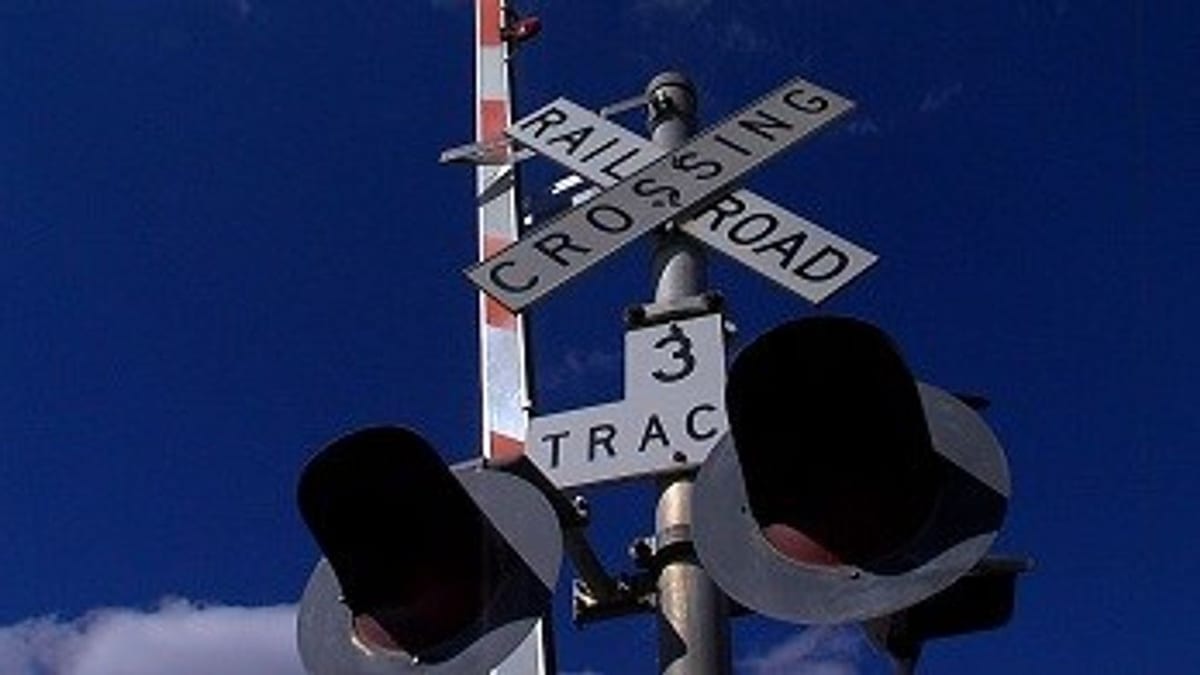
Collision near popular waterfront park
Published coverage indicates the collision occurred late Tuesday afternoon near the pedestrian overpass at Carkeek Park, a forested and beachside destination in northwest Seattle. The Sounder train was traveling along the coastal rail corridor that separates the park’s wooded bluffs from its Puget Sound shoreline.
Reports describe multiple emergency calls shortly after the impact, with responders arriving to find the woman on the tracks north of the park’s pedestrian bridge. Publicly available information indicates she died at the scene.
Trains were halted in the area while responders worked and rail staff assessed the scene. The interruption affected Sounder service that connects communities between Seattle and Everett along the so called N Line, which shares the waterfront corridor with freight and intercity passenger trains.
The identity of the woman and her connection, if any, to the surrounding neighborhoods had not been released in initial reports. Early accounts did not clarify whether she had been on an official trail, near the shoreline, or had accessed the tracks from an informal path.
Sounder N Line and Carkeek Park’s rail corridor
The Sounder N Line, operated by Sound Transit, runs north from Seattle’s King Street Station to Everett, closely following the Puget Sound shoreline. Public transit information shows that trains pass directly beneath the Carkeek Park pedestrian bridge, a well known spot where visitors often watch freight, commuter, and intercity trains move along the water’s edge.
Carkeek Park itself is a long established recreation area, known for its beach, salmon bearing streams, playgrounds, and wooded hiking trails that descend from residential hilltops to the shoreline. The park’s only formal track crossing is the elevated overpass that connects the parking lots and picnic areas to the beach.
Despite the overpass, regular park users note that the tracks can be reached where fencing is lower or interrupted, and where informal footpaths have developed over time. Online discussions among local residents frequently mention the tension between the allure of the open shoreline and the dangers of walking close to active tracks.
In addition to Sounder trains, the corridor carries freight trains and Amtrak services, resulting in frequent train movements through the Carkeek shoreline. The combination of scenic appeal, relatively easy access to the rail line, and frequent trains has made the area a recurring focus of safety conversations.
Service disruptions and ongoing inquiries
According to regional news coverage, rail traffic in the area was temporarily halted while personnel documented the scene and cleared the right of way. Some northbound and southbound Sounder and freight movements experienced delays as operations adjusted around the closure.
Publicly available reports state that the circumstances leading up to the collision remained under review as of Tuesday night. It had not yet been clarified how the woman came to be on or near the tracks when the train approached, nor whether any contributing factors such as impaired visibility, distraction, or intentional acts might have been involved.
Rail incidents of this kind typically prompt a combination of internal reviews by the rail operator and formal investigations by local and regional agencies. Findings often shape later decisions on fencing improvements, warning signage, patrol patterns, or public outreach in areas where people and trains come into close proximity.
At Carkeek Park, any changes arising from such inquiries would need to work within a landscape that balances habitat restoration, public access to the waterfront, and the operational needs of a busy rail corridor running directly between forested hillsides and the beach.
History of shoreline rail incidents in the region
The rail corridor between Seattle and Everett has seen multiple incidents in recent years involving pedestrians and trains. Past news coverage and community discussions have highlighted a pattern of collisions along scenic shoreline segments where informal access to the tracks exists.
Near Carkeek Park specifically, publicly available records describe previous cases in which individuals on or near the tracks were struck by trains. In some of those earlier incidents, subsequent reporting indicated that victims had been standing close to the rails or using the corridor as an informal walking route.
Across the wider Puget Sound region, Sounder trains and other rail services have periodically been involved in collisions at grade crossings, along open track segments, and in areas adjacent to encampments or informal paths. These events have contributed to ongoing debates over fencing, signage, mental health resources, and enforcement in rail corridors that pass through dense urban and suburban environments.
The latest fatality near Carkeek Park adds to that history, reinforcing concerns among residents and transit riders about the risks associated with mixing recreational waterfront spaces and high speed rail activity.
Safety reminders for visitors and rail users
In the wake of the incident, publicly available safety guidance for rail corridors underscores that tracks, bridges, and tunnels are private property and are not designated pedestrian routes. Safety campaigns in the region stress that trains can be both quieter and faster than expected, making it difficult for people on or near the tracks to accurately judge distance and speed.
For visitors to Carkeek Park, the designated way to reach the beach is via the elevated overpass that spans the tracks. Parks and recreation materials emphasize staying on marked trails, avoiding shortcuts that lead toward the rail line, and supervising children closely near the shoreline and bridge approaches.
Transit agencies also regularly remind passengers to remain behind platform safety lines, obey crossing signals at grade crossings elsewhere along the corridor, and avoid distraction from headphones or mobile devices when near active tracks. While the circumstances of Tuesday’s collision remain under review, the event highlights the broader importance of those precautions for residents and visitors using Seattle’s waterfront parks and transit systems.